The Story
Why it exists.
The beginning
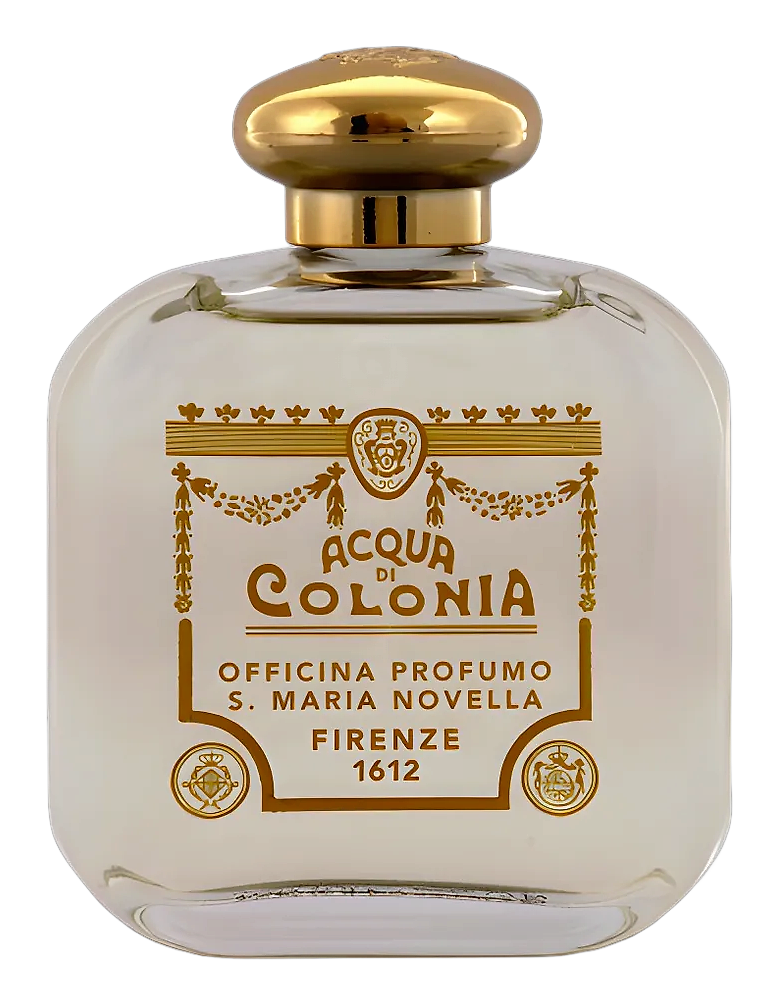
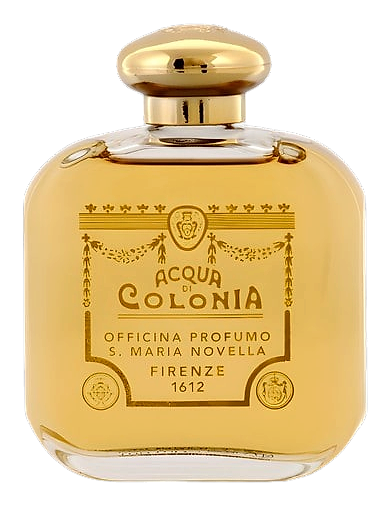
Acqua di Cuba landed in 1998, a period when Santa Maria Novella was channeling centuries of apothecary knowledge into fragrances that felt less like products and more like decisions. The name suggests Cuba, warm air, tobacco fields, something foreign and inviting, but the spirit is unmistakably Florentine. Citrus oils from Amalfi groves, bitter orange peel, bergamot stripped of its sweetness. This wasn't a love letter to the Caribbean. It was an Italian's idea of heat: controlled, aromatic, intentional. The perfumer understood that a 1998 audience wanted something with actual weight. So they built it. The result is a fragrance that doesn't announce itself. It waits for you to come close enough to notice.
What makes Acqua di Cuba structurally unusual is how the top notes refuse to disappear. Bergamot and lavender open the composition, but here the citrus persists alongside the honey, adding a bitter-sweet counterpoint that takes real skill to execute. Clary sage, often used as a supporting note, does real work here, its aromatic, slightly medicinal quality bridges the gap between the bright opening and the smoky heart.
The evolution
The opening arrives clean and sharp, bergamot, bitter orange, a squeeze of Amalfi lemon. The lavender is there from the first breath, lending an aromatic greenness that keeps the citrus from feeling like a product ad. Within fifteen minutes, the honey introduces itself slowly, joining the citrus rather than replacing it. The tobacco doesn't announce itself so much as settle in, a warm, smoky weight that takes over the top notes' brightness and folds everything toward the center. By the second hour, clary sage and warm spices create an herbal heart that feels almost medicinal in the best way. Then leather. Not aggressive, just present, grounding. Vanilla wraps around it, adding a sweetness that keeps the leather from reading harsh. The drydown is what people come back for: woody, warm, intimate, and still recognizable hours later. On fabric, it lingers into the next day.
Cultural impact
Acqua di Cuba arrived in 1998 as an aromatic spicy composition with a distinct character. What set it apart was its refusal to soften, the bitter citrus, the persistent tobacco, the leather that arrived quietly and never left. For those who discovered it, it became a quiet obsession: the discontinued bottle you'd hunt, the fragrance you'd guard. It never achieved mass recognition, but among those who know it, it occupies a specific, treasured space, a reminder that Italian perfumery has always known how to build weight into something that stays.