The Story
Why it exists.
The beginning
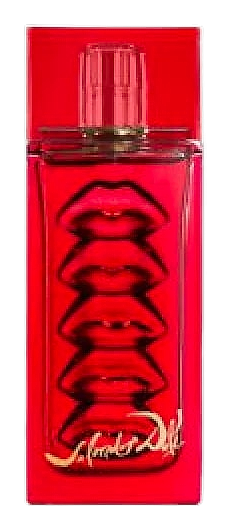
Salvador Dalí spent a lifetime translating dreams into images, melting clocks, burning giraffes, landscapes that refused to behave like landscapes. The brand carries that same surrealist theater into scent. Ruby Lips, launched in 2004 under the noses of Daphné Bugey and Jean-Pierre Béthouart, takes that visual logic and applies it to the body. Red fruit, yuzu, rose, water lily, orchid, patchouli, honey, sandalwood, a pyramid that moves from sharp tartness to soft bloom to something warm and grounded. The name alone suggests something loaded: ruby red, lips that part, a Dalí trademark provocation wearing the guise of a pretty floral-fruity EDT.
What makes Ruby Lips unusual is the tension between its notes and its concentration. Fruity-floral is familiar territory for 2004, but the pairing of lemon blossom honey with patchouli in the base gives it a different gravity, sweetness grounded by earthiness rather than the more expected vanilla or musk anchoring. The yuzu in the opening is the other tell. Not the citrus most Western noses expect, but something sharper, slightly astringent, almost medicinal in its cleanliness. It sets up the rose that follows without letting it arrive too sweet.
The evolution
The red currant hits first, bright, almost acidic, with the yuzu lending a clean sharpness that cuts through the sweetness before it can settle. For the first twenty minutes, this is a tart, almost effervescent opening that announces itself without projecting far. Then the hand-off begins. The yuzu fades, the red currant softens, and the rose emerges from behind the fruit like someone stepping into a room they weren't sure they were invited to. Water lily adds a cool, slightly aquatic undertone that keeps the heart from going fully sweet. The orchid is quieter still, a whisper of warmth underneath. By the second hour, the base takes over. Patchouli arrives first, earthy and dry, pulling the sweetness back toward something more grounded. The honey lingers, but it's no longer the dominant voice, it's sweetness that's been negotiated, made to answer to the patchouli. Sandalwood settles last, close to the skin, intimate rather than announced. On fabric, the patchouli-sandalwood drydown can hold for hours.
Cultural impact
Ruby Lips arrived in 2004, a year when fruity-floral EDT compositions were plentiful and relatively safe. Against that landscape, the Dalí line's surrealist positioning gave Ruby Lips a different kind of credibility, it wasn't just another pretty floral, it was a pretty floral from a house that refused to take the ordinary seriously. The honey-patchouli base set it apart from the vanilla-floral mainstream of the era, giving it a slightly earthier drydown that earned it a loyal following among wearers who wanted the fruit without the expected sweetness payoff. It's the kind of fragrance that rewards someone willing to look past the pretty name and the Dalí branding to find something with actual tension in its structure.