Lemon Blossom Honey
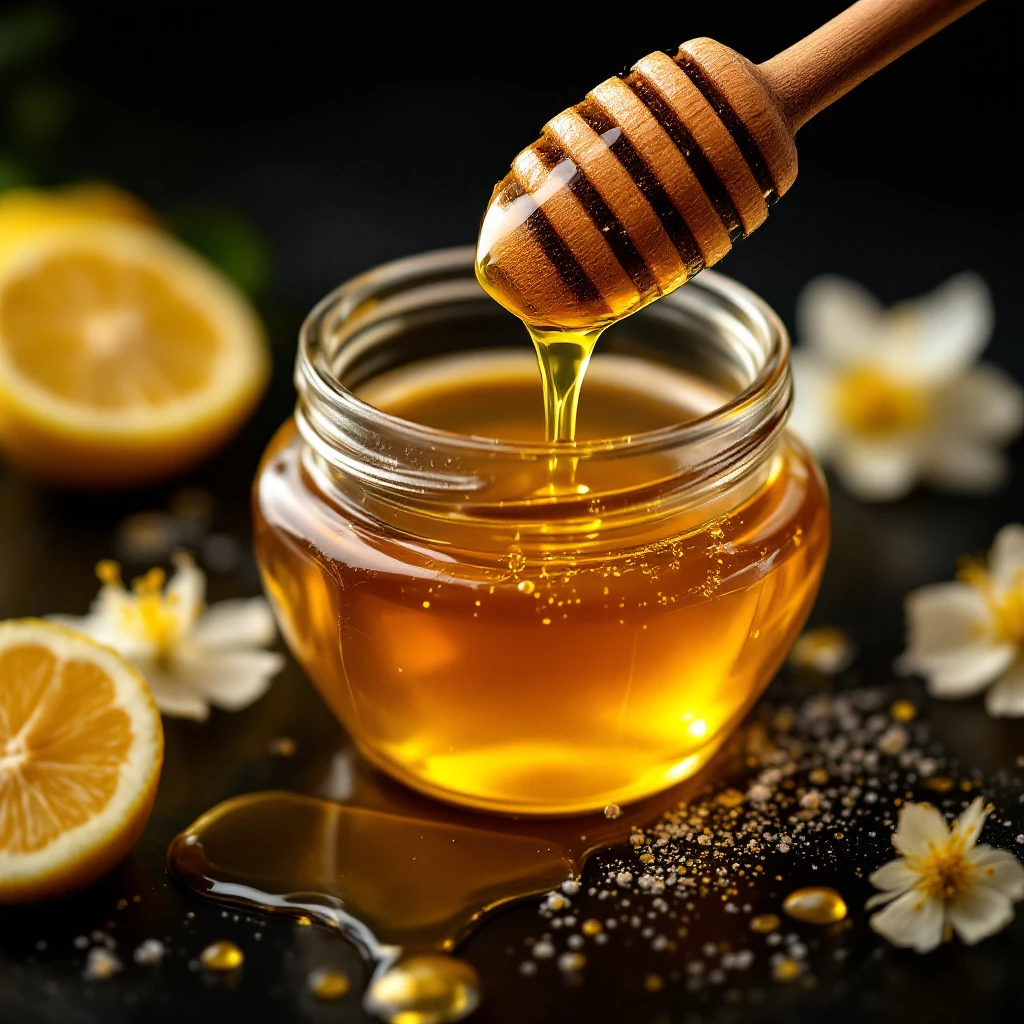
A luminous marriage of sun-drenched citrus florals and golden nectar sweetness. Lemon Blossom Honey captures the ephemeral bloom of lemon trees distilled into a warm, honeyed embrace that elevates fragrance compositions with radiant, pastoral charm.
Character
How it smells
Where citrus florals meet liquid gold
Bees visiting one lemon blossom carry enough nectar to require visits from 20 additional bees to complete the collection.




Origin
China
Lemon trees originated in the region encompassing Assam, India and Yunnan, China, where humans first cultivated them around 700 to 400 BCE. Ancient civilizations prized both the fruit and the aromatic blossoms, using early enfleurage techniques to capture floral scents for religious ceremonies and personal adornment.
The ancient Greeks and Romans burned lemon blossoms at temples, valuing their purifying associations. When citrus cultivation spread to the Mediterranean during the Middle Ages, perfumers began incorporating these scents into more sophisticated preparations.
The 18th century marked a turning point when neroli distilled from bitter orange blossoms established the template for citrus-floral fragrances in the original Eau de Cologne. Today, Lemon Blossom Honey represents a modern interpretation of this ancient fascination, translating the pastoral charm of Mediterranean citrus groves into a format that perfumers can employ to create bright, honeyed floral compositions with unmistakable Mediterranean character.
Wears it best
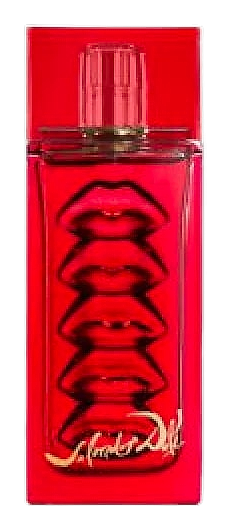
Fragrances featuring Lemon Blossom Honey
Brands
Brands known for Lemon Blossom Honey
Good to know
Questions, answered
The essentials on Lemon Blossom Honey in perfumery: how it smells, where it comes from, and how it behaves on skin.
What does Lemon Blossom Honey smell like?
Lemon Blossom Honey combines bright citrus-floral top notes reminiscent of fresh lemon blossoms with warm, sweet honey undertones. The scent is fresh yet syrupy, balancing green-citrus brightness with golden nectar warmth. It smells like a sunlit citrus grove at peak bloom.
Is Lemon Blossom Honey a natural or synthetic ingredient?
It is a natural ingredient derived from bee-collected nectar of lemon blossoms, though perfumers may create accords blending natural and synthetic materials to achieve consistency. Authentic Lemon Blossom Honey absolute comes from actual citrus flower nectar processed by bees.
What makes Lemon Blossom Honey different from regular honey in fragrance?
Regular honey in perfumery comes from diverse floral sources and carries darker, more robust sweetness. Lemon Blossom Honey specifically carries the characteristic light, citrusy-floral signature of lemon blossoms, setting it apart from denser, more ambery honey varieties.
Which countries produce the finest Lemon Blossom Honey?
China, the United States (California), Argentina, Spain, and Italy produce significant quantities. California and Mediterranean regions yield particularly aromatic honey due to optimal growing conditions and extended citrus flowering seasons.
How is Lemon Blossom Honey harvested for perfumery?
Beekeepers position hives near lemon orchards during the 2-3 week bloom period in spring. Workers extract the honeycomb frames after the bees cap the cells, then process the honey through gentle warming to maintain aromatic compounds before solvent extraction for perfumery use.
Why do perfumers choose Lemon Blossom Honey over alternatives?
The ingredient provides a rare combination of citrus freshness and honeyed warmth in a single material. Perfumers use it to add natural depth to citrus-floral compositions, particularly in interpreting Mediterranean and garden-fresh fragrance themes.
What extraction method captures Lemon Blossom Honey's aroma best?
Solvent extraction of lemon blossom absolute, combined with traditional centrifugal extraction of the honey itself, captures the broadest aromatic spectrum. Cold pressing preserves delicate top notes while gentle heat extraction develops deeper honey characters.
How long has Lemon Blossom Honey been used in perfumery?
Beekeepers have harvested citrus blossom honey for over 2,000 years, but perfumers began specifically targeting lemon blossom nectar around the 18th century when citrus cultivation expanded in Mediterranean Europe and demand for citrus-floral ingredients grew.