
The Story
Why it exists.
The beginning
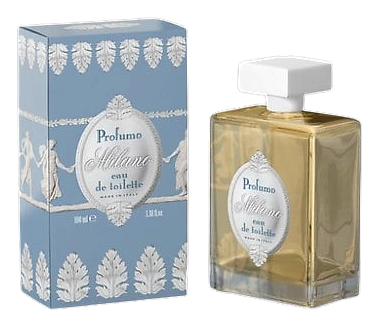
Milano takes its name from the city and presents a fragrance built around a documented combination of fruit, floral, sweet, green, aromatic, woody, musky, and balsamic materials. Its official description points to sugary fruit, specifically sweet lemon and plum, alongside woody notes. Bergamot and sweet lime add citrus brightness, Mirabelle plum brings a rounded fruit character, and powdered sugar reinforces the composition's sweet profile. Flowers and woods extend the structure, giving the listed ingredients a layered presentation from citrus and fruit through floral and aromatic notes to a woody base. No perfumer or launch year is documented, so the clearest origin lies in the scent itself: a city named in the title and expressed through fruit, flowers, and woods.
The interesting part is the balance between sweetness and structure. Powdered sugar, plum, and sweet lime form the sweet side of the composition, while rose, peach blossom, cyclamen, and davana introduce floral, green, and aromatic notes. The base adds a different rhythm: ambrette brings musky softness, while cedarwood, sandalwood, woody notes, moss, and patchouli provide a deeper foundation beneath the fruit. Together, these listed materials create a progression from citrus and ripe fruit into florals and greenery, then toward musk and woods.
The evolution
At first, the fragrance presents a bright combination of citrus and fruit. Bergamot and sweet lime lead the opening, Mirabelle plum adds a rounded fruit quality, and powdered sugar contributes a clear sweetness. The heart then brings a floral shift through cyclamen, davana, peach blossom, and rose. Cyclamen and davana are listed as aromatic notes, while the blossoms extend the composition's floral character. This section moves the scent away from the straightforward fruitiness of the opening and toward a mixed floral and aromatic middle. The drydown changes the structure again. Ambrette contributes a musky element, cedarwood and sandalwood bring smooth woody notes, and moss and patchouli add further depth. As the fragrance progresses, the listed materials move from bright citrus and fruit toward florals, woods, musk, moss, and patchouli, creating a quieter final expression.
Cultural impact
Milano connects the fragrance to its city through its name, while its documented accord list and ingredient presentation define the scent experience itself. The combination of sweet lemon, plum, powdered sugar, citrus, florals, musky notes, and woods gives the composition a layered structure that invites exploration from its bright fruit opening to its more substantial base. Source-grounded cultural reception for Milano itself remains limited, so the fragrance is best understood through its title, official description, and listed note families rather than through broader claims about reception or market position.