The Story
Why it exists.
The beginning
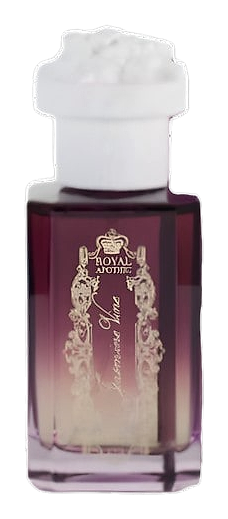
Royal Apothic launched Jasmine Vine in 2012. The fragrance takes its name literally. Where a single jasmine flower gives you sweetness, a vine gives you a living, climbing thing, buds still closed, leaves still green, roots still pulling from the soil. The composition reflects that duality. Star jasmine opens the way a vine greets you at an arbor, bright and inviting, while sambac anchors the base like the woody stem holding everything up. The choice to use both jasmine varieties alongside mint, lemon, and hyacinth builds a scent that reads as a place rather than a single flower. The opening is a green rush, citrus and cool herb cutting through the density of the indolic florals waiting beneath.
What's interesting here is the structural choice. Jasmine Vine layers multiple jasmine types: star jasmine, sambac, and Jasminum polyanthum in the heart, the last of which adds a fruity sweetness with a candy-like, almost jammy edge. The white pepper and peach in the middle create a bridge between the sharp opening and the soft base, giving the composition its own distinct rhythm. Labdanum in the drydown adds a resinous, almost amber-like warmth that keeps the florals from evaporating too quickly. The interplay between these materials is what gives the scent its complexity.
The evolution
The first ten minutes are all lift. Lemon and mint hit first, sharp and cooling, almost like crushed leaves on a hot day. Star jasmine arrives within minutes, but it doesn't arrive alone. There's hyacinth threading through, green and slightly watery, keeping the sweetness in check. The heart phase (roughly thirty minutes to two hours) is where the composition finds its center. Peach and white pepper create a warm spiced tension against the jasmine. The sambac deepens here, the indolic edges coming forward with all their creamy, slightly dirty richness, the kind of scent that feels like it's been pulled straight from the plant. The white pepper does something unexpected, it keeps the florals from going flat, adding a subtle heat that reads more as texture than spice. By hour three, the cedarwood and labdanum have taken over.
Cultural impact
Jasmine Vine arrived in 2012, a year that saw jasmine-forward compositions gaining traction among niche perfumers interested in naturalistic, ingredient-driven scents. Its dual-jasmine construction, layering Jasminum polyanthum with sambac and star jasmine, reflected a growing interest in transparent compositions that prioritized the character of raw botanical materials. The fragrance became part of conversations around garden florals, a category that emphasizes the green, growing, living quality of flowers over their more abstract or stylized interpretations.