The Story
Why it exists.
The beginning
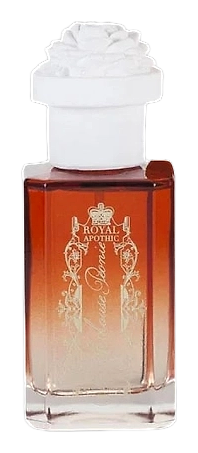
Royal Apothic, founded in London in 1990, draws from apothecary traditions to create fragrances that feel botanical and considered rather than commercial. Hothouse Peonie, launched in 2020, captures the atmosphere of a greenhouse: humid, warm, filtered by glass. The perfumer starts with lilac and lily as the entry point, two florals chosen for their green, dewy qualities rather than their sweetness. The goal is to evoke the moment you step inside a hothouse, where the air feels different from the garden outside.
Royal Apothic selects lilac and lily as the opening notes because they share a green, garden-picked quality that sets the tone for everything that follows. Cyclamen, rose and violet form the heart as a deliberate trio: each floral contributes something distinct, from cyclamen's mineral edge to violets soft roundness. The sandalwood drydown is a deliberate choice to anchor the composition in warmth rather than letting it drift into abstraction. This is a fragrance designed for someone who appreciates structured florals with a clear progression from fresh to warm.
The evolution
The fragrance opens with lilac and lily, their green-floral character hitting immediately. Lilac carries a faint bitterness alongside its sweetness, while lily adds a clean, almost aquatic freshness. Within the first hour, cyclamen enters the heart, bringing a slightly metallic, mineral quality that keeps the florals from feeling too soft. Rose and violet follow, adding depth and roundness. Rose contributes classic powdery sweetness, violet lends a gentle, velvety softness. As the drydown approaches, sandalwood emerges as the anchor. Its warm, woody dryness grounds the composition, preventing any airy or fleeting quality. The sandalwood does not dominate but instead provides a quiet finish that lingers on skin for hours after the florals have faded.
Cultural impact
Since its 2020 debut, Hothouse Peonie has resonated with a generation seeking garden‑inspired freshness in urban settings. Its herbal‑lotus opening captures the resurgence of nature‑centric aesthetics in fashion and interior design, while the watery heart aligns with the growing popularity of aquatic motifs in contemporary art. The fragrance’s balanced projection has made it a staple in social media discussions about sustainable luxury, influencing boutique retailers to highlight botanical storytelling in their curation. By bridging classic apothecary heritage with modern minimalism, it subtly shifts consumer expectations toward transparent, nature‑forward perfumery, reinforcing a cultural movement that values authenticity over extravagance.