
The Story
Why it exists.
The beginning
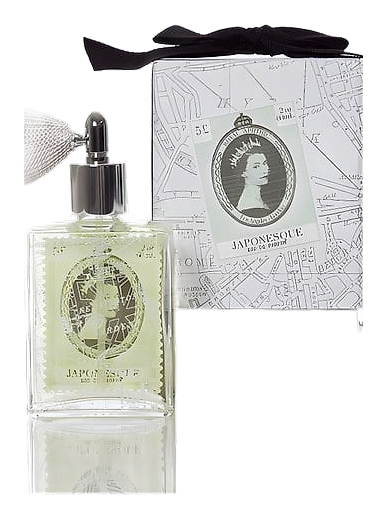
Japonesque was conceived as an homage to the Japanese tea ceremony, the ritual of chanoyu, where every gesture carries weight and silence is part of the experience. The 2010 release translated that stillness into scent: the bright opening of citrus, the meditative depth of green tea, the quiet beauty of cherry blossom drifting through a garden in bloom. Rather than mimicking incense or heavy florals, the composition captures the clean focus of the ceremony itself, a wearable moment of calm in an ordinary day.
The structure is unusual for a floral fragrance. Green tea sits at the center rather than appearing as a supporting note, it anchors the composition and shapes how everything else unfolds. Cherry blossom adds its brief, powdery softness without overwhelming. Jasmine and rose appear in the heart, but they arrive quietly, as if by permission rather than force. The result is a fragrance that resists the typical floral arc of bright opening, heavy middle, and fading base. Instead, it holds its shape across wearers, staying close to the skin and maintaining its serene character.
The evolution
The first minutes belong to citrus, orange and lemon lifting the top notes with brisk clarity. Cherry blossom arrives softly, a fleeting sweetness that dissolves before you can pin it down. By the half-hour, green tea takes over. Not the bitter matcha of a cold drink, but the warm, slightly astringent exhale of a fresh pot, steam rising, the cup cooling in your hands. Jasmine and rose bloom in the heart, adding quiet floral depth without sweetness. They don't compete with the tea; they sit beneath it, as if the garden floor of the tea room had bloomed overnight. The drydown is subtle. Oak moss brings a cool, green stillness. Incense adds the faintest smoky warmth, temple air, not perfume counter. The fragrance doesn't project far. It stays close, intimate, like a secret you've decided to keep.
Cultural impact
Japonesque occupies a specific niche: floral fragrance that refuses to be decorative. The green tea emphasis gives it a meditative quality unusual in the genre, closer to the contemplative aesthetics of Japanese chanoyu than to conventional Western perfumery. It speaks to wearers who find heavy florals overpowering and light citruses too thin. The 2010 launch arrived during a broader cultural moment when Japanese minimalism and mindfulness practices were gaining influence in Western design and lifestyle circles.