
The Story
Why it exists.
The beginning
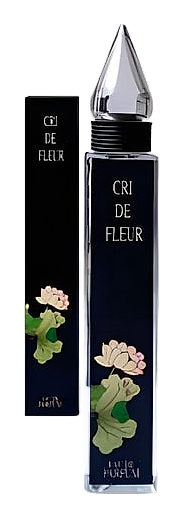
Cri de Fleur was conceived as a floral expression inspired by Tuscany in bloom. The name carries a literary, romantic register that invites the fragrance to be read as a line of verse, with brightness at the front and softness unfolding behind it. The composition is built around bergamot, jasmine, iris, and lily of the valley, giving the scent a floral architecture with both lift and depth. The release year and perfumer remain undocumented, so its origin rests on the stated inspiration and composition rather than a catalog of milestones.
The interesting part lies in the contrast inside the floral idea. Bergamot gives the composition a clean, sparkling edge, while iris brings a cool, powdery texture. Jasmine adds a living floral warmth, and lily of the valley contributes a pale green freshness. Together, they make a white-floral bouquet that never feels airless. The earthy, woody, aromatic facets of the accord ground that brightness and keep the result from becoming simply sweet, so the florals read as layered rather than flat.
The evolution
The composition moves from brightness into a cooler floral register, and the sense of transition feels less like a fade than a lowering of the volume. Citrus gives way to suede-smooth petals, cool powder, and a restrained green accord, each stage arriving with a different texture rather than repeating the same impression. Iris appears to have the strongest staying power, leaving a composed, earthy-woody trace as the white florals recede. Over time the scent becomes a quiet aura rather than a declaration, leaving an airy floral memory close to skin that stays gently present without pressing forward.
Cultural impact
Cri de Fleur offers a nature-led floral expression within the house's broader aesthetic, one that treats perfume as a scene rather than a statement of status. The inspiration behind it and its French name suit a register that values texture, atmosphere, and suggestion over overt decoration. For wearers drawn to literary names and unconventional niche compositions, it presents a refined alternative to conventional romance, expressed through cool iris, airy florals, and a measured citrus opening rather than an overtly sweet floral finish that closes the story too neatly.