The Story
Why it exists.
The beginning
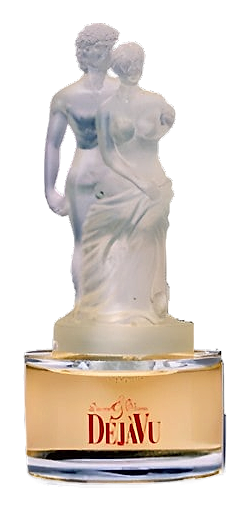
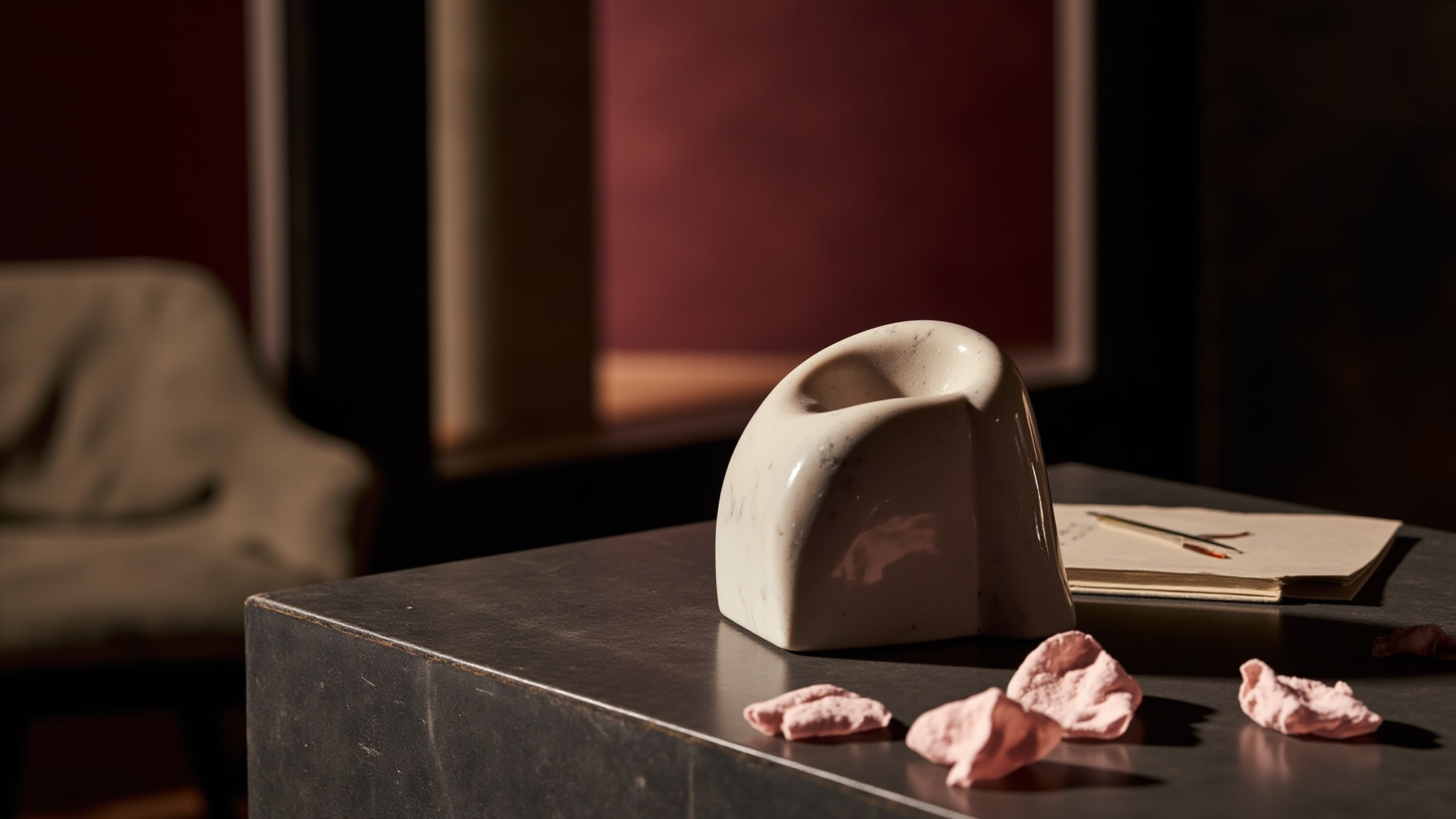
Déjà Vu David & Venus frames two of sculpture's most famous figures as a couple, pairing Michelangelo's David with Venus in one unisex composition. The idea turns familiar art-house figures into a shared fragrance scene, classical in reference but not strictly bound to one gender or convention. Paulette Iaropolis created the fragrance, translating that pairing through a floral-powdery structure with sweetness. There's no documented launch year to anchor the idea in time. The name brings art and fragrance together, while the floral, powdery, and sweet accords give the composition its scented identity.
The interesting part isn't the art reference by itself. It's how the floral, powdery, and sweet accords shape the fragrance. Floral accord supplies its polished, romantic center, while powder gives it distance and composure. Sweetness appears as part of the overall texture rather than as a dominant dessert impression. That combination gives the composition a classical reference with an unexpected sensibility, making the name and the accord structure equally important parts of its identity.
The evolution
The source material describes Déjà Vu David & Venus through its floral, powdery, and sweet accords, with generally above-average projection and longevity. Those qualities give the fragrance a clear scented profile without requiring a specific timeline for its opening, development, or drydown. The floral accord provides the main character, powder gives the composition a composed and tactile quality, and sweetness adds warmth without becoming the sole focus. Together, the accords create a fragrance that feels connected to its art reference while remaining direct about its notes.
Cultural impact
Déjà Vu David & Venus connects classical sculpture with a unisex fragrance composition through its name. The title joins Michelangelo's David and Venus, while the fragrance itself is described as floral, powdery, and sweet, with generally above-average projection and longevity. That pairing places the scent at the intersection of an established art reference and an accessible accord structure. The name invites attention, while the combination of floral softness, powder, and sweetness supplies the fragrance's own character.
The House
RothensteinRothenstein occupies a distinctive position in the niche fragrance landscape, known for a collection of bold, conceptual scents that resist easy categorization. The brand has developed a portfolio centered on evocative titles and compositions that suggest narrative depth, ranging from the intriguing Deja Vu series to Pirates of Love. Rather than adhering to conventional fragrance marketing conventions, Rothenstein presents its creations as olfactory statements with artistic ambition, appealing to collectors and fragrance enthusiasts who seek unconventional expressions in their scent wardrobe. The brand operates with a relatively focused catalog, with each fragrance carrying its own thematic identity while contributing to a broader creative vision that prizes distinctiveness over broad market appeal.
The Creator
Paulette IaropolisThe available sources do not establish a documented list of materials, techniques, or signature effects associated with Paulette Iaropolis. It would therefore be inappropriate to describe her as a floral, woody, amber, or aromatic perfumer, or to imply a preference for natural…