
The Story
Why it exists.
The beginning
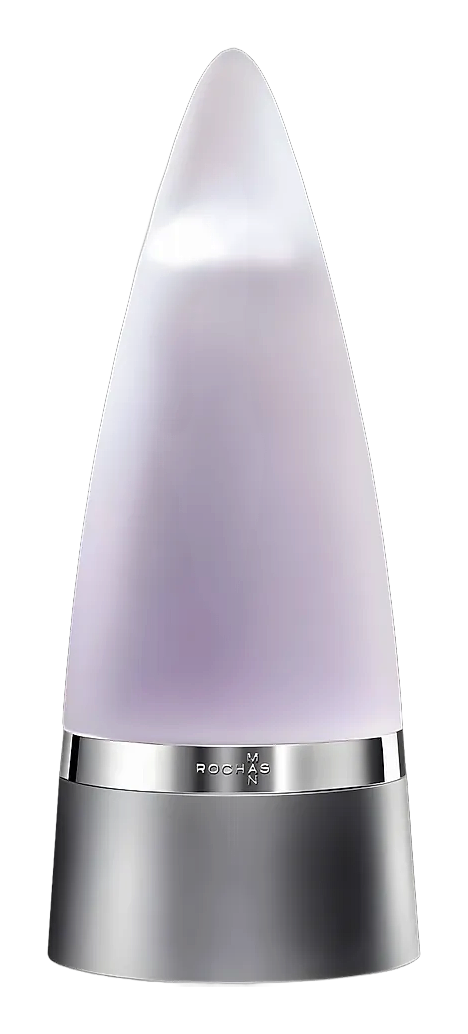
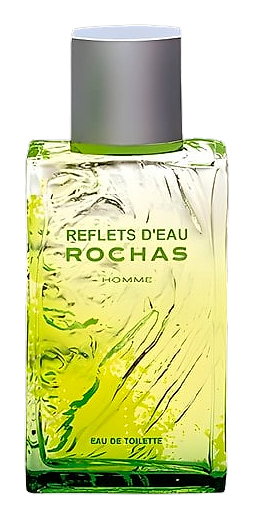
Reflets d'Eau arrived in 2006 as part of the Rochas house's ongoing conversation with its own legacy. The original Eau de Rochas had achieved something rare in perfumery, mythical status, earned through decades of wearers who kept returning to its bright, citrus-chypre structure. Reflets d'Eau took that conversation in a different direction: lighter, aquatic, closer to the skin. Where its predecessor announced itself confidently, this interpretation prefers to be discovered.
The melon and water lily pairing at the heart is what makes Reflets d'Eau interesting. Both notes carry water in their character, one juicy and cool, the other almost dewy, and together they create an effect that feels genuinely transparent rather than merely fresh. Violet, often a quiet player, surfaces here with a powdery softness that keeps the heart from feeling too fruity. The contrast between the bright citrus top and that translucent floral middle defines the fragrance's personality.
The evolution
The opening hits quickly: bergamot and tangerine burst across the skin for the first ten to fifteen minutes, citrus oils bright and sharp. Cardamom and nutmeg arrive quietly underneath, adding warmth without spice. By the time the citrus begins to recede, around twenty minutes in, the melon and water lily take over, and the fragrance shifts into something cooler and more diffuse. Violet appears in the heart as the composition softens, giving the mid-section its powdery edge. The drydown is where sandalwood and amber settle in, with the musk adding a clean, close warmth that lingers for 4 to 6 hours on most skin types. By the end, it's intimate and skin-adjacent, the kind of drydown that someone standing very near you will notice, not someone across the table.
Cultural impact
Reflets d'Eau de Rochas Pour Homme arrived in 2006, part of a wave of aquatic fragrances that defined masculine perfumery in the mid-2000s. Rochas, a house with deep roots in French fashion and fragrance tradition, used this release to pivot from its classic chypre identity toward fresher, more contemporary territory. The timing coincided with a broader cultural moment when masculine grooming and scent became increasingly mainstream, and fresh, inoffensive fragrances gained favor in professional environments. The fragrance reflects shifting attitudes toward men's scent, less about projecting power, more about subtle self-presentation.