The Story
Why it exists.
The beginning
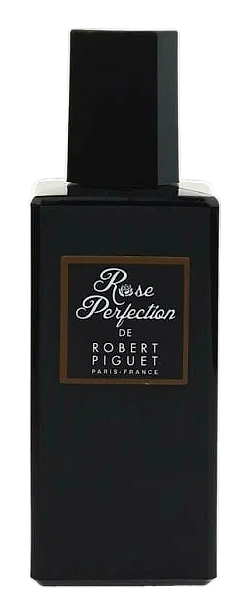
When Robert Piguet wanted a rose for 2013, the house did not ask for a bouquet. It asked for a conviction. The perfumer was handed a brief built around restraint, and the result was Rose Perfection, a composition that refuses every floral distraction and commits fully to a single flower. Bulgarian rose, one of perfumery's most prized ingredients, anchors the formula. There is no garden around it. No supporting cast of jasmine, no green stems, no spicy counterpoint. Just rose, rendered with the kind of precision that treats fragrance as a piece of construction, cut clean, assembled with intention. The scent wears like a whisper that knows exactly what it wants to say, a rose stripped back to its most essential voice, confident enough to stand alone.
What makes this rose different is what was left out. Rose Perfection skips the usual supporting notes entirely. The top and heart both feature rose, Bulgarian rose essence in the opening, rose absolute in the heart, two extractions of the same flower at different intensities. That doubling is the trick. It gives the composition depth without dilution, a creamy richness that holds its shape through the middle hours without leaning sugary. The base notes, Ambroxan and musk, exist only to give the rose something to settle into, a skin-like surface where the flower can rest rather than float away.
The evolution
The first hour is where Rose Perfection announces its intention. Bulgarian rose opens dewy, with a cool, almost watery brightness, the kind of petal-fresh scent that feels like a bouquet just unwrapped. Within the opening minutes the rose absolute arrives and deepens everything. The scent shifts from light to honeyed, gaining a creamy density that stays remarkably linear through the middle hours. There is no dramatic transition, no surprising guest note. Just rose, getting richer as the minutes pass. Around mid-afternoon the musk begins to surface, and the Ambroxan lends a subtle warmth beneath, a clean wood-amber glow that never feels heavy. The drydown is the quiet reward. A soft, skin-close halo of rose and musk that lingers through the evening and into the next day, sometimes catching you on a scarf or a collar the morning after, still recognizable, still unmistakably composed.
Cultural impact
Rose Perfection occupies a specific lane in the rose category: the purist's pick. Where many rose fragrances round out the bloom with fruity sweetness, gourmand bases, or oriental resins, this one stays disciplined. Wearers describe it as the rose for someone who already loves rose and wants the real thing, no embellishment, no distraction. It rewards attention rather than demanding it, a fragrance for the patient nose. The discipline of the composition gives it a quiet authority, the kind of scent that earns respect from people who have tried dozens of roses and find most of them trying too hard.
The House
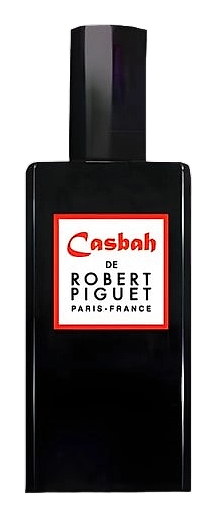
Robert PiguetRobert Piguet began as a Parisian couture house in the early 1930s and has since become a reference point for niche fragrance lovers. The brand’s early perfume, Bandit (1944), introduced a bold, modern scent language that still informs its collections. Today the house offers a curated line of scents such as Fracas Platinum, Knightsbridge and V Gold, each presented in sleek, French‑made bottles. Robert Piguet balances a heritage of runway drama with a quiet confidence in olfactory craftsmanship, making it a steady choice for collectors who value history and quality.
The Creator
Aurélien GuichardAurélien's style could be described as refined and elegant, with a focus on natural ingredients. He often uses roses, a nod to his family's history, but he isn't limited by tradition.