
The Story
Why it exists.
The beginning
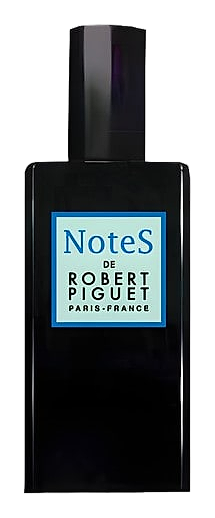
Robert Piguet built a reputation on boldness. Bandit in 1944, Fracas in 1948, fragrances that didn't ask permission. Notes arrived in 2012 as something quieter, more studied. Aurélien Guichard, whose family has roots in Grasse, understood the assignment. This wasn't about making another statement fragrance. It was about making a fougère that worked. The name says it all: this is a fragrance about the notes themselves, about structure and balance, about what happens when you build something for someone who already knows what they're looking for.
Clary sage and bergamot open clean and aromatic, not the sharp citrus punch of lemon, but something rounder, almost herbal. The heart brings geranium and orange blossom, a green-bitter floral that adds complexity without sweetness. Costus, often overlooked, introduces a slightly animalic warmth that makes the florals feel less polite. The base is where it earns its fougère classification: oakmoss and vetiver create an earthy, mossy foundation, while tonka bean softens the edges just enough to keep it from feeling austere. Each layer has a reason to be there.
The evolution
The opening hits clean. Clary sage and bergamot arrive crisp, that distinctive fougère sharpness settling into the skin within the first hour. Then the florals take over, geranium with its rosy, slightly spicy character, orange blossom adding a bitter twist. Costus is the quiet wild card here, a material that most people couldn't name but would notice if it disappeared. By the time the base arrives, the composition has shifted twice. Oakmoss and vetiver provide the earthy, mossy anchor. Tonka bean rounds the drydown into something warm and close. Eight to ten hours on most skin types, moderate sillage that stays within arm's reach. Not a fragrance that fills a room. One that someone near you will want to ask about.
Cultural impact
Notes has become a reference point for fougère enthusiasts who appreciate structure over trend. It appeals to the wearer who chooses olfactive drama over trend-chasing, confident enough to let scent speak without needing to fill the room. Released in 2012, it arrived during a period when mainstream masculinity in fragrance leaned heavily on sweet, spicy compositions, making its green-bitter aromatic profile a deliberate counterpoint.