The Story
Why it exists.
The beginning
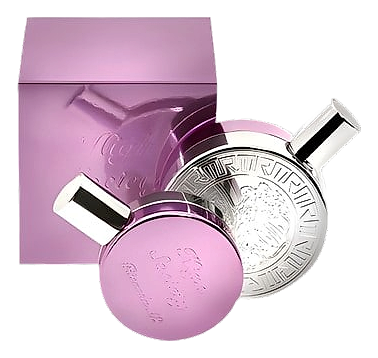
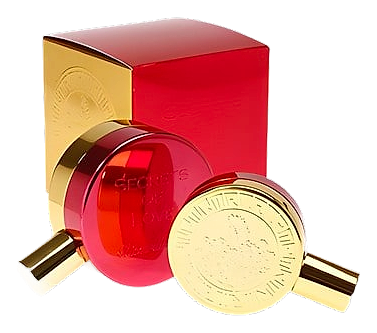
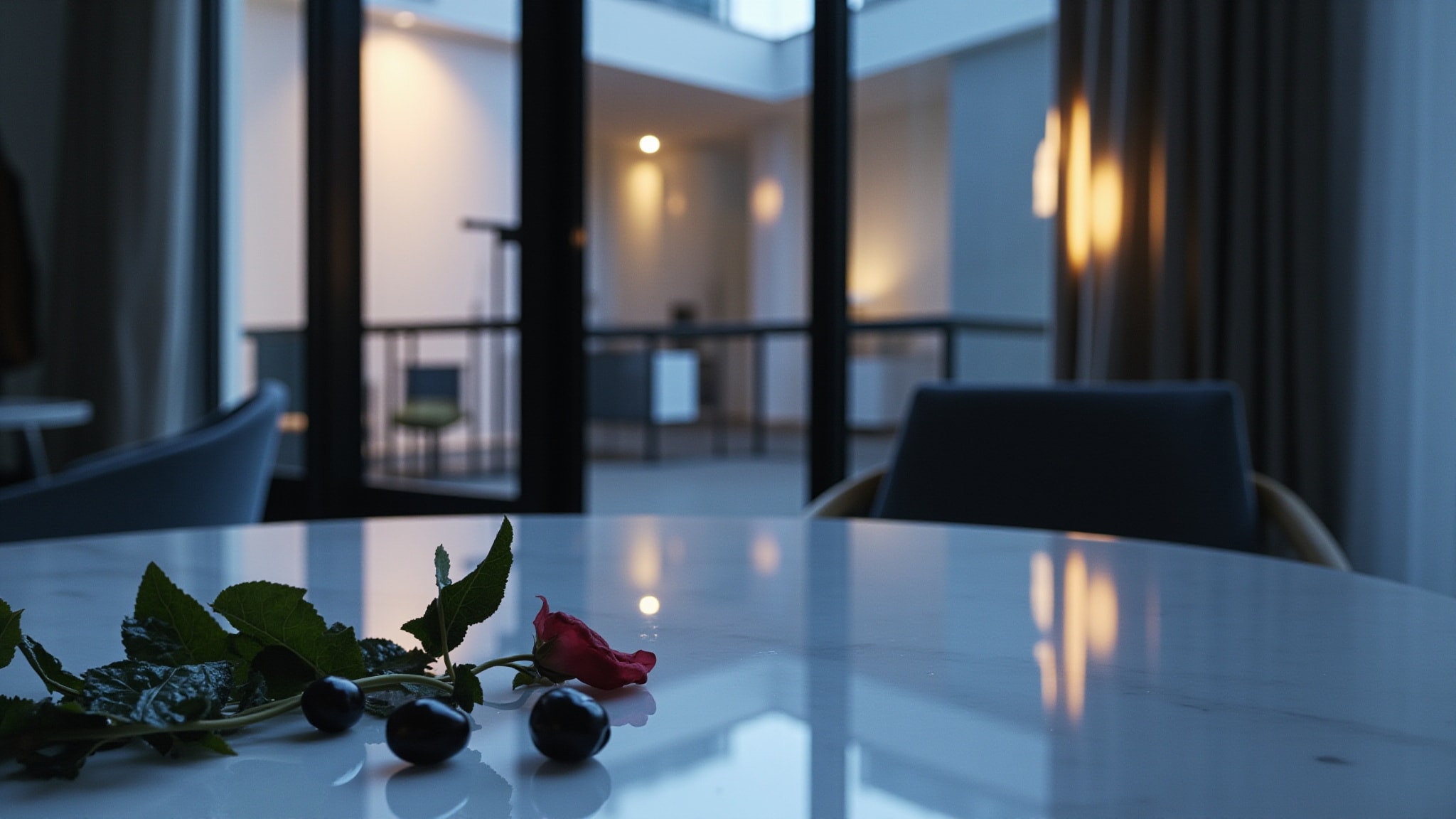
Secrets of Love has a release year and perfumer that remain unrecorded. The name points toward intimacy, yet the composition resists a purely sweet reading of romance. Ivy and tangerine bring a cool, sharp edge from the first impression, joined by the dark fruitiness of blackcurrant. Nothing about that opening is ornamental. It feels alert, private, and a little hard to pin down. As the scent develops, the bright fruit gives jasmine and rose more depth, while caraway keeps the floral heart from becoming overly polished. Musk, patchouli, and cedarwood gradually draw the composition toward a grounded, woody character, leaving romance with a restrained and distinctly textured edge.
The composition becomes interesting where opposites overlap. Jasmine and rose lend air and softness, but caraway adds a dry, aromatic snap rather than a smoothly polished floral center. Patchouli then supplies depth without turning the whole fragrance overtly earthy. It's a familiar romance vocabulary, arranged with enough green fruit and spice to keep the result from becoming predictable.
The evolution
It begins with movement: ivy cutting through tangerine and blackcurrant, bright but never candy-sweet. That lively opening gives way to jasmine and rose, with caraway keeping the floral heart from becoming too polished. The character shifts again as musk settles around patchouli and cedarwood. Green turns woody, fruit becomes darker, and the rose reads more intimate than fresh. Over time, the initial brightness softens and the darker notes gain presence, creating a progression that feels controlled rather than showy. Patchouli and cedarwood lend the composition a dry, grounded finish, while the floral notes remain close beneath the surface. The result is intimate without becoming delicate, and woody without losing the fragrance's sharper opening.
Cultural impact
Secrets of Love brings a distinctive perspective to romantic fragrance through its balance of floral freshness and darker, grounded notes. Ivy, tangerine, and blackcurrant create a bright, green-fruity opening, while jasmine and rose add a softer center without making the composition overly sweet. Caraway introduces a subtle herbal edge, and musk, patchouli, and cedarwood shape the later character with warmth and depth. The result is a fragrance that can suggest connection while remaining private and self-contained. It invites discovery through contrast, pairing the openness of fruit and flowers with a more reserved woody finish.