
The Story
Why it exists.
The beginning
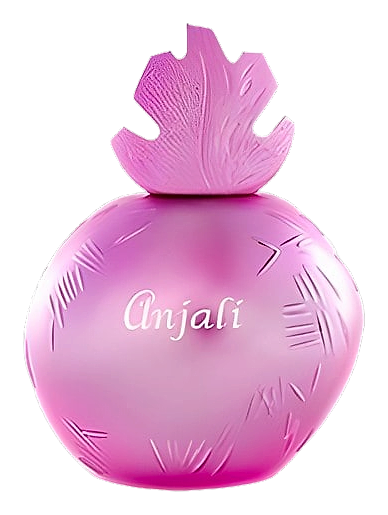
Anjali arrived in 2005 from a house that treats fragrance like a postcard from somewhere you used to be. The composition is gentle from the very first breath, built around a powdery, tuberose-driven floral character designed for women, now apparently discontinued. Tuberose and tonka bean form the core, and they do so without ceremony. The tuberose carries a soft, creamy sweetness, the kind that feels sun-warmed rather than sharp or indolic. Tonka wraps around it like a second skin, adding a faint almond-hay warmth that keeps the floral grounded. Vanilla and musk hold the door open, providing a base that is plush and quietly sweet without ever tipping into gourmand territory. There is no splashy introduction, no bright citrus to cut through the softness.
What makes Anjali worth attention is the pairing at its center. Tuberose carries a reputation for being heavy, almost funereal in large doses, the kind of white floral that dominates a room before you've finished the sentence recommending it. Here it sits beside tonka bean, which softens the blow with a milky, almond-adjacent sweetness. The result is tuberose without the funeral. The indolic edge that makes the flower polarizing on its own gets tempered by tonka's gourmand warmth. Vanilla in the base doesn't compete. It consoles. Musk pulls everything close to skin. The whole composition reads as a study in how to make a challenging floral feel like a second skin rather than a statement.
The evolution
Anjali doesn't perform. It begins soft and stays that way, which is either its greatest strength or its most common criticism depending on who you ask. The opening is immediate, no dramatic citrus spark or sharp green edges to cut through. Tuberose arrives already sweetened by tonka, carrying a creamy, almost lactonic quality from the first spray. The tonka deepens quickly, pushing the floral into something warmer, more amber-adjacent. Vanilla takes over the conversation early, warm and slightly gourmand, but never cloying. Musk pulls the whole thing close, lending a skin-like intimacy that keeps the sweetness from floating away. What's notable is how unified the composition feels. The notes don't fight for attention or take turns in the spotlight; they blend into a single, continuous impression of creamy floral warmth.
Cultural impact
Anjali sits in an interesting corner of the tuberose conversation. The flower has its devotees and its detractors, and this particular take leans firmly toward the creamy, wearable end of the spectrum. The tuberose here is not the sharp, almost green indolic blast that some white floral lovers seek out. It's been softened, sweetened, and smoothed by the tonka and vanilla until it reads more like a comfort scent than a statement. That approach gives it broad appeal within the floral category, drawing in people who appreciate white florals in a gentle, intimate register rather than a bold, room-filling one.