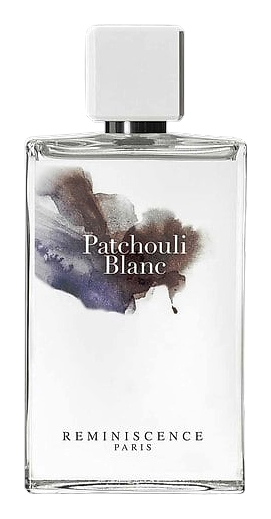
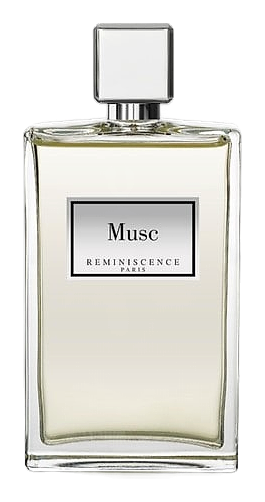
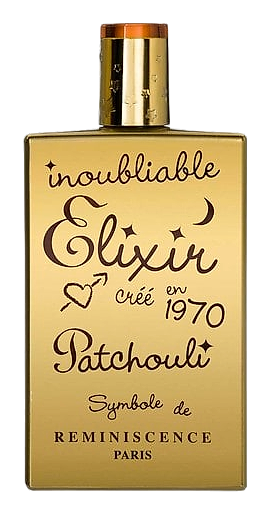
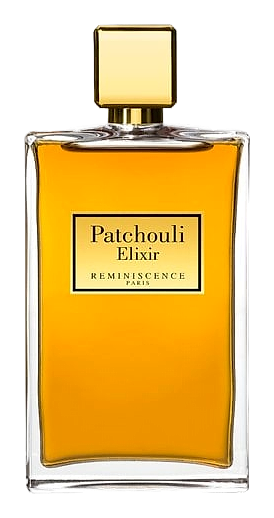
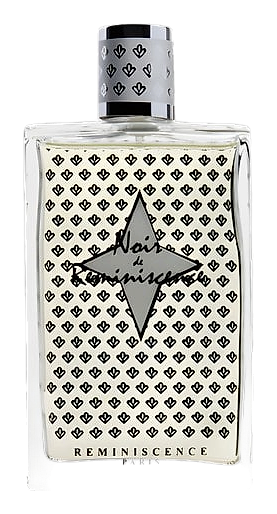
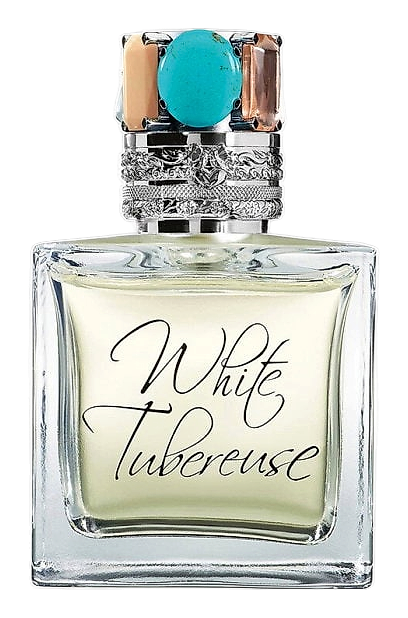
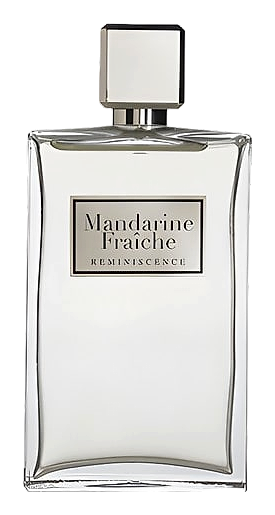
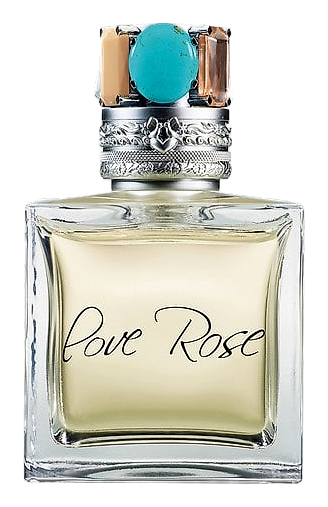






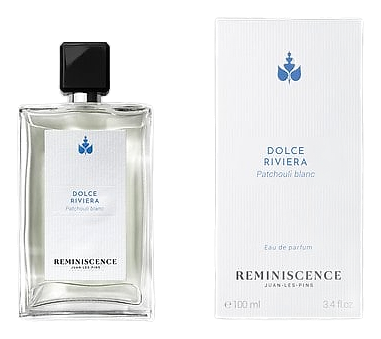
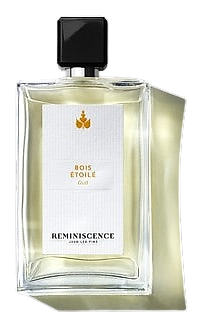
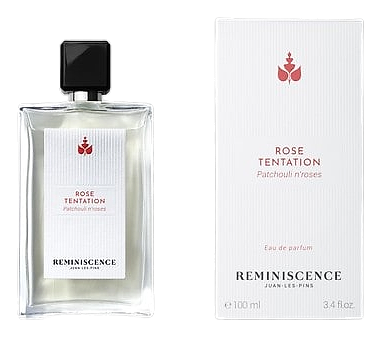
The Heritage
The Story of Reminiscence
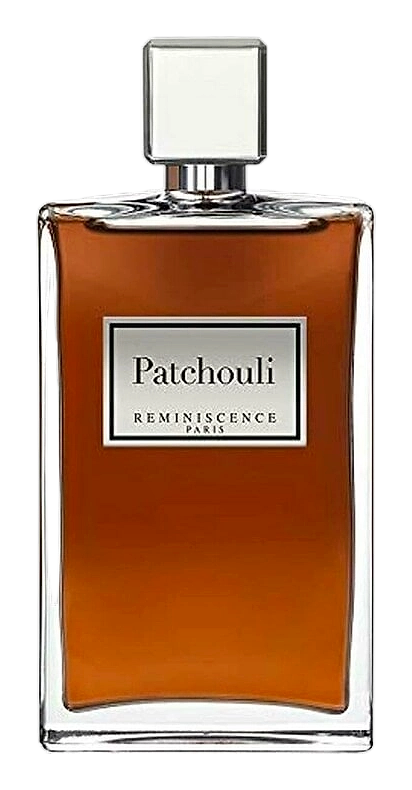
Reminiscence began as a boutique in the seaside town of Juan‑les‑Pins in 1970, where founder Juan Famenias gathered curiosities from his travels and paired them with scent. The shop quickly became a miniature museum of objects, each infused with a fragrance that echoed the memory of its origin. Over the decades the brand has turned that concept into a line of niche perfumes that read like scented postcards, from the woody depth of the 2007 Elixir Patchouli to the bright floral of the 2024 Fleur de Délice. Reminiscence positions itself as a curator of olfactory memories, offering collectors a way to wear a story rather than a simple fragrance.
Heritage
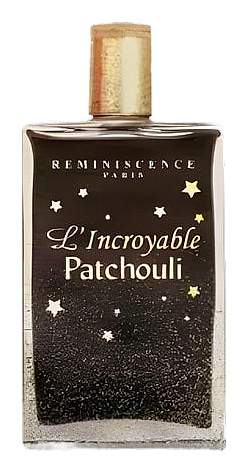
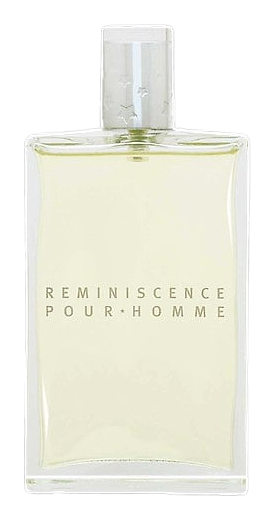
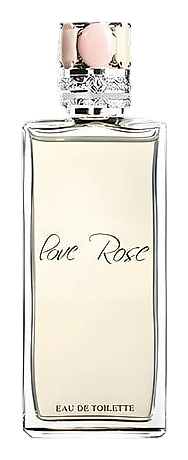
The story of Reminiscence is rooted in the post‑war optimism of the French Riviera. In 1970 Juan Famenias opened the first boutique on the promenade of Juan‑les‑Pins, a town known for its artistic community and Mediterranean light. The shop displayed an eclectic mix of antiques, travel souvenirs, and handcrafted objects, each accompanied by a bespoke scent that the founder described as “the perfume of the object’s memory.” This approach attracted artists, writers, and jet‑setters who sought a fragrance that could evoke a place or moment. By the late 1970s the boutique had become a cultural hub, and word of its distinctive scents spread beyond the Riviera. In 1999 Reminiscence released its first men’s fragrance, Reminiscence Pour Homme, marking the brand’s entry into the broader niche market. The early 2000s saw a series of limited‑edition releases that emphasized the house’s signature patchouli accords, most notably the 2007 Elixir Patchouli, which the brand promoted as a modern reinterpretation of its original “trademark scent.” The 2009 launch of Noir introduced a darker, more gourmand profile, while the 2015 Love Rose Eau de Toilette broadened the line with a fresh, romantic rose that appealed to a younger audience. Recent years have brought a resurgence of interest in the brand’s heritage, culminating in the 2024 releases of Fleur de Délice and Rose Tentation, both of which reference the boutique’s original philosophy of pairing objects with scent. Throughout its history, Reminiscence has remained independent, avoiding large corporate ownership and maintaining a small‑batch production model that allows it to experiment with rare ingredients and unconventional compositions.
Craftsmanship
Production at Reminiscence follows a small‑batch, atelier‑style process that blends traditional French perfumery techniques with selective modern technologies. Raw materials are sourced from certified farms in Grasse, Madagascar, and the Indonesian archipelago, with a particular focus on high‑quality patchouli, rose, and citrus essences. The house works directly with growers to ensure that harvests are performed at peak aromatic maturity, and it often employs manual extraction methods such as steam distillation for botanicals that benefit from gentle handling. Once the essential oils arrive at the Paris workshop, master perfumers blend them in stainless‑steel vats, allowing each component to mature for several weeks before the final accord is locked in. The aging process takes place in temperature‑controlled rooms, where the perfume rests in glass containers to achieve equilibrium. Quality control includes blind olfactory panels that evaluate balance, longevity, and fidelity to the original brief. Bottling is performed by hand in a nearby glassworks facility that uses reclaimed glass, and each bottle receives a hand‑applied label that references the object or memory that inspired the scent. The brand’s commitment to craftsmanship also extends to limited‑edition releases, which are numbered and accompanied by a small booklet describing the scent’s backstory, the sourcing of its key ingredients, and the artistic influences behind its creation.
Design Language
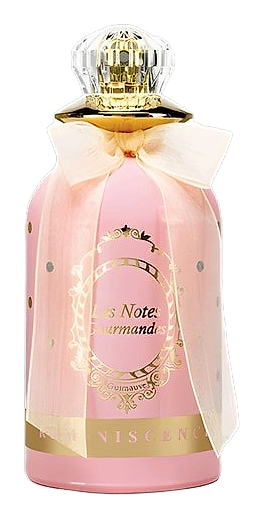
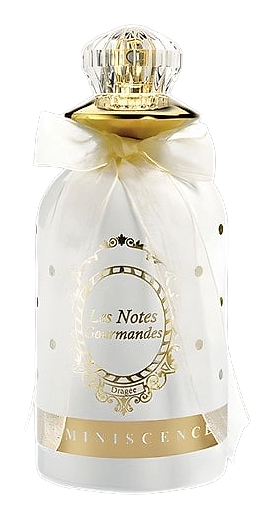
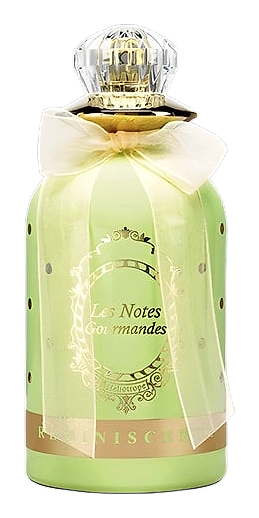
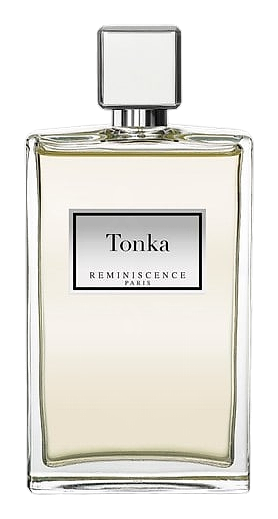
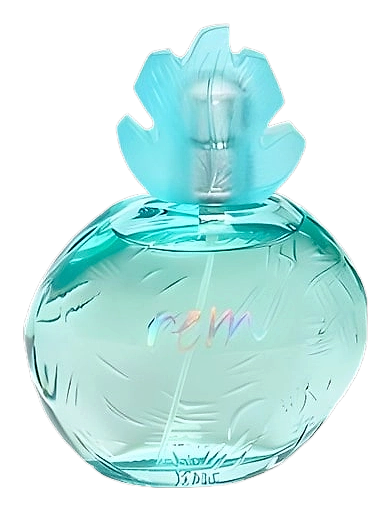
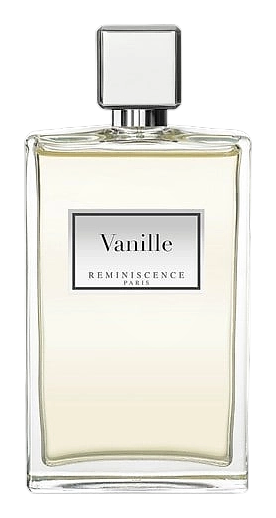
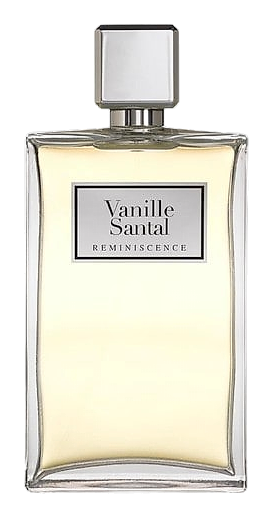
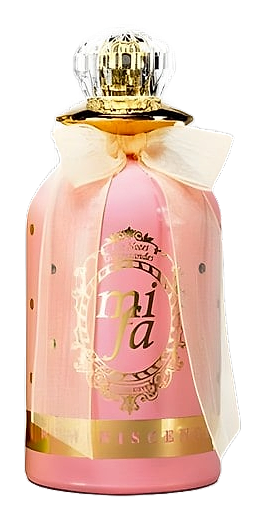
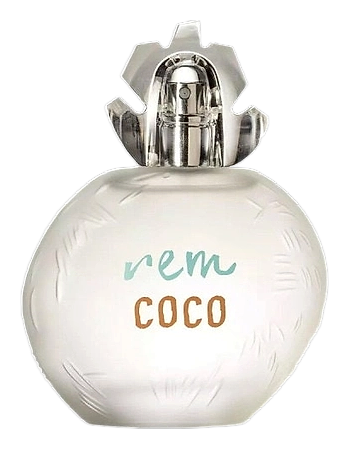
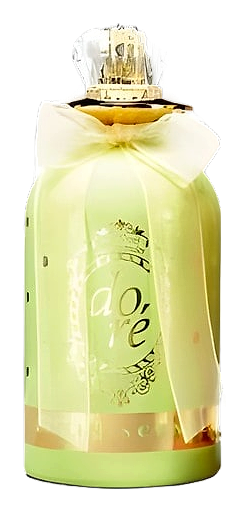
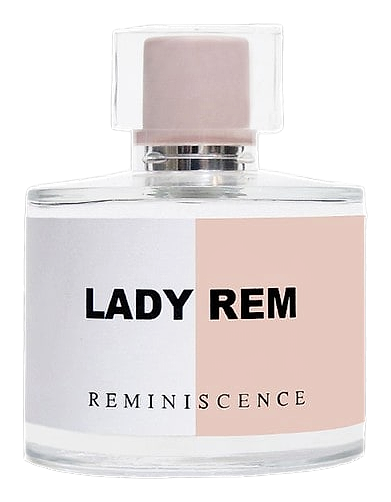
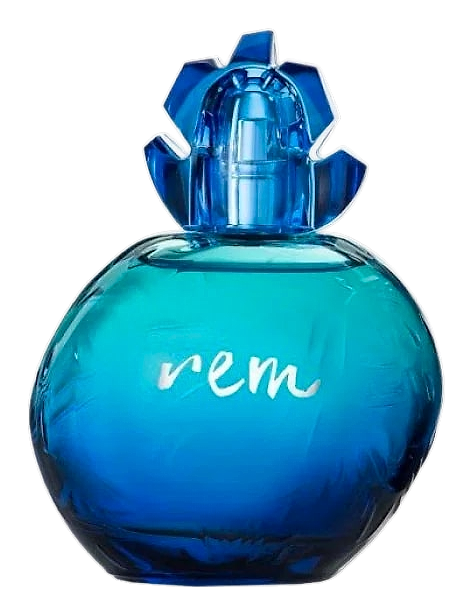
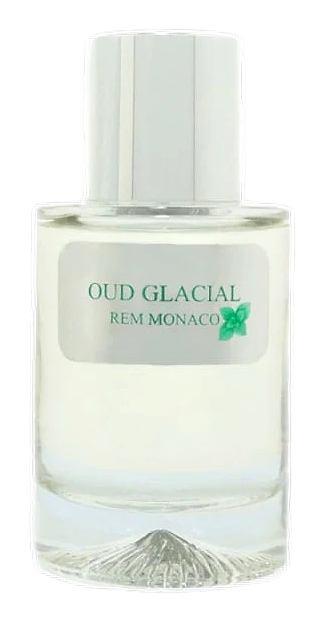
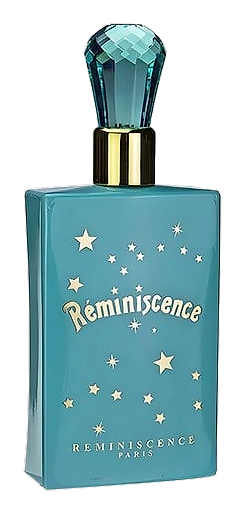
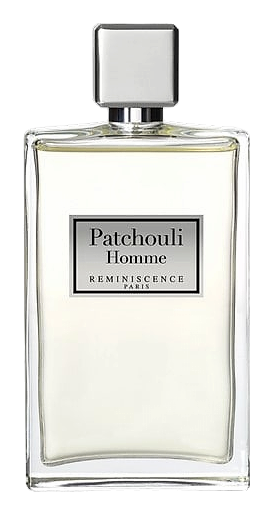
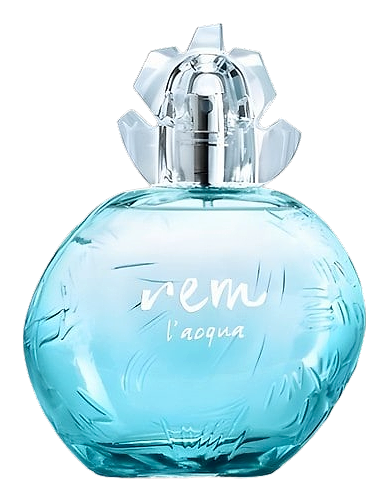
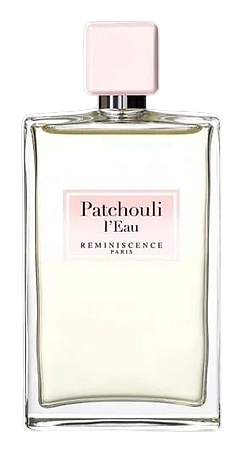
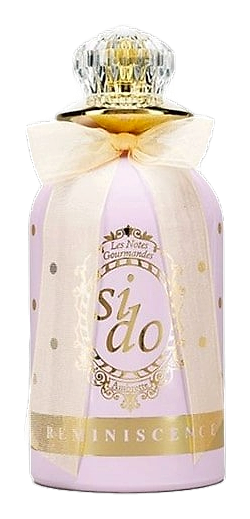
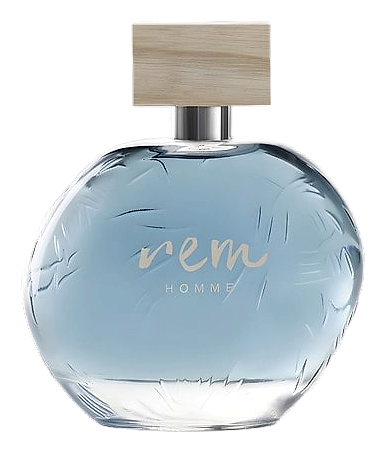
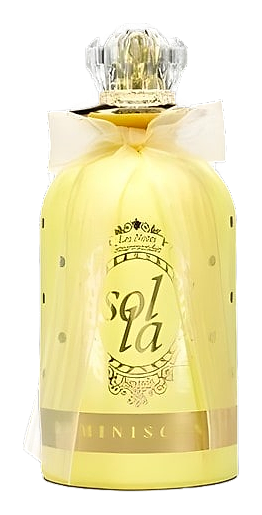
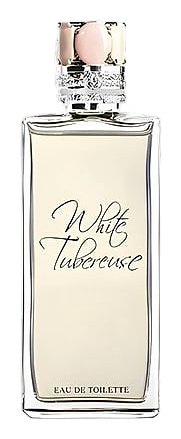
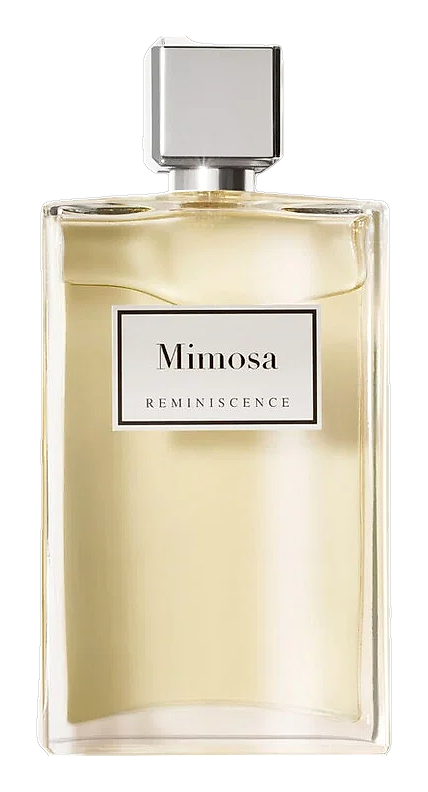
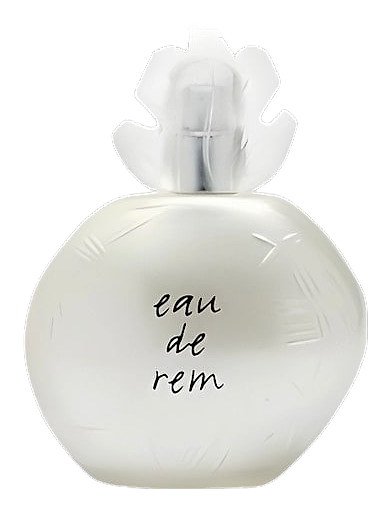
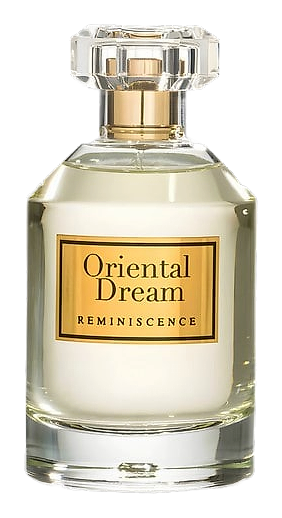
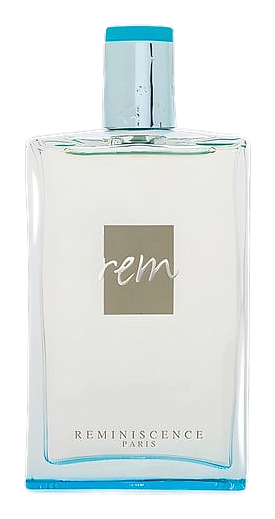
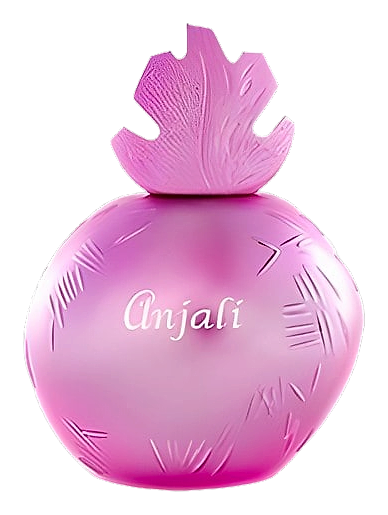
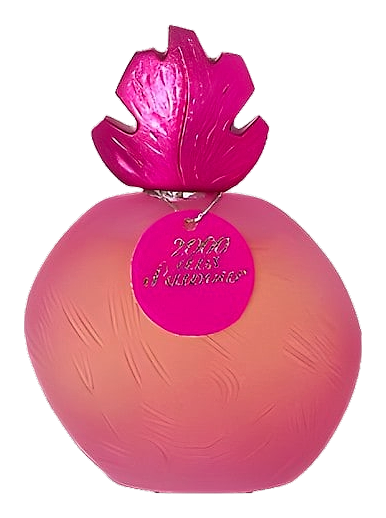
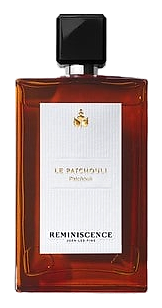
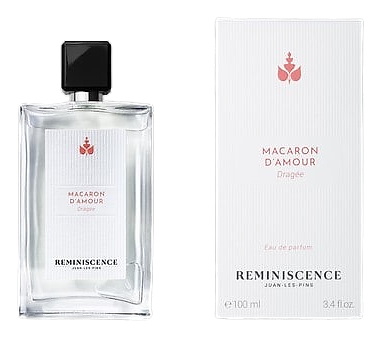
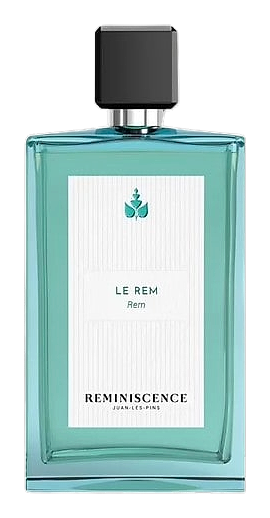
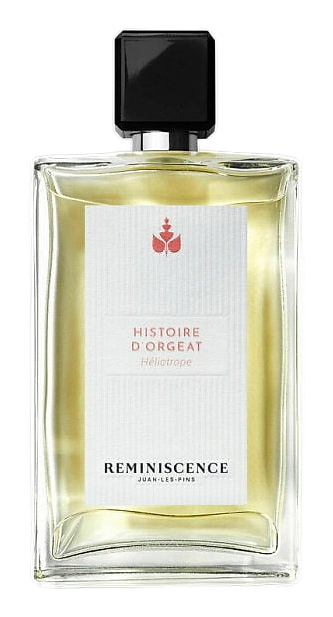
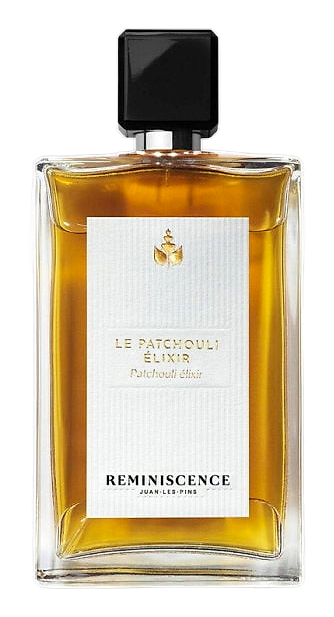
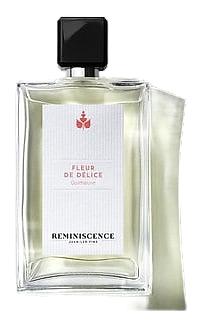
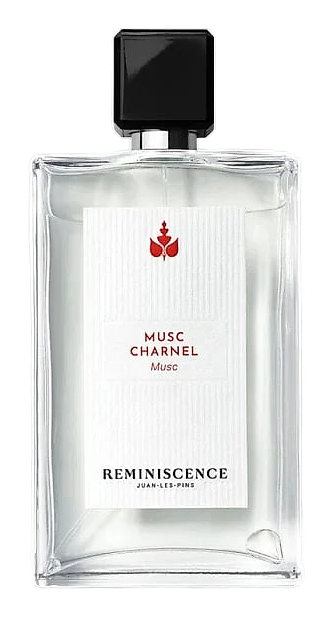
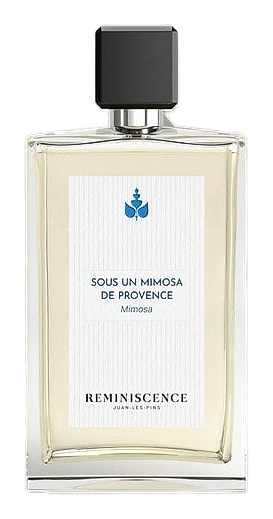
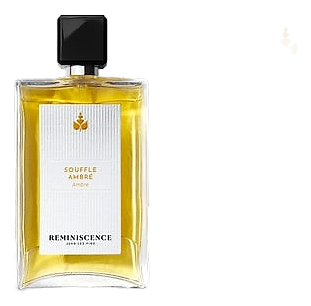
Visually, Reminiscence embraces a minimalist yet evocative design language that mirrors its olfactory storytelling. Bottles are typically clear or lightly tinted glass, allowing the perfume’s natural hue to become part of the visual narrative. Caps are often crafted from brushed metal or aged wood, echoing the material of the object that inspired the fragrance. The brand’s typography favors clean, sans‑serif lettering with subtle gold accents, reinforcing a sense of understated elegance without resorting to overt luxury cues. Packaging inserts feature sepia‑toned photographs of travel artifacts, maps, and handwritten notes, creating a tactile link between the scent and its source memory. In the boutique, shelves are arranged like museum displays, with each perfume positioned beside the object or photograph that inspired it. This curated environment encourages visitors to linger, read, and imagine the journey behind each bottle. Recent releases, such as Fleur de Délice, introduced a soft pastel palette and a floral‑etched glass pattern, while Rose Tentation opted for a deep ruby hue and a velvet‑wrapped box, both reinforcing the brand’s commitment to aligning visual cues with scent character.
Philosophy
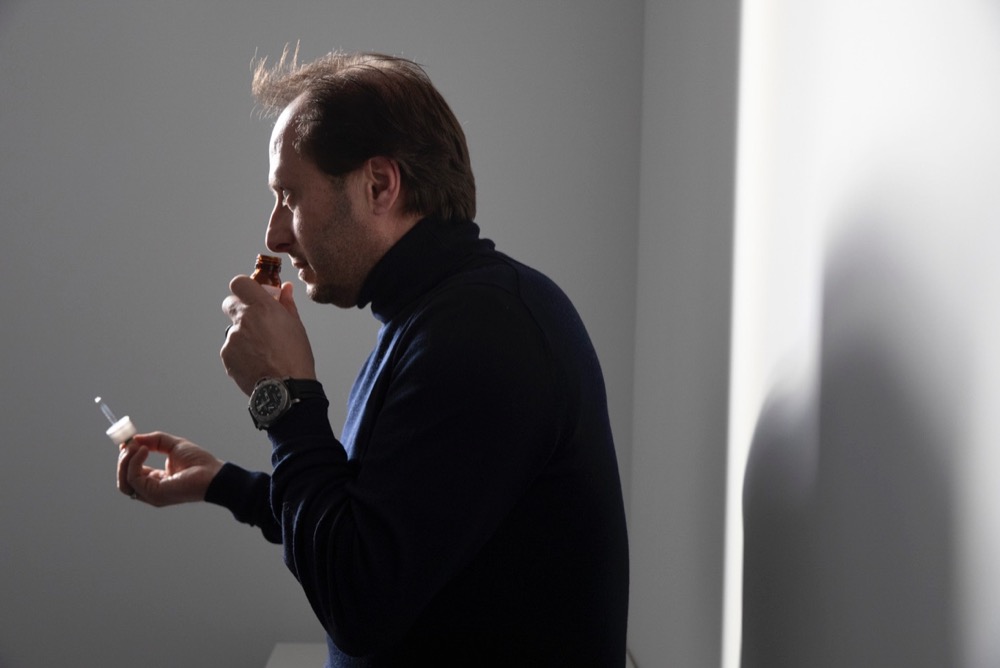
Reminiscence treats perfume as a narrative device rather than a decorative accessory. The brand’s creative vision centers on the idea that every scent should act as a trigger for memory, a principle that guides both composition and presentation. Rather than chasing trends, the house follows a set of values: authenticity, tactile storytelling, and respect for the provenance of raw materials. Each fragrance is conceived around an object or a place that the founder encountered during his travels, and the perfumer is tasked with translating that experience into olfactory form. The brand also emphasizes sustainability, sourcing natural ingredients from regions that practice ethical harvesting and supporting small‑scale farmers. Transparency is another pillar; Reminiscence publishes ingredient lists and often includes notes on the origin of key components, inviting consumers to understand the journey from field to bottle. This philosophy extends to the boutique experience, where the visual display of artifacts is meant to complement the scent, encouraging visitors to make personal connections rather than simply purchase a product.
Key Milestones
1970
Juan Famenias opens the first Reminiscence boutique in Juan‑les‑Pins, introducing the concept of pairing objects with bespoke scents.
1999
Launch of Reminiscence Pour Homme, the brand’s first dedicated men’s fragrance, expanding its niche portfolio.
2007
Release of Elixir Patchouli, a modern reinterpretation of the house’s signature patchouli accord, highlighted in niche perfume blogs.
2009
Introduction of Noir, a darker gourmand fragrance that broadens the brand’s emotional range.
2015
Love Rose Eau de Toilette debuts, offering a fresh, romantic rose composition aimed at a younger audience.
2024
Fleur de Délice and Rose Tentation launch, celebrating the brand’s 54‑year heritage with contemporary reinterpretations of classic motifs.
At a Glance
Brand profile snapshot
Origin
France
Founded
1970
Heritage
56
Years active
Collection
3
Fragrances released
Avg Rating
3.9
Community sentiment
Release Rhythm


