
The Story
Why it exists.
The beginning
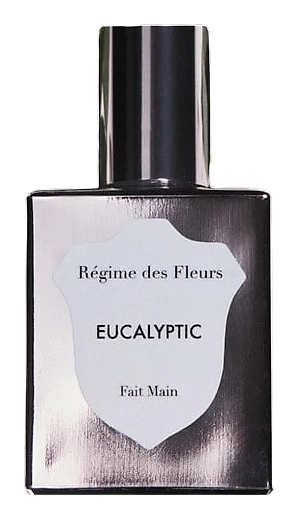
Eucalyptic was born from a desire to work with eucalyptus, that sharp, clarifying material with an almost medicinal edge that clears sinuses and sharpens thought. The concept took that quality and built green aromatics and watery facets around it, evoking the atmosphere of a forest during or after rainfall. Rosemary and lavender were selected for their ability to add texture and complexity rather than sweetness, deepening the sensory effect of the eucalyptus rather than softening it. The result is a fragrance that begins with invigoration and ends in quietude, eucalyptus serving as both the jolt and the calm.
The structure here is what makes it work. The eucalyptus is the point, distributed through the heart as the dominant material, while the opening and base are designed to frame it. Green and aquatic elements create a cooling sensation on skin that reads almost synesthetic, like feeling the temperature drop. The hinoki in the heart brings a forest bathing quality, while the vetiver and cedar at the base extend the freshness into something warmer and more contemplative.
The evolution
The opening hits fast. Rosemary's herbal sharpness cuts through first, followed immediately by lavender, not sweet lavender, but the camphorated variety that smells like dried stems and heat. The eucalyptus announces itself as a mentholated coolness that clears the air around you, spreading across the space with an expansive quality. Watery notes amplify the effect, creating the sensation of moisture and cold stone. By the time the heart develops, the composition shifts toward something more meditative. Hinoki cypress takes on a woodiness that feels almost ritualistic, while geranium leaf introduces a green-floral undertone that softens the edges. This is where Eucalyptic becomes serene rather than bracing. The drydown arrives slowly. Cedarwood and vetiver take over, their dry, slightly earthy quality replacing the initial coolness with warmth that sits close to skin.
Cultural impact
Eucalyptic arrives as a striking example of how green fragrances can command attention without relying on sweetness or intensity. What distinguishes this from other aquatic-green attempts is its commitment to eucalyptus as a focal material rather than a passing reference. Wearers describe it as the scent of someone who walks into a room and doesn't need to announce themselves, quiet confidence that reads as considered rather than safe. The gender-neutral positioning reflects a broader movement toward fragrance as personal expression, where scent choices prioritize individual taste over traditional categorization.