The Story
Why it exists.
The beginning
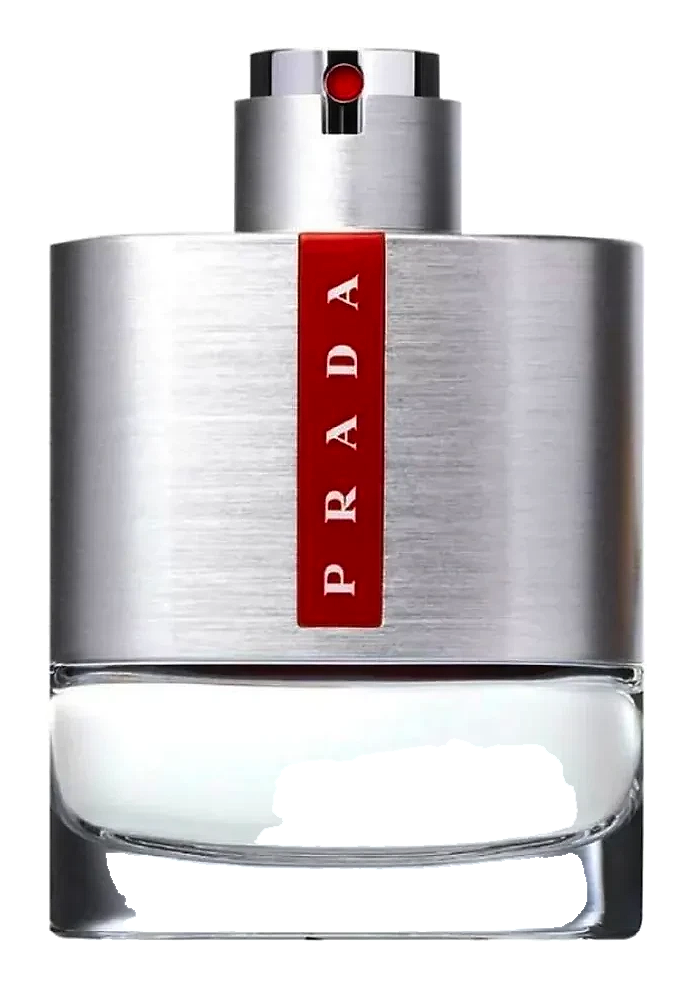
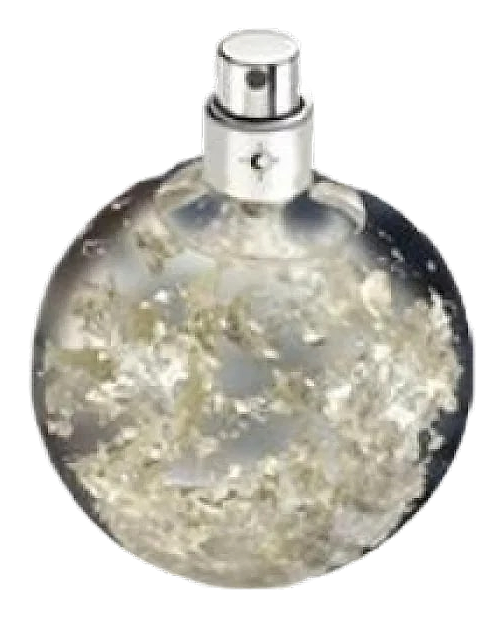
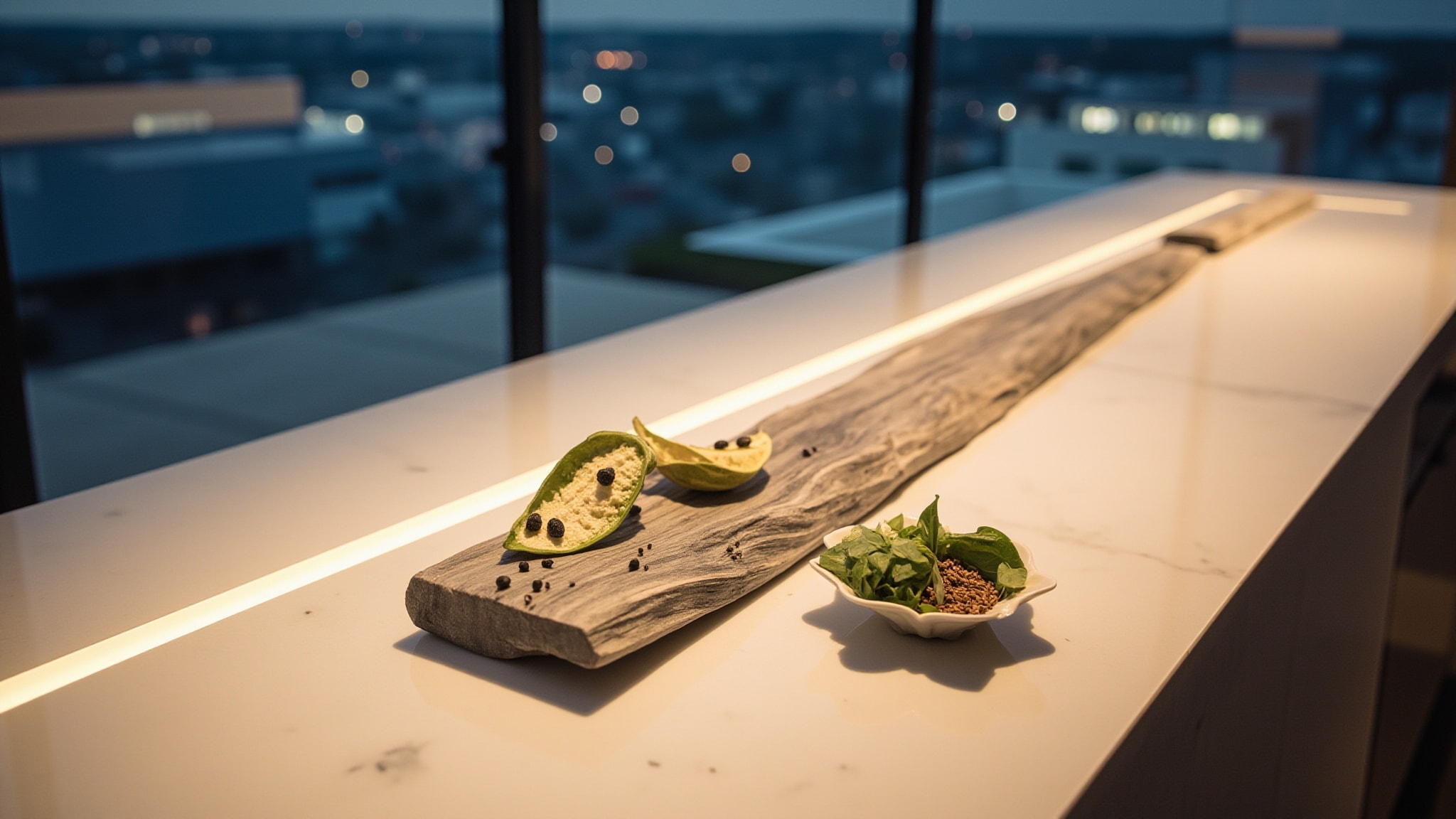
Luna landed in 2009 from Ramon Molvizar, and the fragrance takes its name from moonlight. The idea was never to recreate the night. The brief was the light itself: pale, silvered, drifting across something solid underneath. Where the brief becomes interesting is in what it chooses to leave out. No ornament, no gilded excess, no performance. Just a single, continuous temperature held from the first spray to the last trace on a collar the next morning. The fragrance becomes the calm part of a loud conversation, a composition that holds its composure rather than asking for attention. The opening carries a kitchen-fresh burst of coriander, basil, and cardamom, an aromatic trio that reads bright and green before settling.
What makes Luna work is the discipline of its restraint. Most woody fragrances stack multiple wood species for richness. Luna stays with a single white wood through the heart, then lets amber and musk carry the base. The spice at the top is a tight trio: coriander, basil, cardamom. Three green, herbal heat sources doing different jobs, then stepping aside. That economy is the trick. The fragrance doesn't try to be complex. It tries to be coherent, and that clarity is rarer than it sounds.
The evolution
The opening belongs to the spices. Coriander hits bright and slightly herbal, basil cuts green through it, and cardamom hums underneath with a warm, almost mentholated sweetness. It smells like opening a kitchen window in the first minutes of cooking, before anything's even started. The wood arrives once the spices have had their say. It's a pale, cool variety, the kind that reads more like a surface than a material, almost silvery in the way it sits on skin. There's a coolness to it that feels unusual for a woody composition, as if the wood has been bleached of its heavier associations and left with only its lightest grain. The transition into the heart is gradual, the spices slowly stepping back to let the wood take the lead without ever fully disappearing. As the hours pass, the wood softens and warms, shifting gradually into amber.
Cultural impact
Luna draws its power from a simple, instantly legible image: moonlight falling across a solid surface. That image travels well because it carries built-in contrast, the idea of something pale and quiet touching something weighty and still. The fragrance translates that contrast into scent through a deliberate tension between bright aromatic herbs and a cool, pale wood that reads more like a surface than a material. Coriander, basil, and cardamom lift the opening with a green, kitchen-window brightness, and then the composition pulls back, trading sparkle for stillness.