
The Story
Why it exists.
The beginning
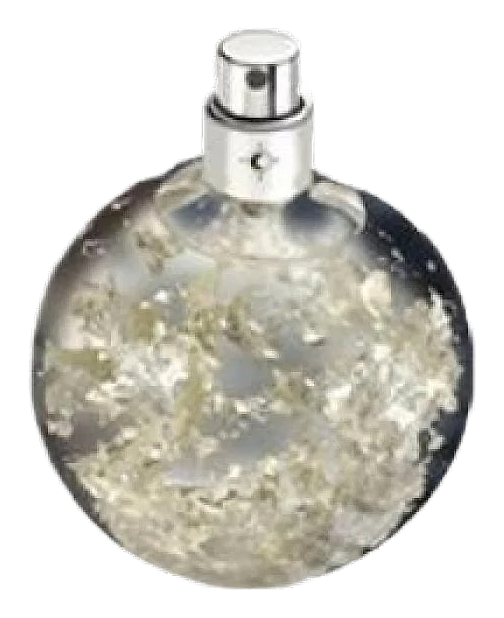
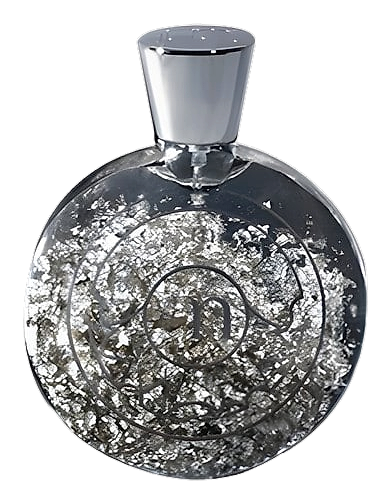
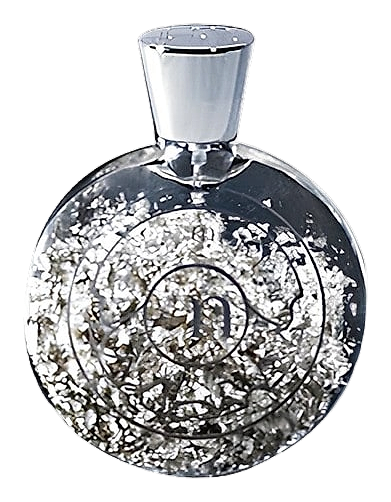
Art & Silver & Perfume takes its name seriously, not as a label but as a concept. The "Art" signals intent: this is meant to be examined. The "Silver" is both material and mood, a nod to the metallic quality that opens the composition. And "Perfume" is the medium. The inspiration draws from the architectural grandeur of Topkapi Palace, high arches filled with light, citruses catching sun, spice corridors leading deeper into shadow. Ramon Molvizar has built a house around theatrical presence, and this 2016 release by Alice Lavenat translates that philosophy into something you can wear. Lavenat constructed the fragrance as a progression: a sparkling citrusy opening full of air, then a heart where spicy cardamom and geranium meet resinous shades, all anchored by a woody base of cedar and oud softened by musk and vanilla. The result is a noble and shining scent, the brand's own words, and they're accurate.
The note structure here follows classical perfumery logic but with specific intent. Elemi brings an unexpected coolness to the opening, a metallic, almost turpentine-like quality that surprises against the expected citrus warmth. Cardamom bridges top and heart, its aromatic profile pulling the composition from bright toward dense. Geranium and cedar together create an unusual tension: geranium's green-rosy character softens the dry cedar, making it feel warmer and less austere. The base introduces vanilla and amber as cushioning agents, preventing the structure from becoming too sharp. What's notable is how oud behaves here. It doesn't dominate.
The evolution
The opening arrives with intent. Bergamot, grapefruit, elemi, a bright citrus accord with an almost metallic edge. The elemi does the unexpected work here, creating a sharpness that feels cool, clean, architectural. It doesn't linger long, but it announces the fragrance's character from the first breath. Within minutes, cardamom emerges, aromatic, slightly peppery, warm. The citrus doesn't disappear entirely; it fades gradually as the heart develops. Geranium arrives next, bringing a green floral quality that tempers the spice, then cinnamon settles in with its warm, dry character. Cedar appears around the transition to heart, providing structure. The heart lasts several hours. Geranium and cedar build together, creating a warm-woody axis that dominates the mid-wear. Cinnamon pulses beneath. The progression is gradual, this is not a fragrance that announces its transitions loudly. The drydown extends the cedar's presence while vanilla and amber soften it into something powdery-warm. Oud appears late, quiet, almost secondary, adding depth rather than character.
Cultural impact
The rating sits in the mixed range, a predictable outcome for a fragrance with this much character. The opening, specifically the silver-elemi metallic quality, polarizes immediately. Some find it cool and intriguing; others find it too sharp. The drydown earns more consensus: warm, clean, composed. What's interesting is how the fragrance positions itself. It doesn't court universal appeal. The theatrical Spanish house aesthetic, the Topkapi Palace inspiration, the conceptual naming, all of it signals a fragrance made for someone who wants to be noticed. That's the real draw. The scent rewards a specific wearer: confident, theatrical, unwilling to disappear.
The House
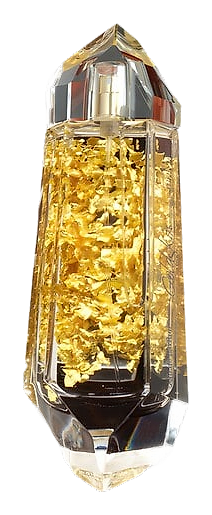
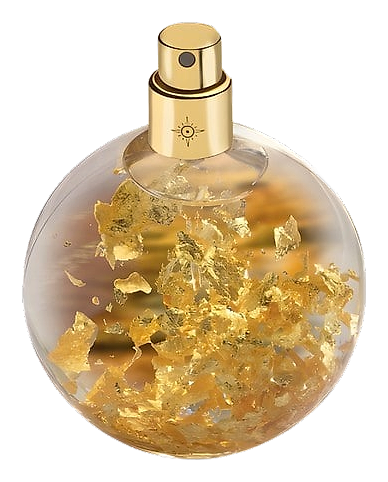
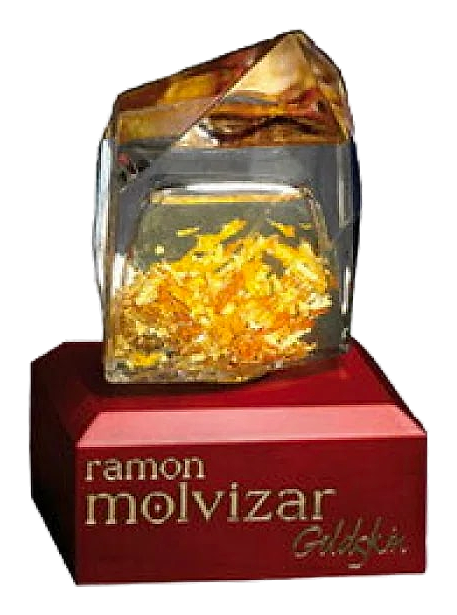
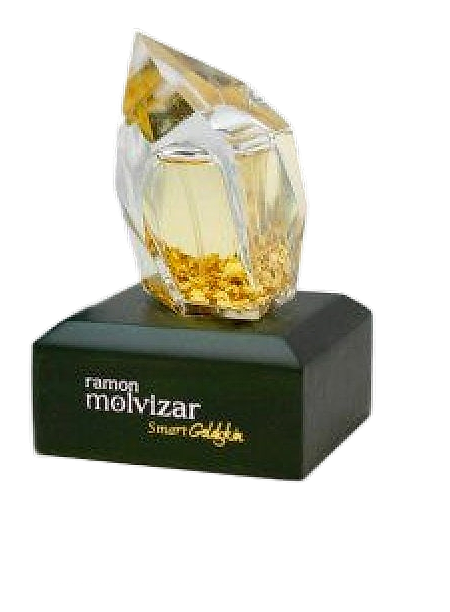
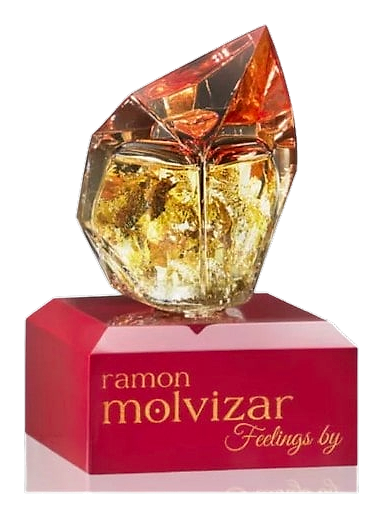
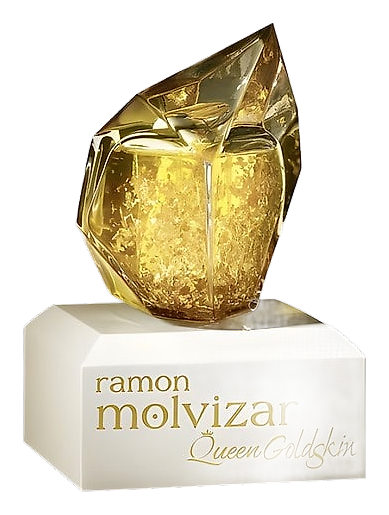
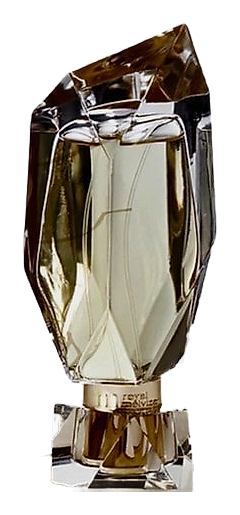
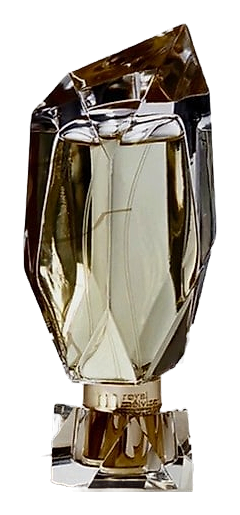
Ramon MolvizarRamon Molvizar is a Spanish fragrance house rooted in the town of Molvizar in the province of Granada. The brand creates opulent, gold-accented perfumes under the umbrella of Bejar Fragrances, a company founded by Ramon Bejar that has operated in Spain since 1980. With 21 fragrances documented in fragrance databases spanning from 1999 to 2025, the house offers compositions that incorporate real gold flakes alongside bold oriental and floral structures. The visual identity centers on sculptural bottles designed to function as collectible objects. Ramon Molvizar occupies a distinctive position in the niche fragrance market by combining Spanish perfumery traditions with ornamental luxury aesthetics.
The Creator
Alice LavenatLavenat's style favors precision over excess. She gravitates toward natural materials, particularly the kind of delicate aromatics that require careful handling: buds, blossoms, and the subtle green notes that form the invisible architecture of a fragrance.