
The Story
Why it exists.
The beginning
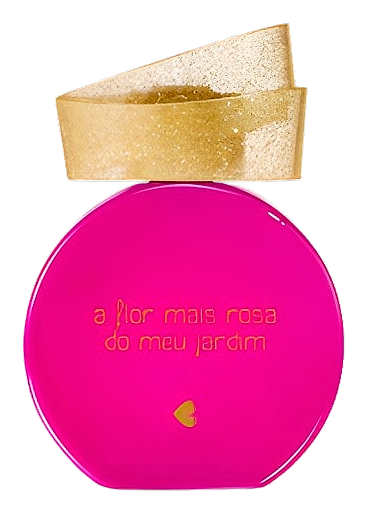
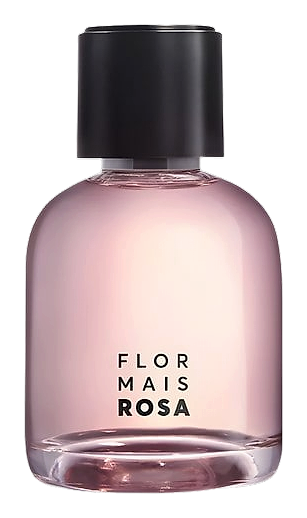
Flor Mais Rosa translates to 'The Pinkest Flower', and that's the whole concept. The fragrance was built around the idea of a garden at its most lush, where white blooms pile up under a canopy of pink. Quem Disse Berenice released it in 2018 as part of a collection that plays with color-coded scent families. The name references the Portuguese phrase for a garden's most vibrant bloom, not the rarest, not the most expensive, just the pinkest, the most alive.
What makes Flor Mais Rosa stand out in the white floral genre is the lactonic thread running through the heart. Milk as a perfume note is tricky, it can tip into sour or savory territory on the wrong skin. Here, it's anchored by vanilla in the base and brightened by geranium's green edge, keeping the creaminess soft without ever going sour. The lily of the valley adds a dewy, almost mineral freshness that cuts through the sweetness before the sandalwood drydown arrives.
The evolution
The opening hits quickly: pink pepper's spice meets apple's fruit, with bergamot lending a clean citrus edge that lasts about fifteen minutes before the florals arrive. Gardenia takes the lead, lush, almost creamy in its sweetness, while the milk note sits underneath, warming the whole composition. Jasmine joins after the first hour, adding depth without sharpness. By the second hour, vanilla emerges in the base, softening everything further. The drydown settles into a skin-close blend of sandalwood, cedar, and musk, quiet but present, lingering for four to six hours depending on skin chemistry.
Cultural impact
Flor Mais Rosa emerged as part of Quem Disse Berenice's color-coded fragrance collection, reflecting Brazil's growing influence in Latin American perfumery. The brand's playful naming conventions and bold packaging challenged traditional fragrance marketing, making luxury feel more accessible and personal. The 2018 launch arrived during a cultural shift where younger Brazilian consumers sought scents that felt individual rather than aspirational. The fragrance's embrace of lactonic sweetness, with milk and gardenia at its core, signaled a willingness to be unapologetically sweet at a time when many Western releases were pulling back toward fresher, more restrained florals.