The Story
Why it exists.
The beginning
"Brincando Num Campo de Melancias" translates to something like playing in a watermelon patch. That image, ripe fruit, open fields, the kind of summer afternoon that doesn't need to be anything more than itself, became the brief. Napoleão Bastos composed this in 2012, working within Grupo Boticário's Brazilian fragrance expertise to translate that feeling into scent. The name already had the mood. The question was whether the juice could match the daydream.
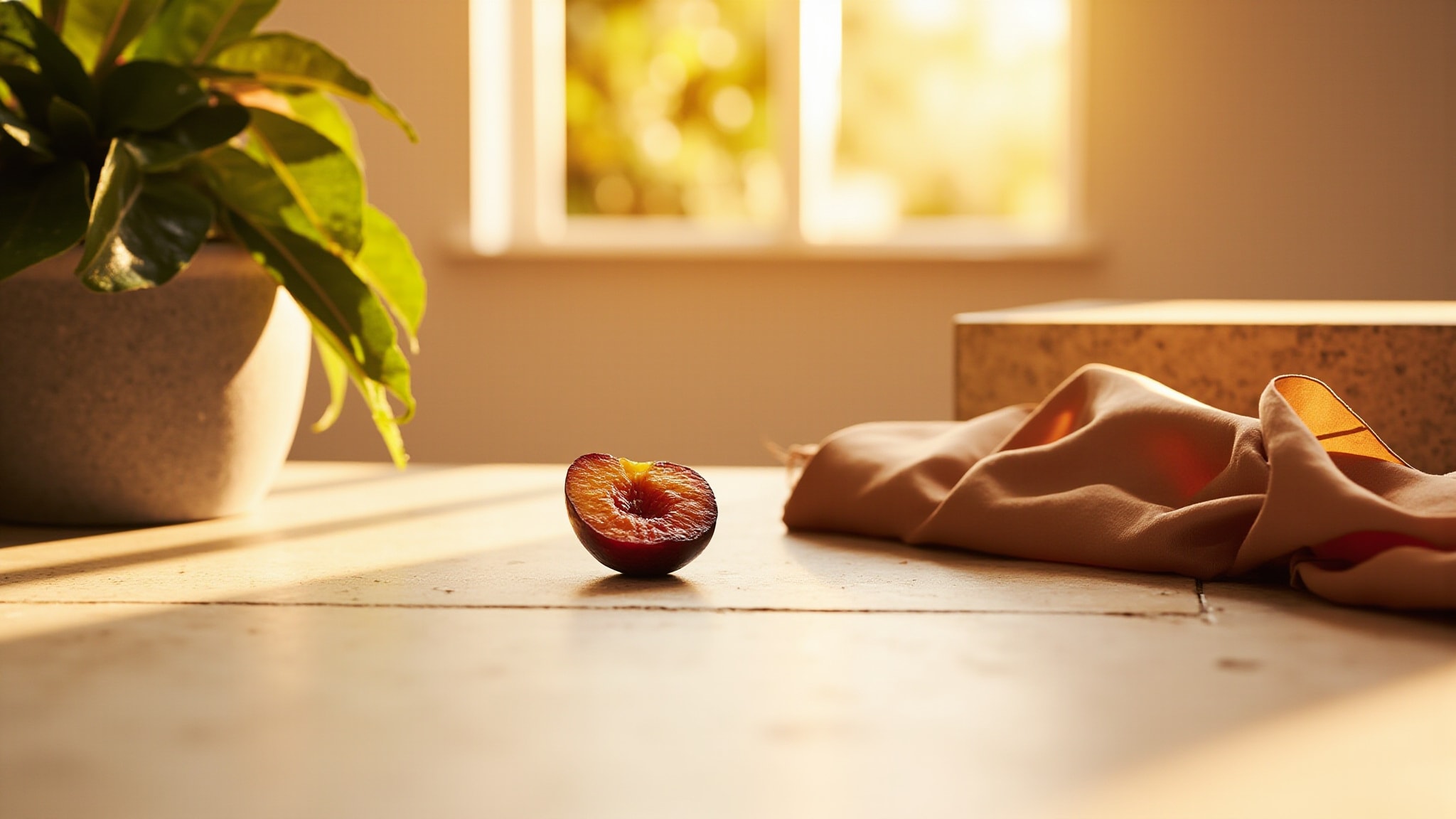
The composition follows a fruity-floral structure that lets sweetness lead without apology. Bergamot opens bright, apple adds crunch, and the heart layers plum's jammy depth with freesia's powdery floral signature. The unusual move here is the pepper pairing, black and pink together in the heart. Pink pepper especially brings a delicate, almost citrusy spice that most fruity fragrances skip entirely. It doesn't dominate. It just keeps the sweetness from getting soft. The base settles into vanilla tonka warmth with sandalwood grounding everything, staying close to skin rather than projecting outward, which suits the fragrance's intimate, afternoon vibe.
The evolution
The opening doesn't announce itself so much as bloom. Bergamot citrus meets apple sweetness, a bright, cheerful first impression that could almost be a cocktail. Within twenty minutes, the freesia arrives, that powdery floral edge cutting through the fruit. The plum stays jammy and present throughout the heart. What's notable is the pepper integration. Black and pink pepper together create a fresh spice that feels more aromatic than sharp, almost effervescent. The drydown is where the tonka and vanilla do their work. Warm, sweet, close to skin. The sandalwood adds creaminess without heaviness. By hour five or six, you're left with vanilla tonka and sandalwood on skin, a faint sweetness on fabric the next morning. Not a dramatic transformation, the fragrance stays recognizable throughout. Just a slow, pleasant softening into warmth.
Cultural impact
Quem Disse Berenice has built its reputation on subverting expectations, and this fragrance continues that tradition. The name alone, translating to something so whimsically literal, signals a brand unafraid of being unapologetically playful in a market often dominated by romantic or mysterious branding. In Brazilian perfumery, where international luxury brands often dominate conversations, this scent represents a homegrown alternative that refuses to apologize for its accessibility or its audacity. The juxtaposition of watermelon imagery with serious perfumery craft speaks to a broader cultural shift in how Brazilian consumers approach fragrance, not as luxury status symbols but as extensions of personal expression and joy.