
The Story
Why it exists.
The beginning
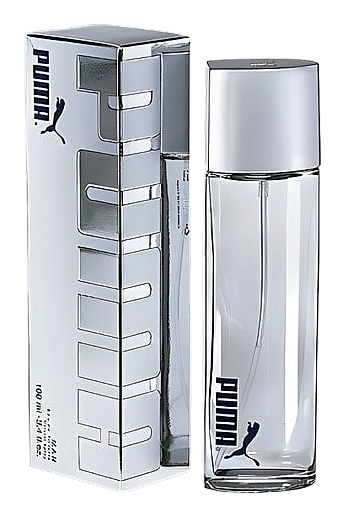
Puma entered the fragrance market in 2002 alongside Puma Woman, the German sportswear brand extending its athletic identity into personal scent. No heritage perfumery. No precious ingredients. Just the same principles as the running shoes: make something that works, sell it at a fair price. Puma Man was designed for the man who measures confidence in motion rather than status markers. Nathalie Gracia-Cetto built a composition that performs honestly, no ceremony, no pretense. The 2002 fragrance landscape was saturated with aquatic fougères and mass-market fresh orientals. Puma Man staked its territory differently: sporty in origin, warm in drydown, approachable without being forgettable. It was discontinued eventually, which happens to fragrances that don’t reinvent themselves. But the formula itself still holds.
The combination of lavender and allspice in the heart is the quiet decision that makes Puma Man interesting. Lavender signals “sporty clean” immediately, it’s the aromatic fougère vocabulary that has defined masculine freshness since the 1970s. But pairing it with allspice (pimento) introduces warmth and a slight kick that keeps the composition from reading as merely soapy. In 2002, most mass-market masculine fragrances leaned one of two ways: aggressively aquatic or safely woody. The lavender-allspice heart offered a middle register, fresh enough for daily wear, warm enough to have personality at night. That balance is harder to execute than it sounds. Too much lavender and you’re in deodorant territory.
The evolution
Lime and juniper arrive first, bright, sharp, green. They announce themselves without apology, cutting clean through the air around you. Bergamot softens the edge slightly, adding a citrus roundness that keeps the opening from being harsh. This phase lasts roughly 20 to 30 minutes before the citrus begins to recede. Then the heart takes over. Lavender emerges as the dominant voice, but the allspice doesn’t disappear, it warms the herbal edge and adds a subtle spiced quality that lifts the composition away from straightforward clean freshness. Freesia sneaks in with a quiet floral sweetness that most wearers don’t consciously notice but that keeps the heart from feeling too masculine in the old-fashioned way. This phase carries the fragrance for the next two to three hours. The leather arrives late. It’s never the loudest element, but it’s the one that changes everything. Paired with oakmoss, it gives the drydown an organic, slightly earthy quality that feels worn rather than polished. Musk rounds the composition into something skin-close and intimate.
Cultural impact
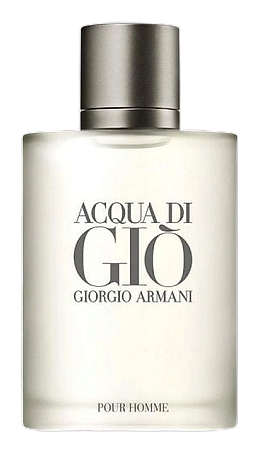
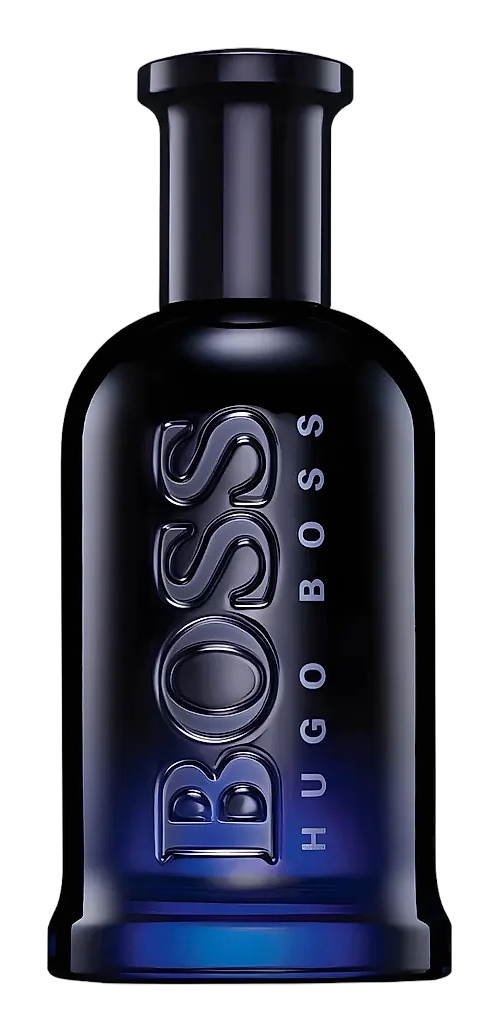
Puma Man belongs to a specific 2002 moment: the mass-market masculine fragrance category was dominated by sporty fresh compositions, and brands like Hugo Boss, Davidoff, and Giorgio Armani defined what “accessible masculinity” smelled like. Puma Man entered that conversation without pretension, a sporty fougère with warmth in its drydown, positioned at an accessible price point for the man who wanted something reliable and honest over something showy. It found its audience in daily wear rather than special occasions, earning its keep through consistency rather than complexity. The fragrance was discontinued, which is the natural fate of mass-market releases that don’t reinvent themselves.