The Story
Why it exists.
The beginning
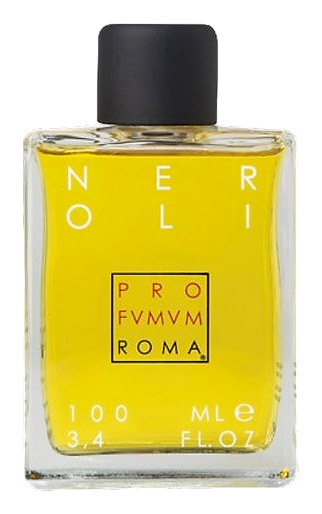
Neroli launched in 1998, early in Profumum Roma's run. An entire orange tree distilled into a bottle wasn't a concept to them. It was a memory. The bitterness of the bud, the brightness of the flower, the green snap of the leaf, the wood underneath. They wanted all of it, not just the pretty top. The formula had the density to carry every layer from first spray to last. The opening is almost confrontational, a bitter orange bud sharpness that reads more medicinal than pretty, more bark than citrus. Then the neroli and orange flower arrive and the picture shifts.
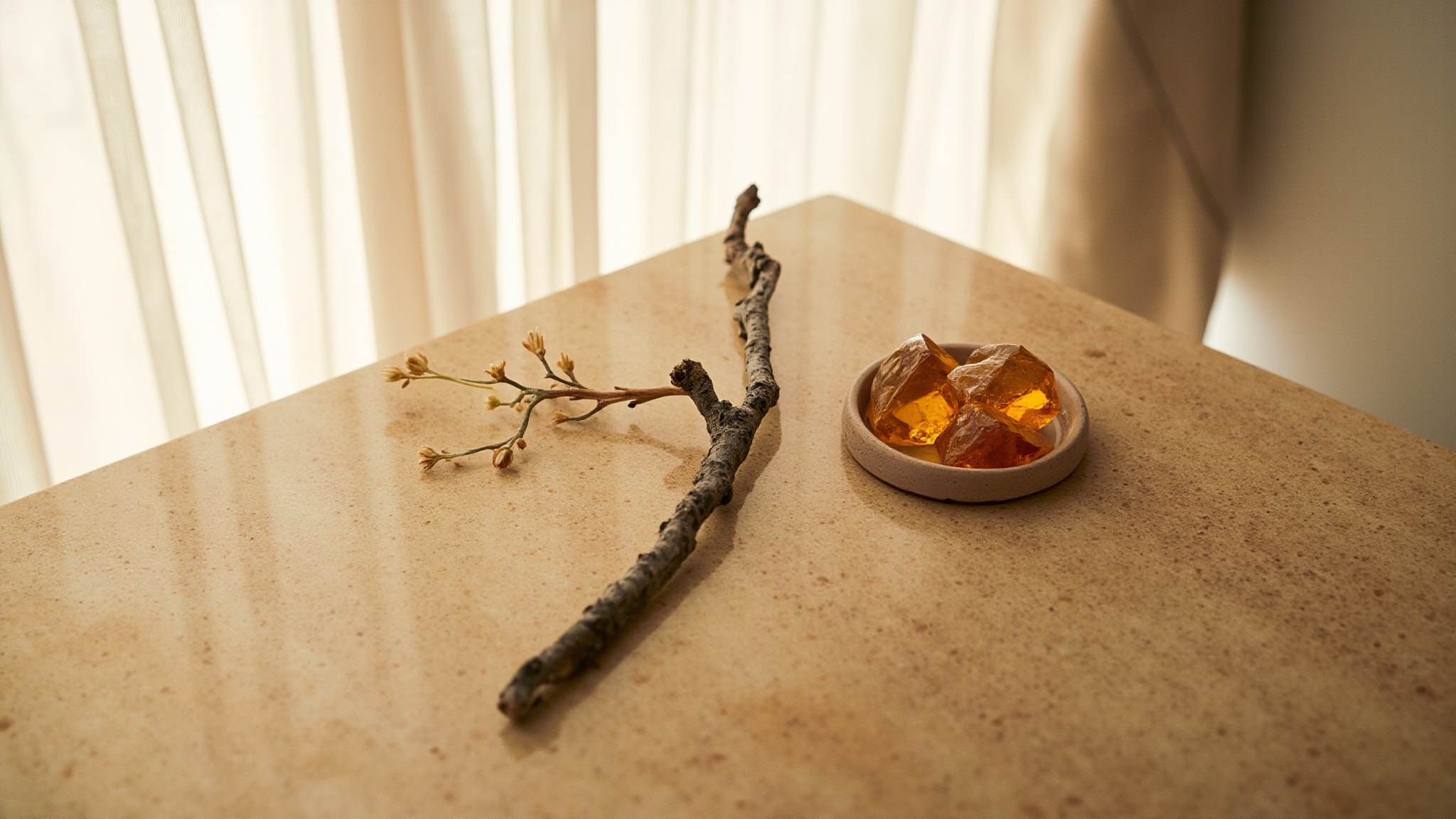
Profumum Roma went further. The composition includes bitter orange bud for that sharp opening bite, petitgrain for the twig-and-leaf green, African orange flower for the indolic sweetness, myrrh to pull the whole thing toward resin and incense, and orange tree wood as a base. It's the full tree. The myrrh and the wood ground the composition, refusing to let the bright notes evaporate on schedule. The interplay between these materials gives the fragrance its unusual architecture.
The evolution
The first fifteen minutes are almost confrontational. Bitter orange bud opens with a sharpness that reads more medicinal than pretty, more bark than citrus. It's bracing, the kind of opening that demands attention rather than offering easy charm. Then the neroli and orange flower arrive and the picture shifts. The white floral sweetness comes through but it doesn't dominate because petitgrain keeps tugging things back toward green, and myrrh is already threading underneath, adding a resinous hum that makes the florals feel heavier than expected. The green from the petitgrain has a twig-and-leaf quality, slightly bitter, slightly herbal, like crushing a stem between your fingers. The myrrh brings a dusty, almost medicinal warmth that gives the florals gravity they wouldn't have on their own. As the composition develops, it settles into something warmer, almost oriental.
Cultural impact
Neroli by Profumum Roma has earned a dedicated following among enthusiasts who appreciate its unconventional treatment of the orange blossom theme. The fragrance appeals to those drawn to its unusual structural choices, particularly the myrrh-and-wood base that extends its wear time well beyond what most citrus-forward compositions typically achieve. Collectors often cite it as a reference point when discussing neroli-centered fragrances that prioritize complexity and longevity over sheer brightness, making it a touchstone in conversations about how a single botanical source can be reimagined through careful composition.