Bitter Orange Bud
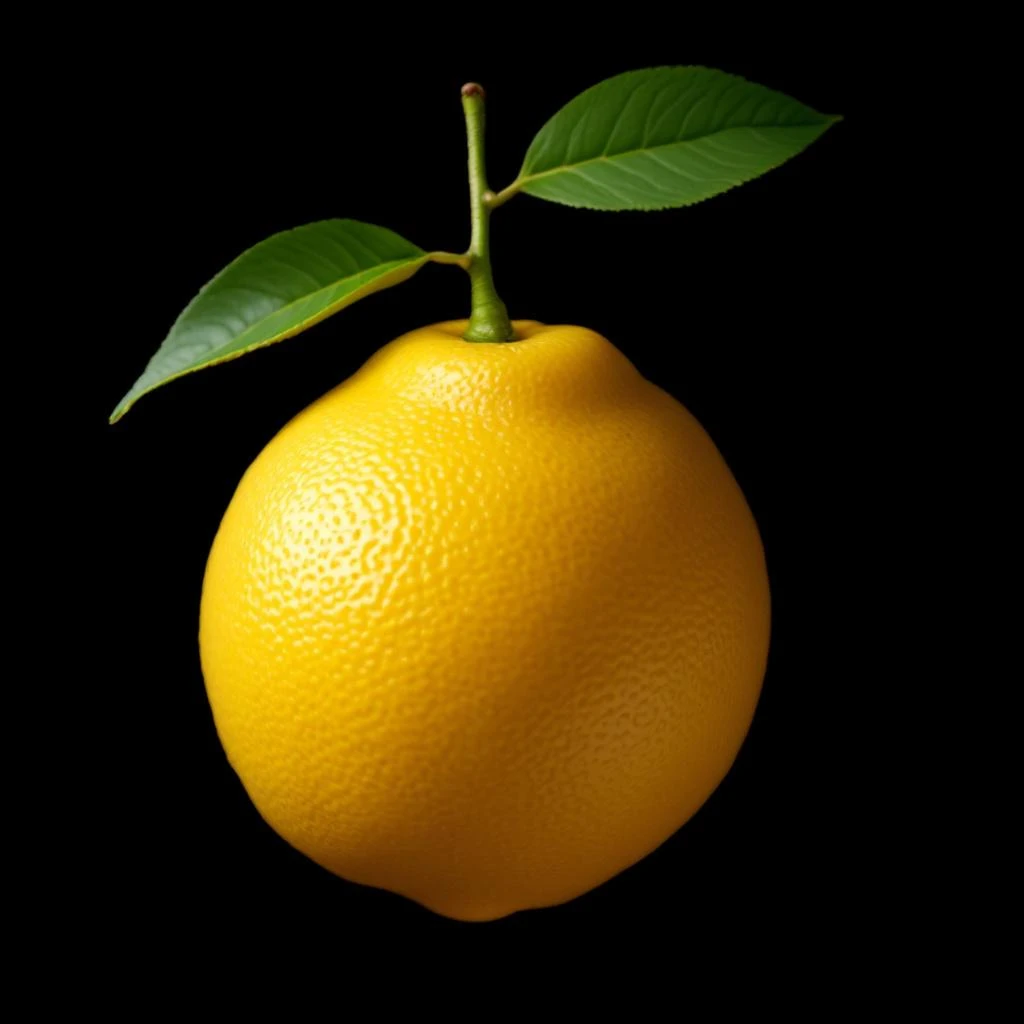
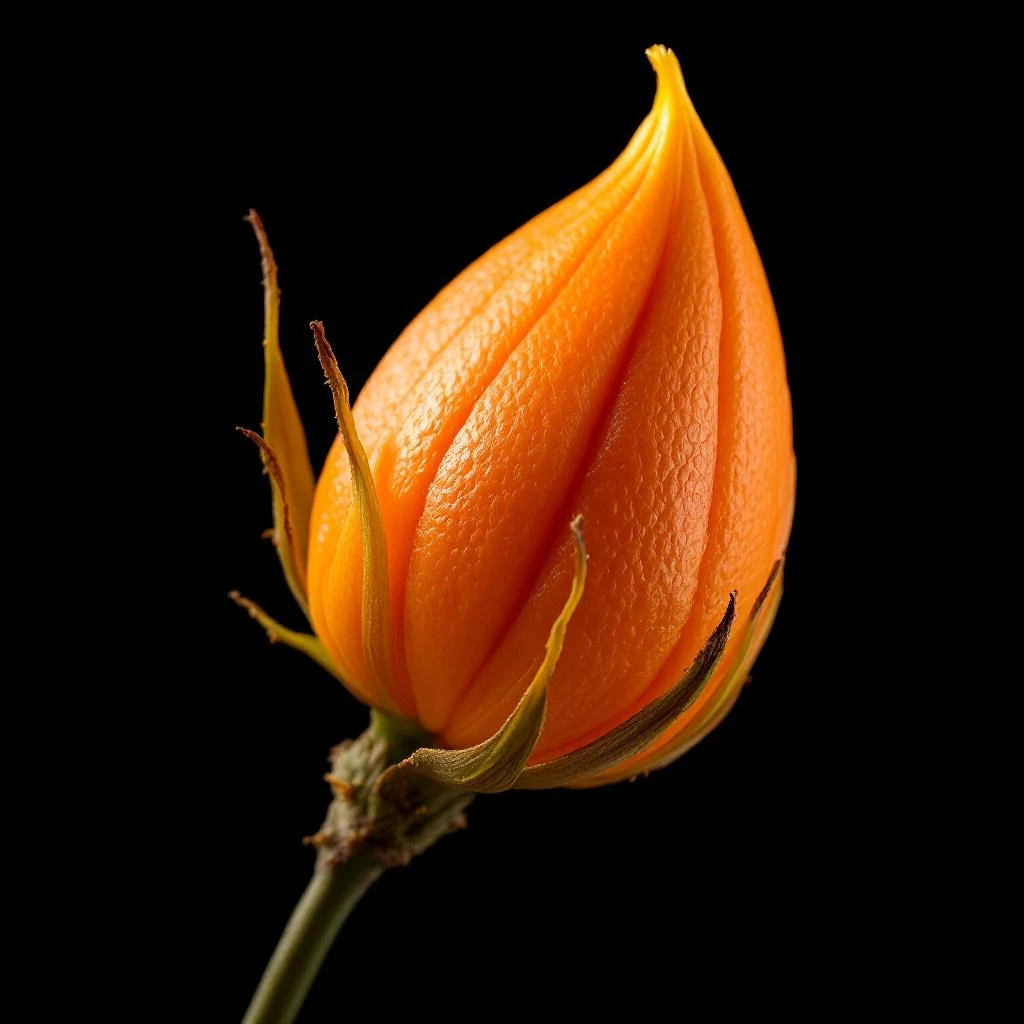
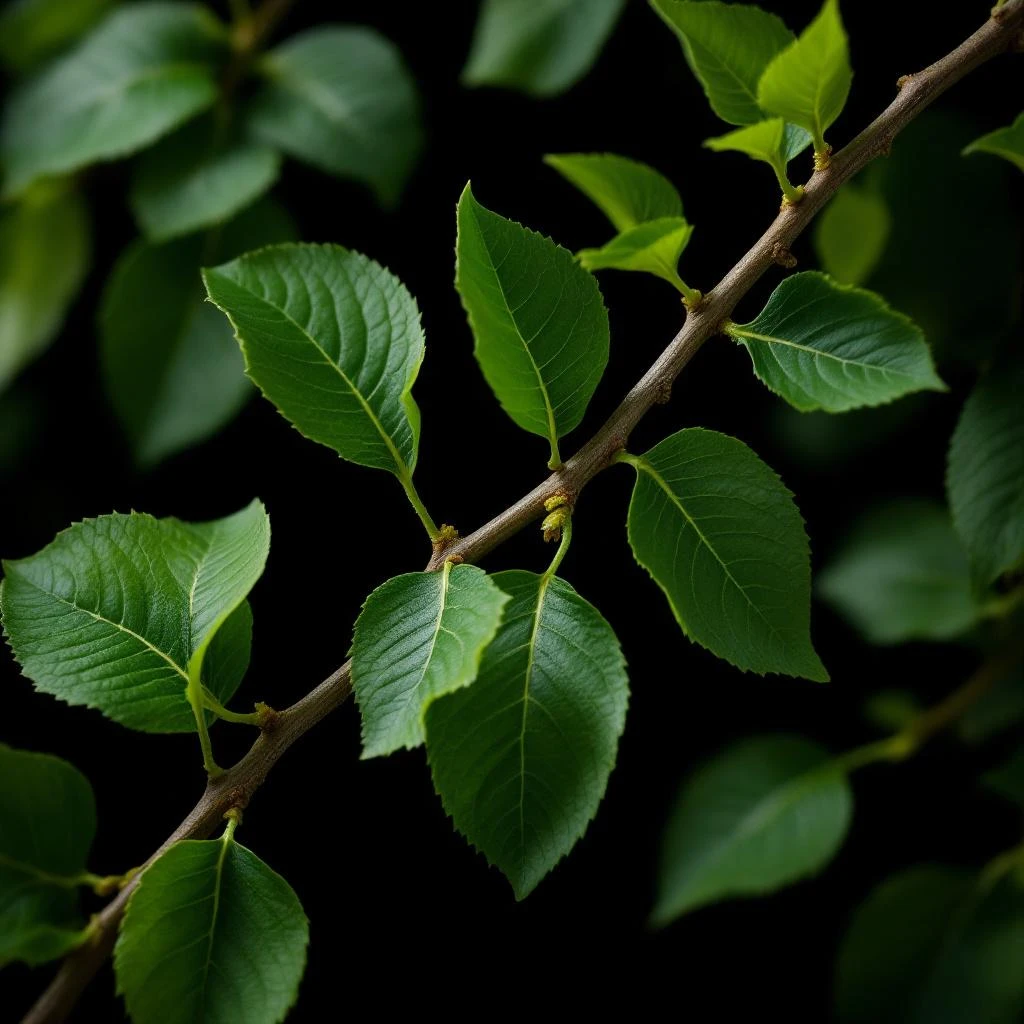
Bitter orange bud captures the earliest expression of Citrus aurantium—the unopened flower bud before it blooms into white waxen petals. This green-citrus note delivers an herbaceous, slightly bitter freshness with a subtle floral undertone that perfumers prize for its restraint and complexity, standing apart from the sweeter, fuller orange blossom it precedes.
Character
How it smells
The bitter citrus note that perfumers call restraint.
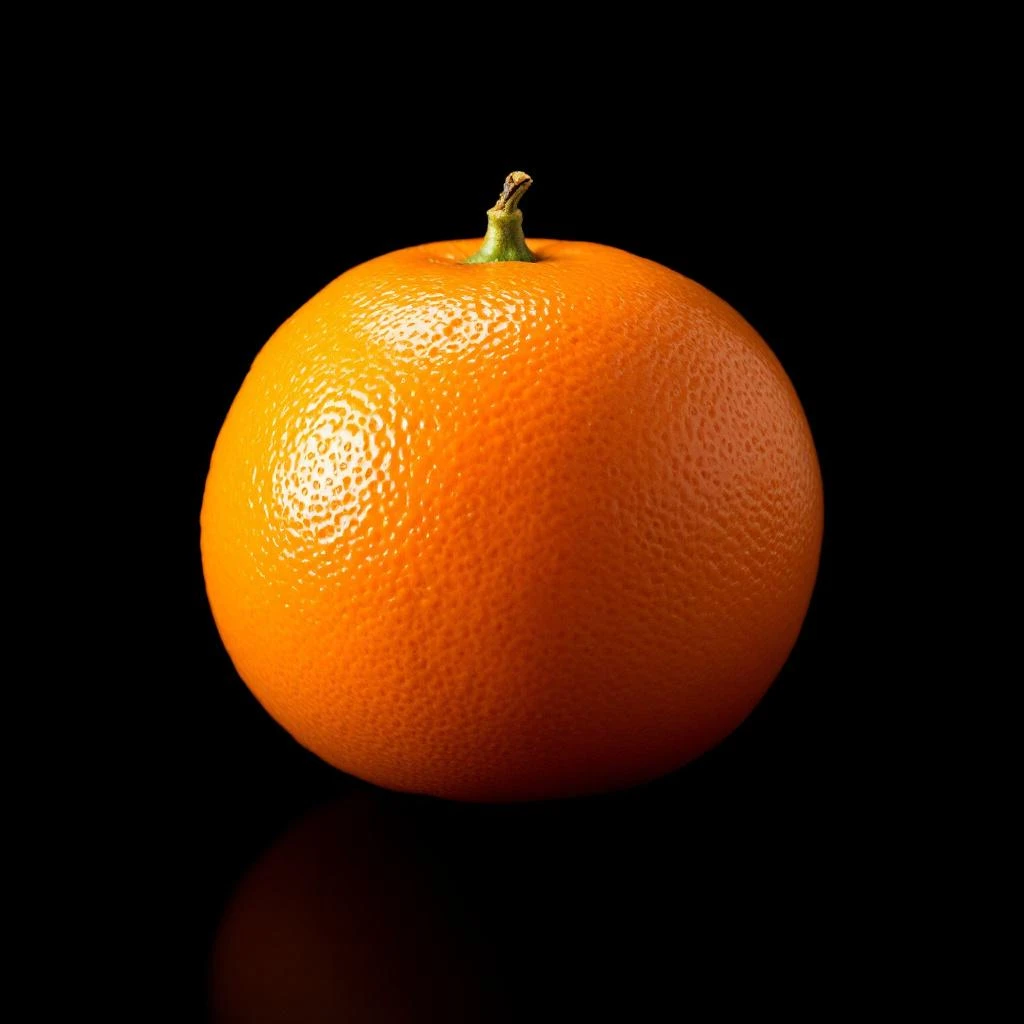
The bitter orange tree yields five distinct fragrance materials: neroli, orange blossom absolute, petitgrain, orange oil, and its bud, each with a different aromatic character.



Origin
India
Bitter orange originated in northeastern India and certain regions of China and Myanmar, spreading to the rest of the world by the 1st century CE. The Crusaders were the first to carry bitter orange seeds westward from Asia, introducing the tree to Syria, Egypt, and eventually the Mediterranean.
Spain's Seville region became famous for its bitter orange groves, lending the fruit its alternate name, the Seville orange. The tree itself was considered a symbol of good fortune and bridal purity in Moorish culture, planted extensively in Andalusian gardens.
Today, the bitter orange remains one of the most versatile botanical sources in perfumery, with the flower bud representing its most restrained, anticipatory aromatic expression. Its spread across continents mirrors the history of trade routes, from Silk Road caravans to Iberian orchards.
Wears it best
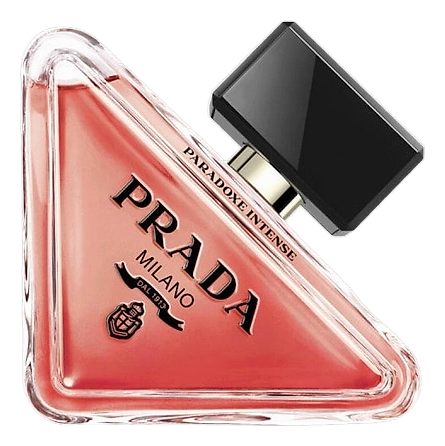
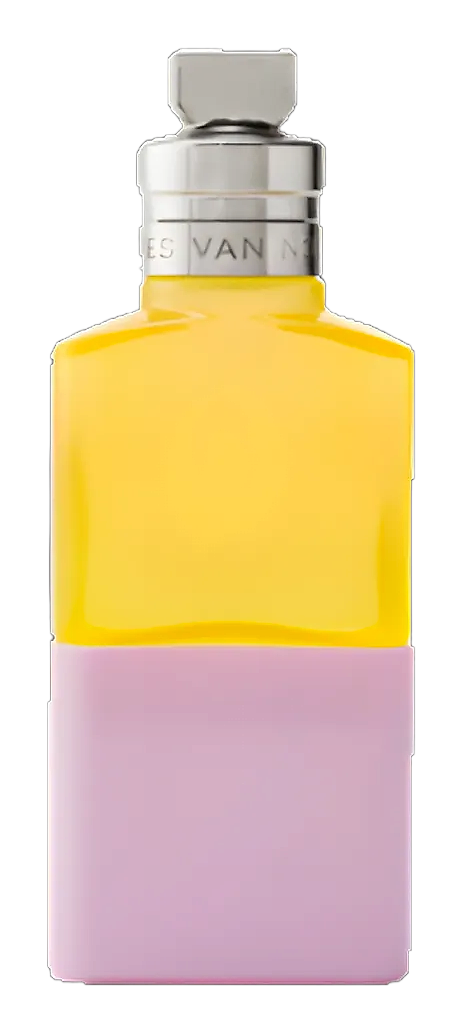
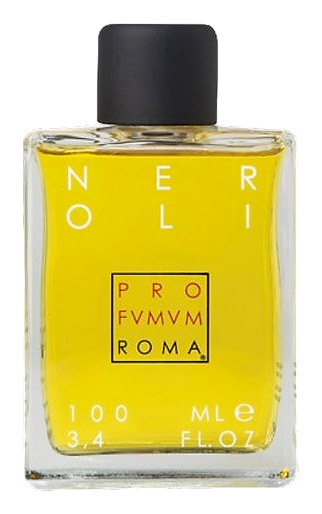
Fragrances featuring Bitter Orange Bud
Brands
Brands known for Bitter Orange Bud
Good to know
Questions, answered
The essentials on Bitter Orange Bud in perfumery: how it smells, where it comes from, and how it behaves on skin.
What does bitter orange bud smell like?
Bitter orange bud carries a green-citrus scent with herbaceous, slightly bitter qualities and a restrained floral undertone. It smells fresher and more austere than the sweet orange blossom that follows once the flower fully opens.
Is bitter orange bud different from orange blossom?
Yes. Orange blossom comes from fully open flowers, offering a sweet, heady floral scent. Bitter orange bud is harvested before blooming, producing a greener, more astringent aroma with citrus freshness and less sweetness.
Where does bitter orange originate?
Bitter orange (Citrus aurantium) traces back to northeastern India and regions of China and Myanmar, spreading westward by the 1st century CE through trade routes and later via Crusaders.
What products come from the bitter orange tree?
One tree yields multiple perfume materials: petitgrain from leaves, neroli from steam-distilled flowers, orange blossom absolute from open flowers, orange oil from cold-pressed peel, and the bud note itself.
What fragrance families use bitter orange bud?
Perfumers employ bitter orange bud in eau de Colognes, chypre compositions, and floral fragrances where a crisp, fresh-green citrus lift adds contrast and longevity to the top accord.
Does bitter orange bud appear in men's or women's fragrances?
Bitter orange bud functions as a unisex bridge note. Its fresh, slightly bitter quality suits men's colognes, while its subtle floral depth integrates well into women's florals.
What seasonal fragrances use bitter orange bud?
Bitter orange bud shines in spring and summer fragrances. Its green-citrus freshness provides an airy, uplifting quality suited to warmer months when light, clean compositions dominate.
Is bitter orange bud a natural or synthetic ingredient?
Bitter orange bud exists as a natural material when derived from hand-harvested Citrus aurantium flower buds via solvent extraction or steam distillation. Reconstructed naturals also appear in perfumery for consistency.