The Story
Why it exists.
The beginning
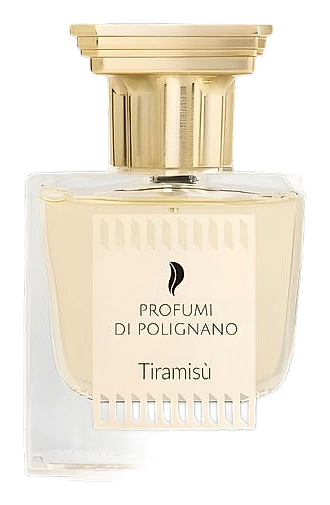
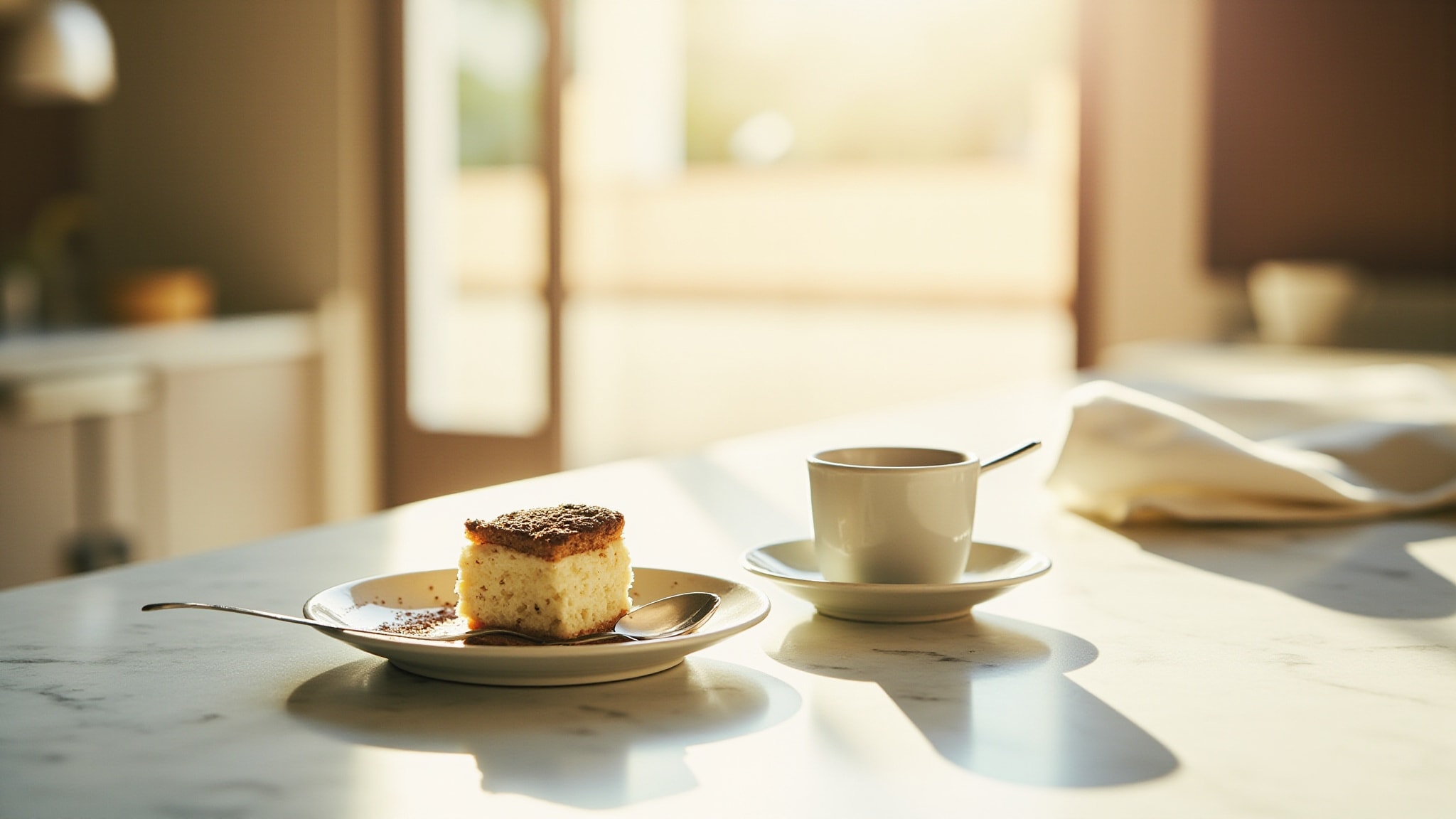
Tiramisù, the dessert. Mascarpone, espresso, ladyfinger biscuits, a dusting of cocoa. It is one of Italy's most recognizable exports, a dessert that carries the weight of kitchens, late nights, and indulgence. Simone Lo Bue translated it. Not as a novelty or a stunt, but as a genuine olfactory exercise. The result is a fragrance that wears its inspiration openly, built around the same structure as the dessert itself: a bright opening, a rich heart, a warm base that lingers.
The composition mirrors the dessert's architecture. Bitter orange and frangipani open, citrus that bites, florals that soften. Then the heart: butter, sugar, milk. This is where Tiramisù becomes distinctively lactonic. The butter note brings richness without heaviness. Milk adds cream. Sugar sweetens without cloying. Together, they create the edible warmth that defines the heart. The base settles into vanilla, biscuit, and white musk. Vanilla and biscuit are warm, edible, and slightly sweet. White musk keeps everything clean, soft and close to the skin, never heavy. This is not complex perfumery. It is straightforward, ingredient-focused, and it does exactly what it sets out to do.
The evolution
The opening hits first. Bitter orange arrives bright and sharp, citrus that cuts through the sweetness before it even starts. Frangipani follows quickly, tropical and soft, bridging the sharp and the sweet. The heart takes over within minutes. Butter and milk blend together, warm and lactonic. Sugar sweetens the cream without pushing into cloying. This is the edible part, the part that makes people stop and ask what you're wearing. The drydown belongs to vanilla and biscuit. Warm, sweet, and just slightly powdered. White musk keeps it clean and close. This is the intimate part, the part that stays with you through the evening, often found again the next morning on fabric. Vanilla and cream, still present, like the memory of something sweet that refuses to fade.
Cultural impact
Tiramisù sits comfortably in the gourmand category, where it distinguishes itself through restraint and Mediterranean sensibility. Rather than leaning on sugar or caramel overload, the Italian house keeps the sweet-cream balance close to the skin, intimate, warm, and persistent. The fragrance has become a conversation piece among enthusiasts who recognize it as something genuinely wearable rather than novelty. Wearers describe it as the scent of someone who walked into a room and made people ask what it was.