The Story
Why it exists.
The beginning
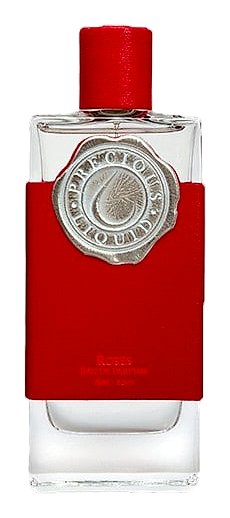
Roses arranges its formula around a single premise: bring together two of perfumery's most storied rose origins and let the rest of the structure step back. Bulgarian rose carries depth, with that slightly waxy, almost bitter edge that distinguishes it from its sweeter counterparts. The addition of Rosa centifolia introduces a lusher, more luminous facet, the kind of dewy petal impression Grasse is known for. The brand calls the result precious. The bottle calls it quiet. What's clear from the composition itself is a deliberate restraint, a refusal to overwhelm the central accord with competing top notes or base-heavy anchors. The green notes listed in the formula do their work in the background, lifting the florals without announcing themselves.
Roses built around Bulgarian and Grasse materials makes a deliberate compositional choice. The two sources fight in interesting ways. Bulgarian runs darker, with a density that feels resinous, and carries enough natural depth to keep the accord from collapsing into pure sweetness. Grasse leans softer and more rounded, offering a petal impression that fills in the space the Bulgarian leaves open. Together they create a tension that neither could achieve alone.
The evolution
Roses opens on skin with the green rising first, almost before the florals register, like stems and leaves more than the bloom itself. The Bulgarian rose steps forward once the opening settles, and there's a cool, slightly waxy quality to it, carrying a faint bitterness that keeps the sweetness from tipping over. The Grasse material settles in underneath, rounding the edges and adding a softer, almost dewy dimension to the sharper Bulgarian. As the green recedes, the heart reads as a single warm rose accord, unified rather than layered. Musk arrives quiet, more felt than identified, lending an intimacy that makes the fragrance feel less applied and more inhabited. The drydown is where this earns its staying power. Australian sandalwood and amber settle in as the foundation firms up, and the Bulgarian rose persists as a ghost, more suggestion than statement.
Cultural impact
Roses occupies a quiet corner of the rose fragrance conversation. It doesn't try to outflank the louder names in the category, nor does it chase the kind of projection that generates immediate attention. The composition reads as confident and composed, the kind of release that appeals to wearers who already know what they want from a rose. Within fragrance communities, Roses gathers recognition for its note composition and restraint rather than for performance metrics. The feedback tends toward appreciation of the dual-rose structure and the way the supporting notes recede appropriately.