The Story
Why it exists.
The beginning
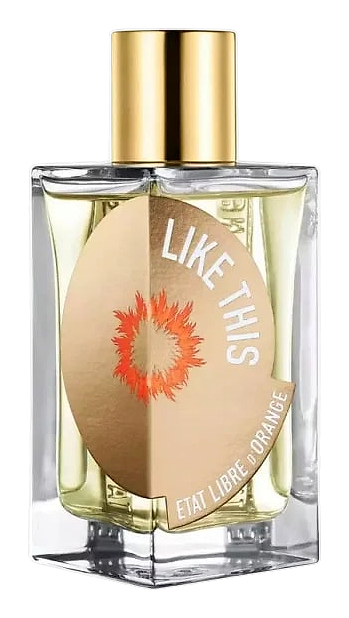
The name carries a quiet provocation, taken from an alternate title associated with Tilda Swinton, and the fragrance leans into that spirit without ever settling into a portrait. It's not built around glamour or costume or any of the usual signifiers of celebrity fragrance. What the house offered instead was an act of permission. The brief, as the perfumer understood it, asked for comfort as identity, a scent that treats intimacy as a form of self-expression rather than performance. That reframing shapes everything that follows in the bottle, from the materials chosen to the way the composition moves on skin. The result is less an impression of a person than an impression of a feeling, the olfactory equivalent of a room where you're finally allowed to take your shoes off.
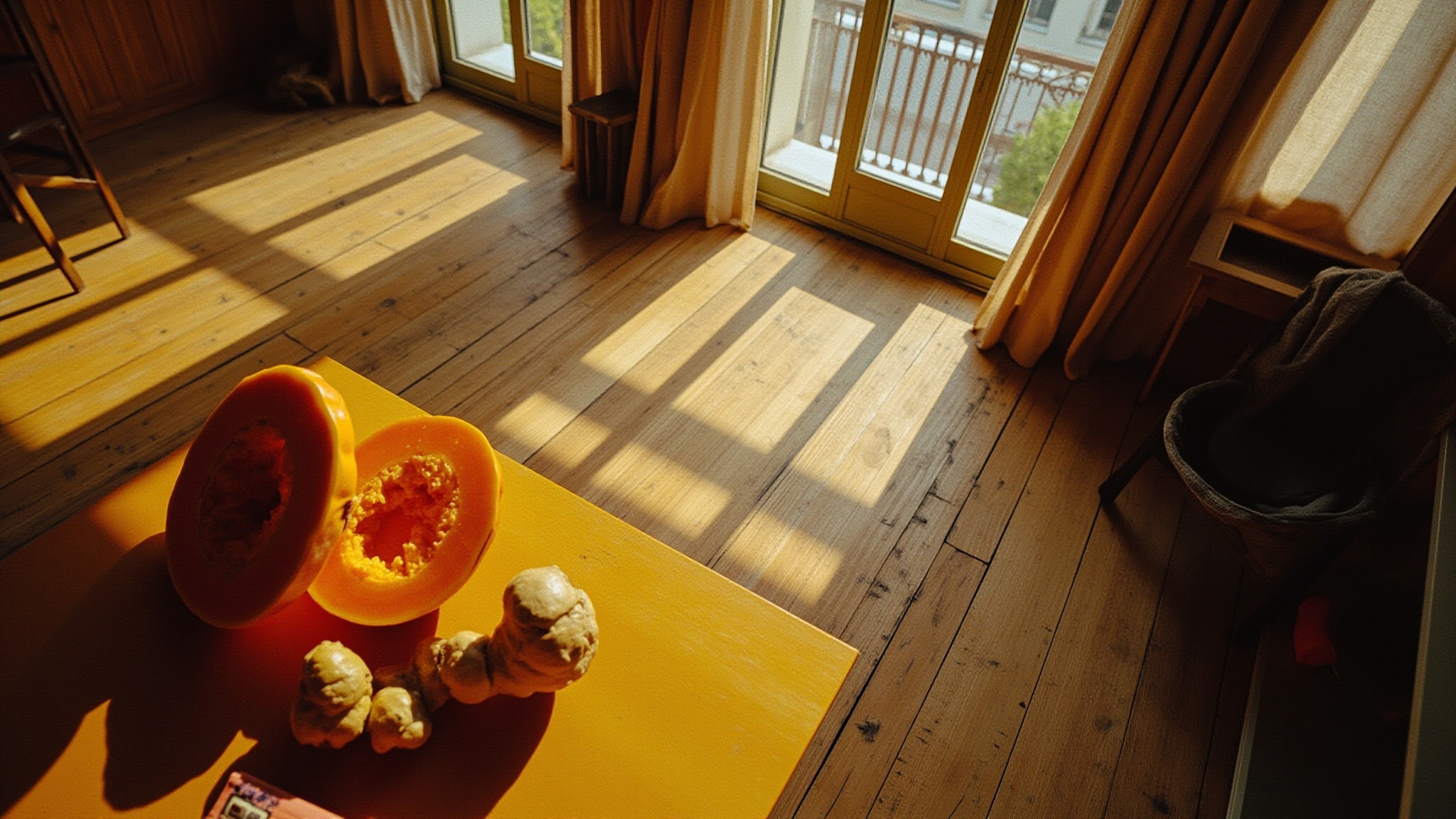
The structure is deceptively simple, three top notes, three hearts, three bases, but the materials do heavy lifting. Pumpkin reads here not as a latte spice but as something closer to candlelight on skin, round and faintly sweet. Immortelle brings the maple-caramel warmth that most gourmands chase with vanilla but never quite catch. And ginger does the unexpected work of keeping the whole thing from going soft, a clean heat that says cozy without saying quaint.
The evolution
The opening arrives almost edible. Mandarin lifts the pumpkin off the skin, ginger snaps behind, and for the first ten minutes the fragrance reads like the first few pages of a novel set on a porch, easy and unhurried. Then immortelle walks in and the story changes registers. The maple-like sweetness of that flower takes over the middle hour, deepened by rose and softened by neroli, and the composition stops being about food and starts being about intimacy. There's a moment, somewhere around the second hour, when the florals stop announcing themselves and just settle into the skin, and the fragrance becomes less about what it smells like and more about how close someone would need to be to catch it. The drydown is where the real trick happens.
Cultural impact
Like This occupies an unusual position in the Etat Libre d'Orange catalog. The brand has built a reputation on fragrances that ask questions rather than answer them, compositions that treat scent as a form of writing, and then it released something tender. That shift registers less as a departure than as an expansion of what the house is willing to attempt. It proved that the creative language of the brand could accommodate warmth without losing its intellectual edge, that sincerity and experimentation can share a bottle.