The Story
Why it exists.
The beginning
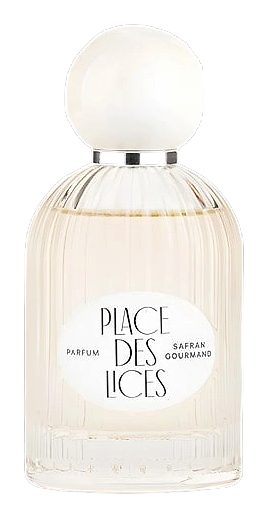
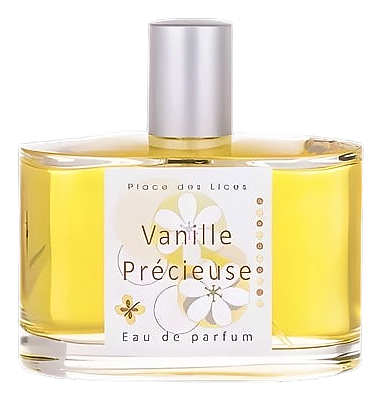
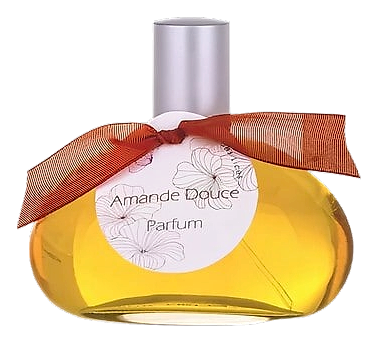
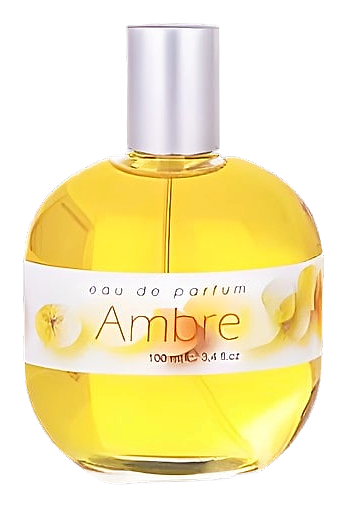
Ambre arrived from Place des Lices, a house rooted in the French Riviera and Provençal tradition. The house aims to express all the charm of the French Riviera through its compositions, and Ambre marks its turn toward the warmer end of the spectrum. Marie Duchêne, the perfumer behind it, built the scent around amber as both heart and base, a double anchor that gives the whole composition its center of gravity. The opening, bergamot and vanilla blossom, is the lightest part of the structure. Everything after that pulls downward into warmth. The heart layers amber with heliotrope, tonka bean, and white musk, and the base anchors the whole thing with amber again, supported by patchouli, vetiver, and cedarwood.
What's unusual here is the amber split, present in both the heart and the base. The heart's amber reads softer, almost powdery where it meets the heliotrope's almond-like sweetness, while the base amber sits deeper, grounded by patchouli and vetiver. That structural choice means the fragrance never fully resolves into one register. The tonka bean and white musk in the middle do the bridging work, sweet enough to soften the transition, clean enough to keep it from collapsing into pure resin.
The evolution
The first minutes set a tone that reads lighter than what follows, almost polite. Bergamot and vanilla blossom open with a brightness that doesn't last long. Then the amber shows up and the whole thing shifts registers. Heliotrope enters with a powdery almond-like sweetness that settles over the skin, and the tonka bean underneath starts pushing warm and hay-like. The white musk wraps it all in something clean, which keeps the heart from going too dense. Eventually the top notes fade entirely. What remains is amber, patchouli, vetiver, and cedarwood, the base dominating now. The patchouli here carries an earthy character that grounds the resin without overwhelming it. The vetiver adds a dry green edge that prevents the drydown from going too heavy. In the late hours, the cedarwood becomes the most prominent voice, a clean woody murmur under everything else.
Cultural impact
Ambre represents the house's movement into warmer, more resinous territory, building on a catalogue that earlier leaned toward citrus and floral compositions. It sits firmly in the amber family, and the bergamot opening gives it a brighter entry than many ambers offer. That balance between bright citrus and deep resin makes it approachable for wearers curious about amber-heavy compositions without wanting pure sweetness. The scent wears comfortably across different settings, from casual daytime to evening, because the top keeps it from feeling too dense.
The House
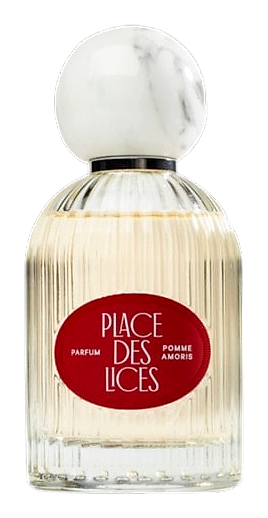
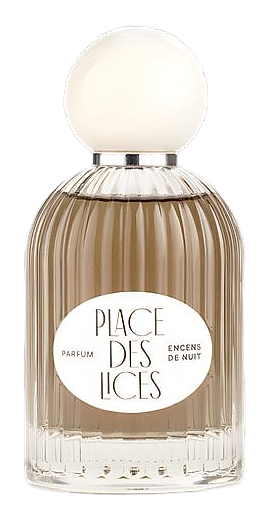
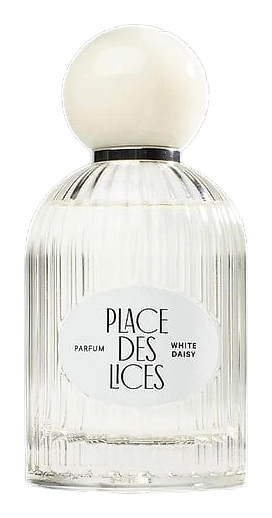
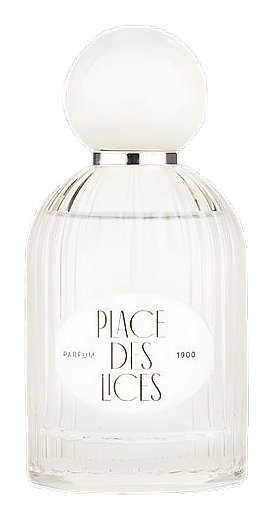
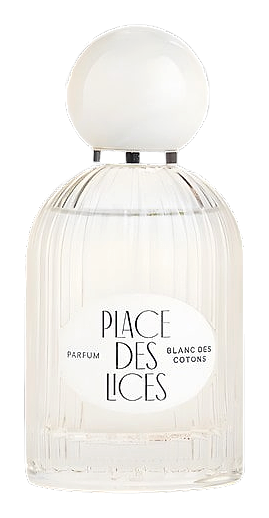
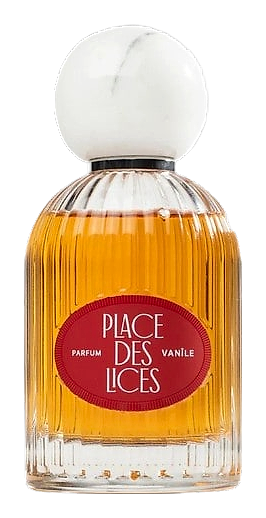
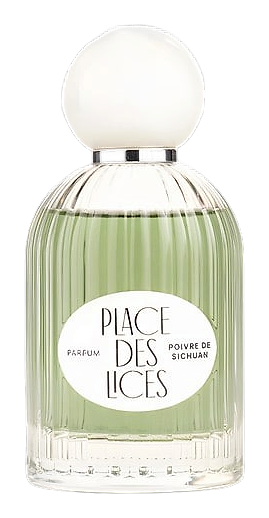
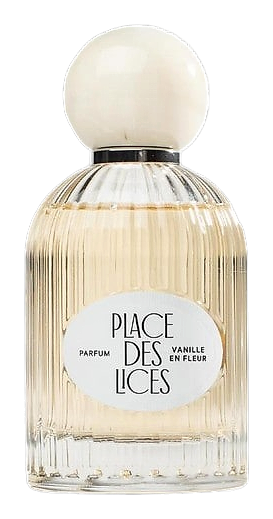
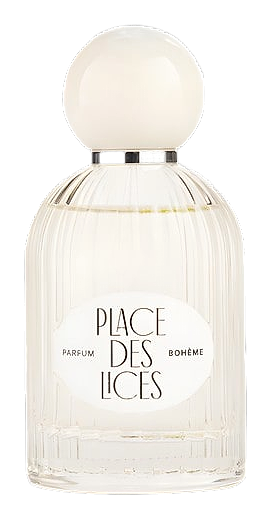
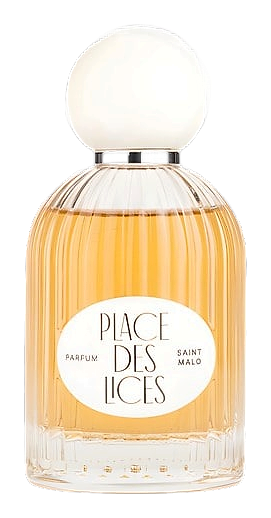
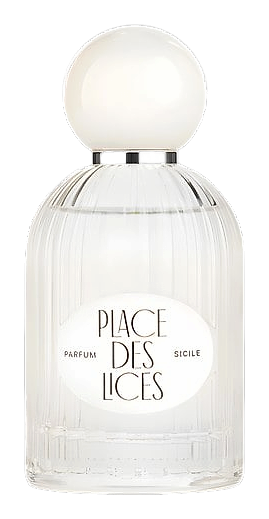
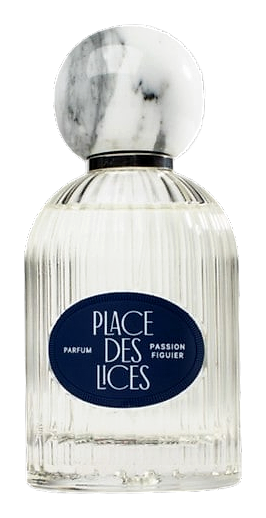
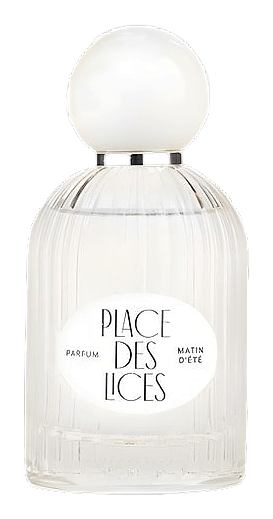
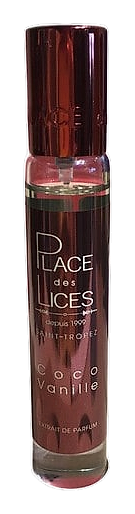
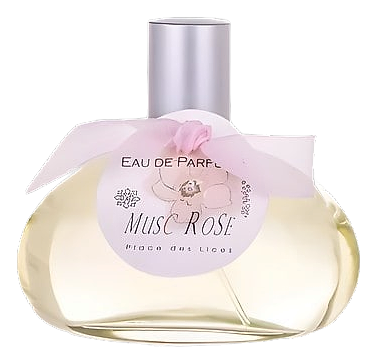
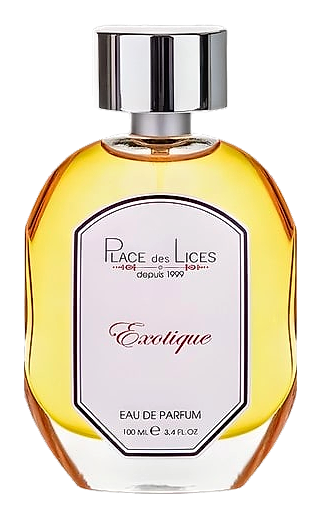
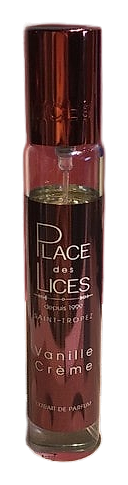
Place des LicesPlace des Lices creates fragrances that echo the light of the French Riviera. Based in Grasse, the historic perfume capital, the house draws on Provençal gardens, sun‑kissed beaches and the rhythm of coastal towns. Its catalogue includes scents launched between 1999 and 2023, such as Matin d’Ete, Vanille Crème and Passion Figuier. Each bottle offers a concise portrait of a place, a season or a memory, inviting wearers to carry a fragment of the Riviera on their skin.
The Creator
Marie DuchêneMarie’s style leans toward naturalism, favoring botanical absolutes, fine woods, and delicate florals. She often begins with a single heart‑note—lavender, rose, or jasmine—then builds a supporting structure of citrus top notes and soft musks.