The Story
Why it exists.
The beginning
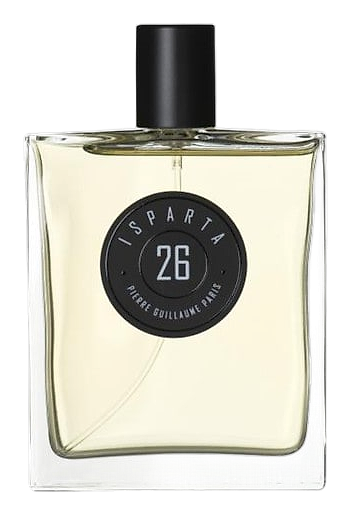
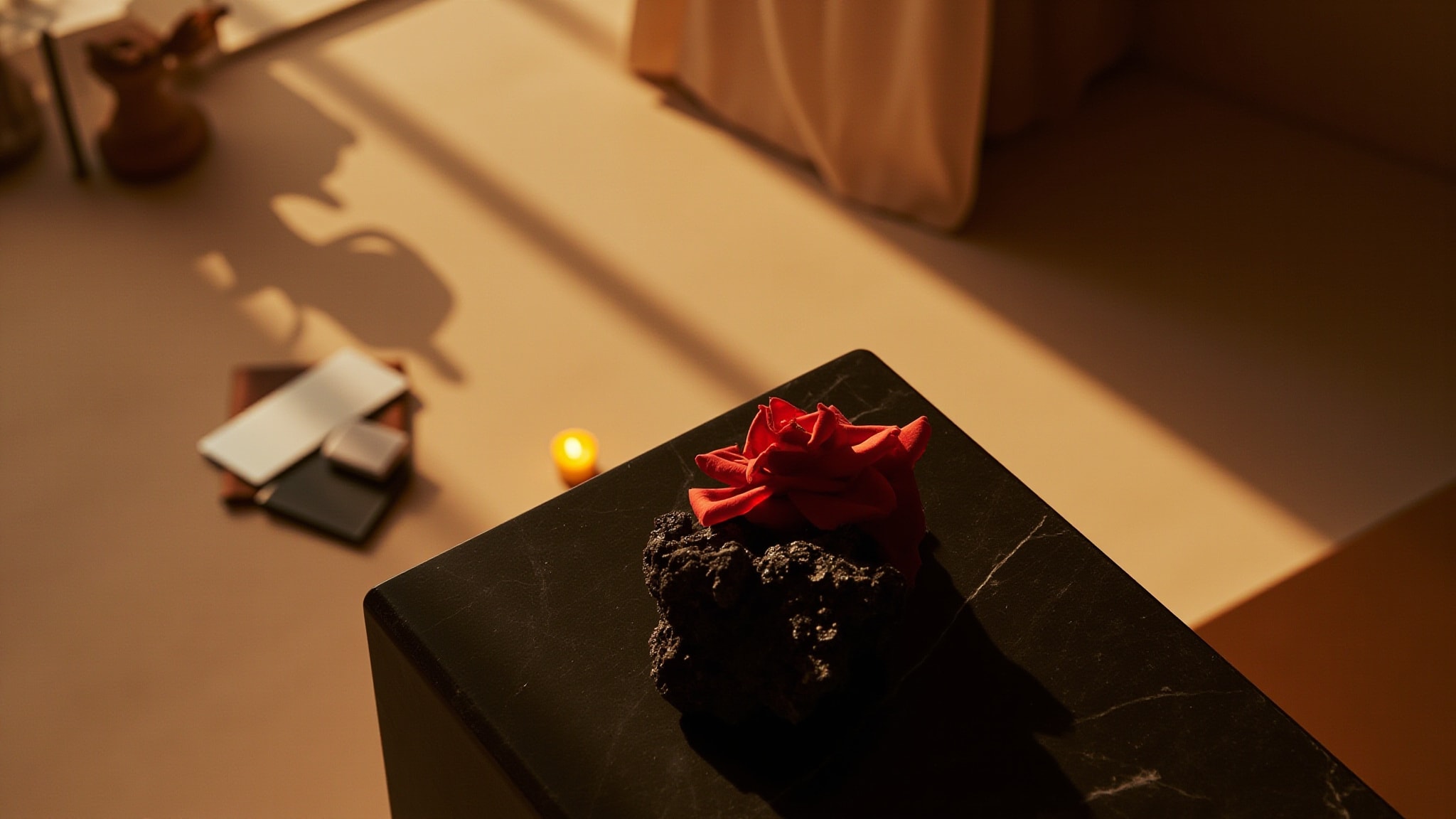
Isparta is a province in southwestern Turkey where rose cultivation has shaped the landscape for centuries. The Summer Roses of Isparta grow on gentle mountain slopes, picked early in the morning when they're half-open and their scent is at its most potent, intense, rich, slightly spicy. The region's reputation for rose oil production is not accidental; the terrain and timing matter. Pierre Guillaume built this fragrance around Turkish rose absolute as its defining material, translating that specific terroir into a composition that carries the weight of place.
What makes Isparta 26 distinctive is how the rose and the resins share the composition rather than taking turns. Red berries amplify the fruity opening while the base, agarwood, frankincense, benzoin, anchors the whole thing in smoke and warmth. The ambroxan extends the drydown without adding sweetness. It's a rose that didn't wait for permission to get complicated, and the result is a fragrance that stays interesting long after the first spray.
The evolution
The opening announces itself quickly, Turkish rose absolute and red berries in concert, bright and almost tart. Within the first hour, the fruity element begins to recede while patchouli and Peru balsam move forward, bringing earthy, balsamic depth that shifts the energy from playful to grounded. By the second hour, the resins arrive: frankincense and oud form the skeleton of what follows. The drydown is where Isparta earns its reputation. Agarwood and benzoin create a smoky warmth that lingers on skin for eight to ten hours. The moss and ambroxan keep it close, intimate, the kind of presence that someone standing beside you will notice before you announce yourself.
Cultural impact
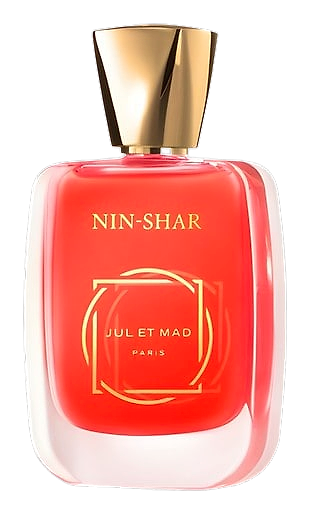
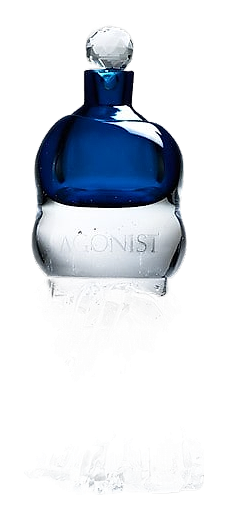
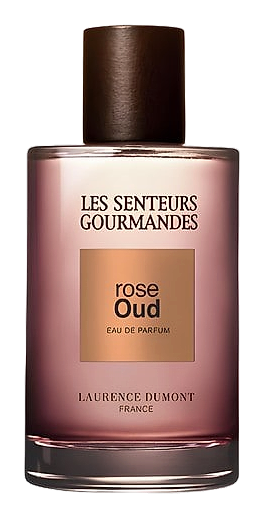
Community reviews on enthusiasts note comparisons to Portrait of a Lady by Editions de Parfums Frédéric Malle, Nin-Shar by Jul et Mad, Dark Saphir by Agonist, and Rose Oud by Les Senteurs Gourmandes, placing Isparta 26 within a lineage of rose-resin compositions that appeal to collectors seeking complexity without opacity. The fragrance occupies a specific position: fruity enough to invite, resinous enough to reward attention.