The Story
Why it exists.
The beginning
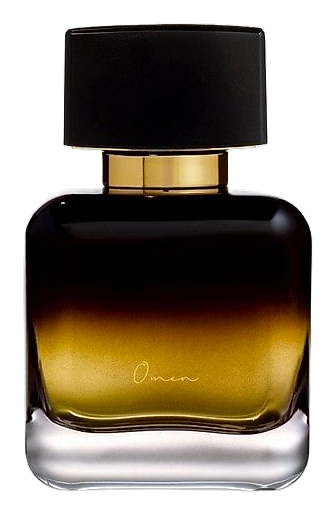
Omen arrived in 2018, the brief simple and not simple at all: capture foreboding. Not the cheap kind, not thunderclap prophecy. The quieter dread, the prick at the back of the neck when something shifts in a familiar room. Bertrand Duchaufour took the commission and built toward the feeling rather than the word. The result is a woody chypre that opens bright and almost playful, then tightens around you like weather changing. That opening brightness comes from aldehyde and green mandarin, a flash that reads almost citrus at first, before the spices push through and the whole thing tilts darker. Black pepper and white pepper sharpen the accord, labdanum pulls it toward resin, and cinnamon with saffron adds warmth without sweetness.
What makes Omen structurally unusual is how much Duchaufour piles into the opening without losing the plot. Aldehydes, two peppers, cinnamon, saffron, green mandarin, and labdanum all hit within the first few minutes. Most compositions would buckle under that load. Here the aldehydes act as scaffolding, holding the spices in suspension until the heart arrives. Tea and spikenard introduce a meditative quality, an herbal hush before the base takes over. The rose absolute is restrained enough to read as atmosphere rather than statement. It's a composition that earns its complexity through restraint at key moments.
The evolution
The first fifteen minutes belong to aldehyde, almost metallic, backed by cinnamon and saffron that read warm rather than sweet. Black pepper and white pepper sharpen the edges, and labdanum pulls everything toward resin before the green mandarin has fully introduced itself. By the thirty-minute mark the spices have settled into something more upholstered. Peony softens what the peppers roughened. Rose absolute arrives not as a bloom but as a suggestion, dusty and slightly bruised. Tea and spikenard lend an herbal gravity, like incense smoke in a closed room. The base doesn't arrive so much as accumulate. Cedarwood, sandalwood, and patchouli form a woody trestle. Oakmoss gives it that chypre shadow, earthy and alive. Oud shows up restrained, more as color than statement. Ambergris, tonka bean, and vanilla sweeten the drydown without tipping into dessert territory.
Cultural impact
Omen functions as a study in mood-led perfumery, a woody chypre composed by Bertrand Duchaufour that rewards slow attention. For collectors drawn to scent as something personal, a kind of portable interior, the fragrance offers a structure built around feeling rather than the conventional genre markers of perfumery. Its chypre architecture, oakmoss and patchouli over a cedarwood and sandalwood base, gives it that earthy shadow, while the opening of aldehyde, green mandarin, black pepper, and saffron provides a flash of brightness that quickly tightens.