
The Story
Why it exists.
The beginning
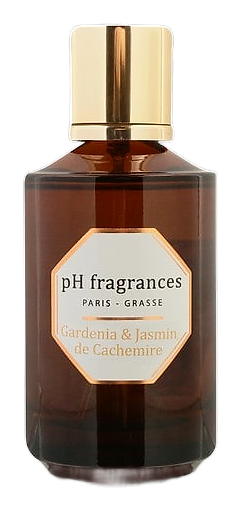
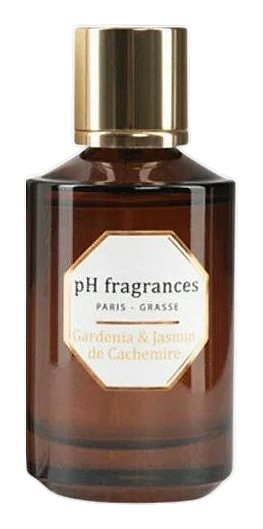
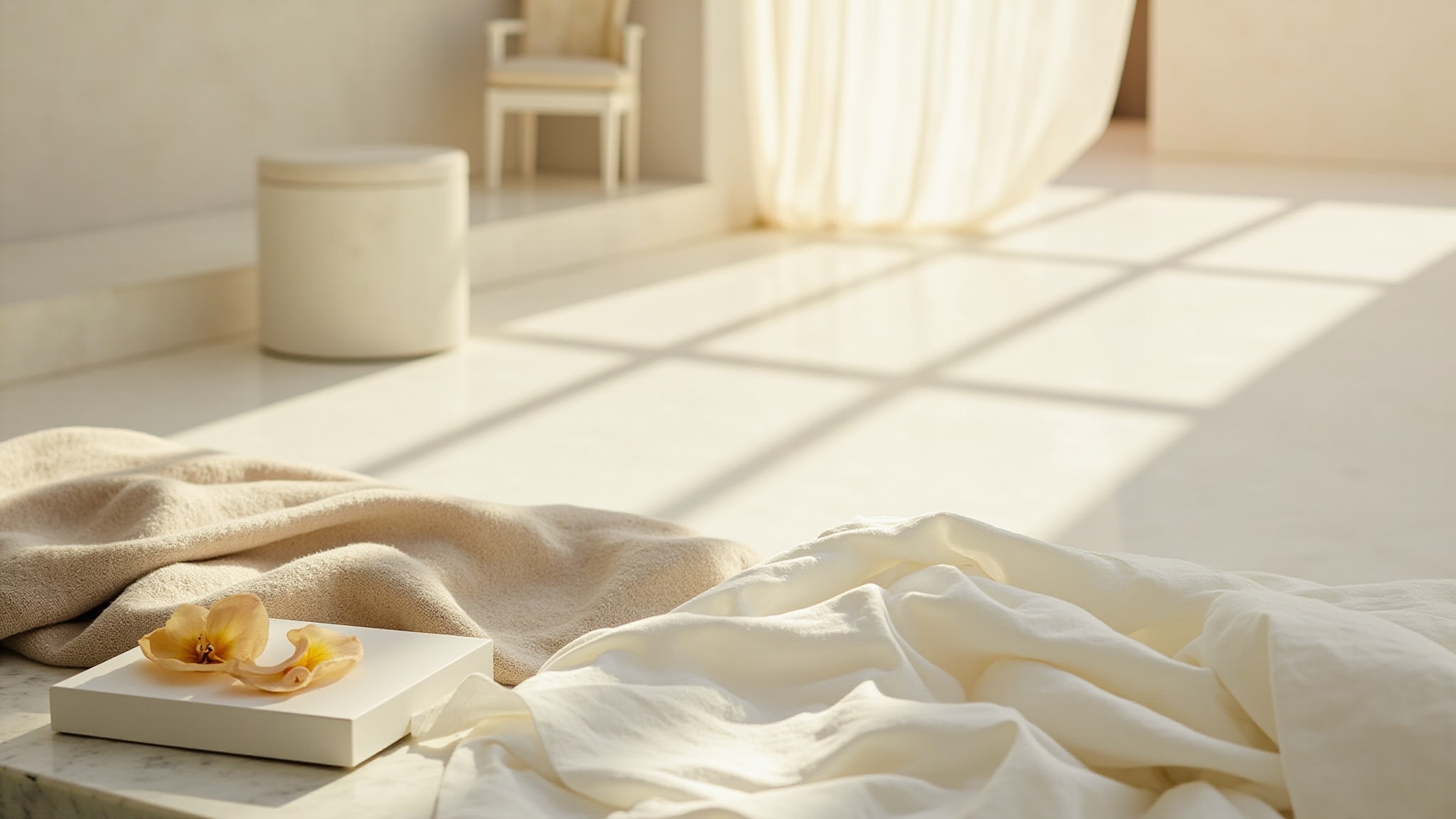
The fragrance centers on gardenia's lush, creamy bloom paired with the quiet restraint of cashmere. The fabric provided the emotional reference, soft, powdery, warm against skin, and the fragrance became its olfactory counterpart. Not a literal translation of what cashmere smells like, but what it feels like when it catches warmth. Gardenia and jasmine anchor the composition, their white floral richness settled into a base that lets the wearer settle in rather than step back. The overall effect is one of understated warmth, where the florals feel present without being insistent, holding close to the skin like a whisper rather than a statement. This is the kind of fragrance that doesn't announce itself but instead invites you into its world.
Jasmine sambac takes center stage alongside orange blossom, creating a heart that feels intimate rather than theatrical. Italian broom appears as part of the composition, adding its own character to the blend. Peru balsam and Spanish cistus bring a balsamic depth that prevents the florals from floating away, while vanilla grounds everything in warmth that outlasts the opening by hours. The real craft is in how these materials hold together without friction, creating a scent that feels cohesive and deliberate.
The evolution
The fragrance opens with bergamot and pink pepper, their bright, slightly spiced quality lifting the composition without sharpness. Peach lends a subtle creaminess beneath the surface, softening the first moments. Gardenia and jasmine emerge as the heart develops, their waxy, rich presence weaving together with nuanced warmth. Orange blossom brings a clean, sweet brightness that prevents the heart from becoming heavy. As the top notes fade, vanilla wraps the florals in warmth. The final stages settle into a quiet close-to-skin presence that lingers, warm and intimate, leaving a subtle impression in the space.
Cultural impact
pH Fragrances entered the home fragrance market with a collection that positioned Gardénia and Jasmin de Cachemire as a standout scent. The approach emphasizes quality ingredients and thoughtful composition, reflecting a broader interest in transparency and responsibility in fragrance production. White florals remain a significant trend in home scenting, with consumers seeking sophisticated, natural-smelling environments. The appeal of scents like Gardénia and Jasmin de Cachemire lies in their ability to create a refined atmosphere that feels both elegant and approachable.
The House
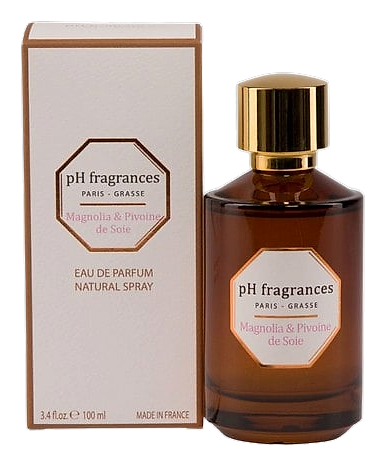
pH fragrancespH Fragrances is a contemporary French fragrance house that reframes how we think about scent by drawing a direct line between fabric and fragrance. Founded by Camille Le Feuvre, the house debuted in 2018 with a collection that pairs specific textiles with complementary olfactory profiles. Each fragrance carries a fabric-inspired name, translating the tactile character of materials such as cashmere, leather, and silk into scent. The house sources ingredients through Givaudan's Orpur programme, a selection of raw materials subject to the Swiss fragrance company's quality and traceability standards. According to fragrance publication ÇaFleureBon, all pH fragrances are biodegradable and composed of 84 to 93 percent natural ingredients, a formulation profile that places natural content at the centre of the brand's identity.
The Creator
Marypierre JulienHer signature lies in botanical precision and a particular gift for translating natural beauty into wearable form. Julien gravitates toward floral and herbal accords, her French sensibility softened by a Mediterranean directness.