Spanish Cistus Orpur
A cornerstone of Mediterranean perfumery, Spanish cistus (labdanum) delivers a warm, resinous depth prized since antiquity. The Orpur designation signifies traceable sourcing and exceptional quality from Spanish cooperatives.
Character
How it smells
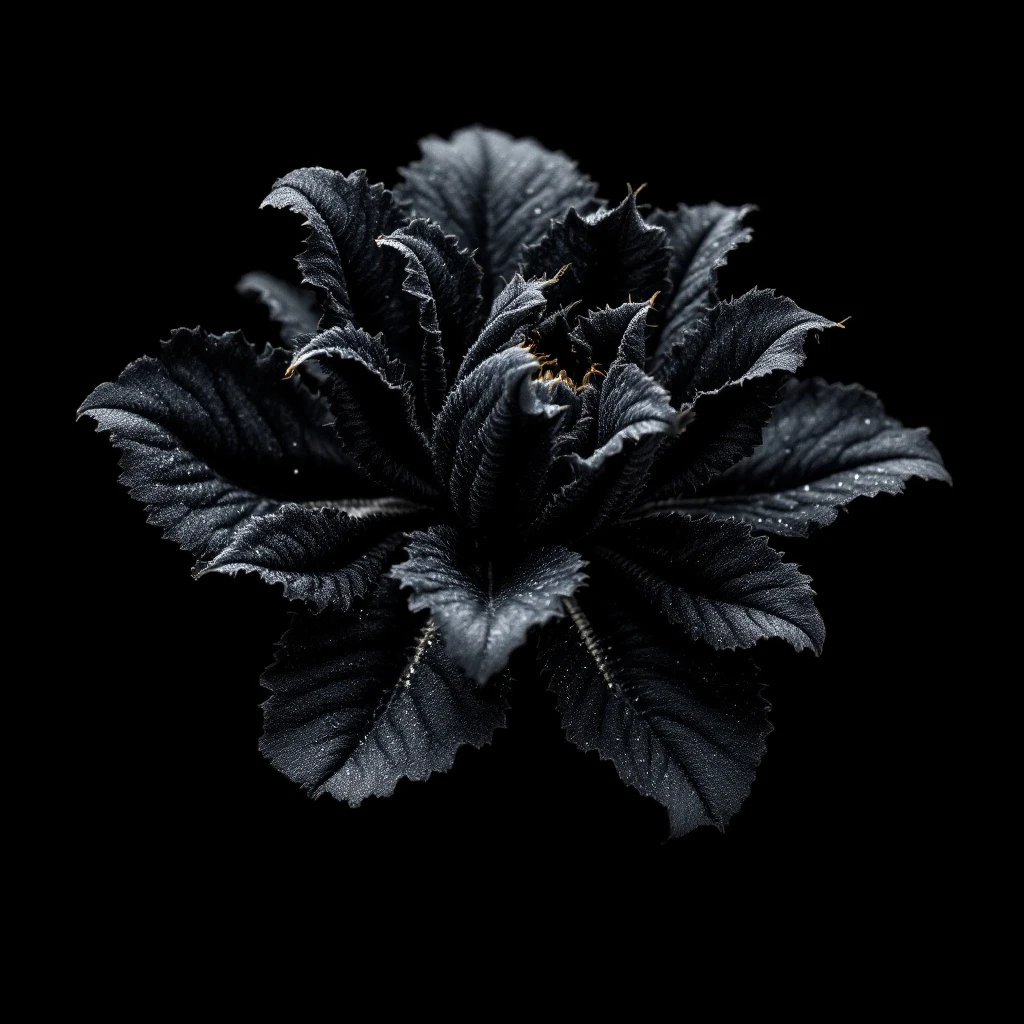
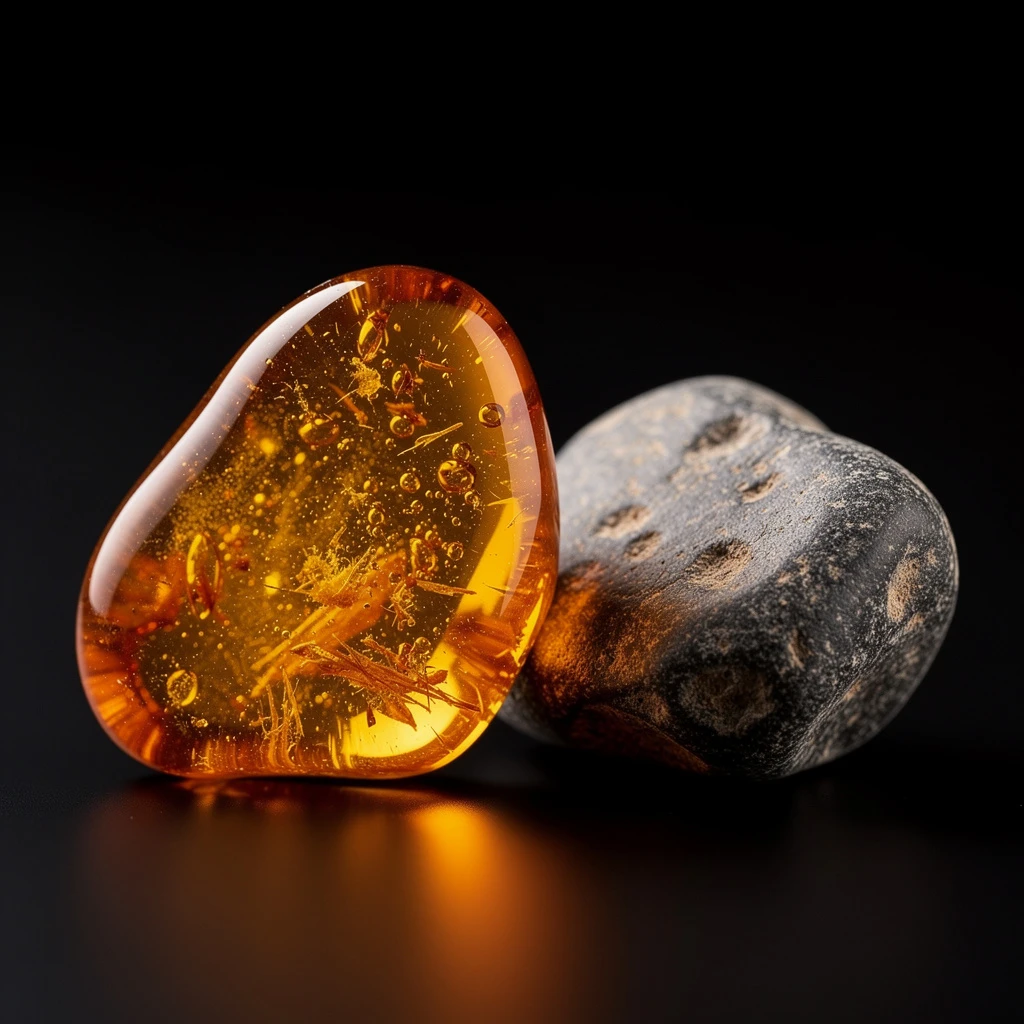
Resinous warmth drawn from sunlit Mediterranean hillsides.
Ancient Romans used labdanum-treated leather as currency, valuing it almost as highly as gold.




Origin
Spain
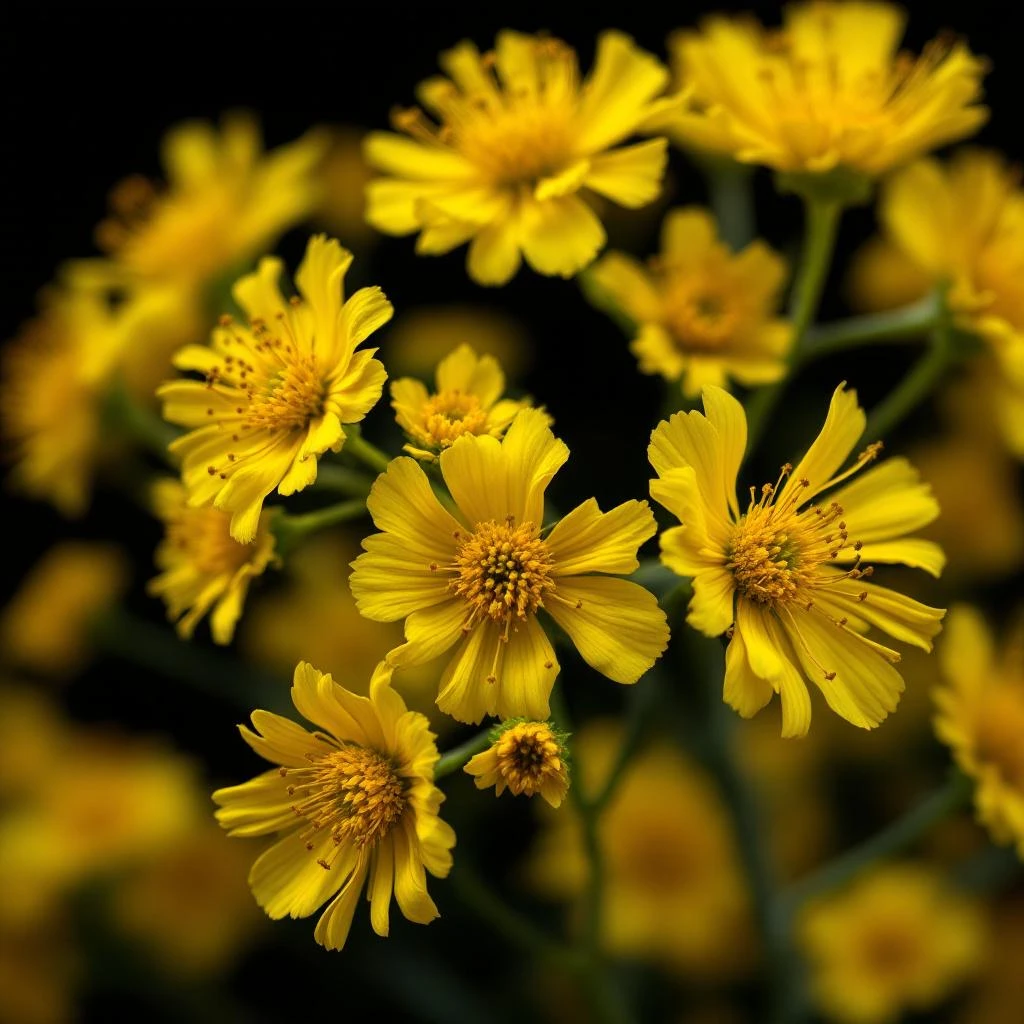
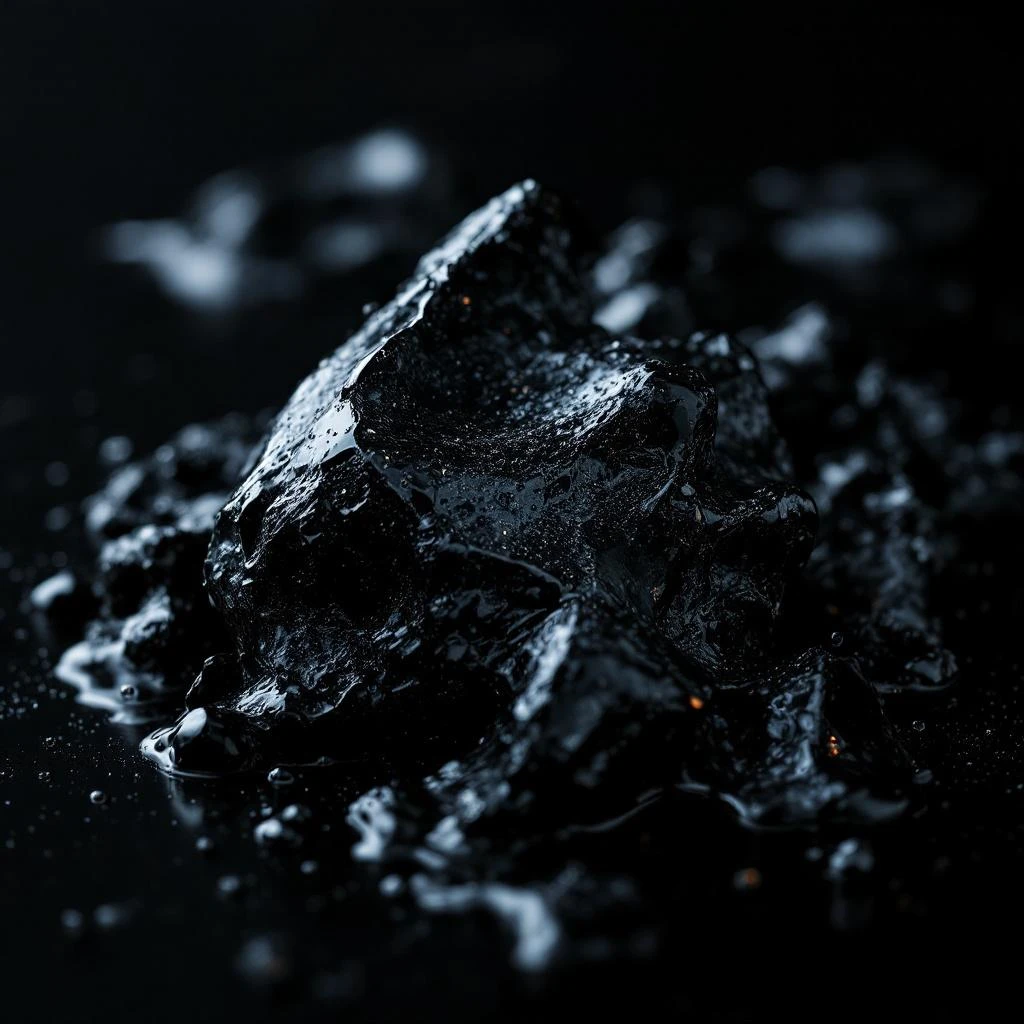
Labdanum traces its lineage to the ancient Mediterranean world, where Egyptian and Roman physicians prized it as a remedy and luxury commodity. Roman writers recorded that harvested gum was scraped from the beards of goats that grazed on cistus shrubs, a tedious process that reflected the ingredient's immense value. Spanish and Moroccan traders dominated medieval commerce in the resin, which perfumers integrated into the warm, enveloping compositions that defined early modern perfumery.
The ingredient experienced renewed attention in the 20th century as fragrance houses sought authentic natural materials for chypre and oriental constructions. Today, Spain remains the primary origin for premium cistus absolutes used in fine fragrance, a heritage ingredient connecting contemporary perfumers to thousands of years of aromatic tradition.
Wears it best
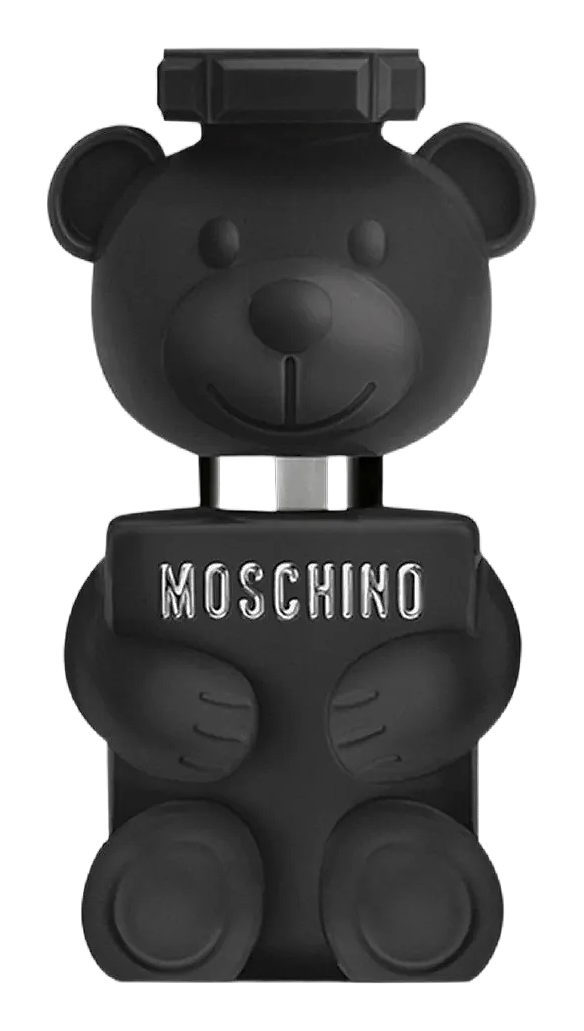
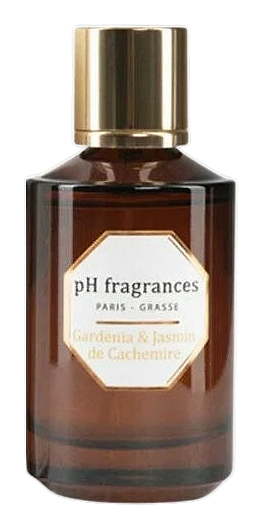
Fragrances featuring Spanish Cistus Orpur
Brands
Brands known for Spanish Cistus Orpur
Good to know
Questions, answered
The essentials on Spanish Cistus Orpur in perfumery: how it smells, where it comes from, and how it behaves on skin.
What is the difference between cistus and labdanum?
Cistus absolute comes from the plant's leaves and branches via solvent extraction, while labdanum is the gum resin naturally secreted by the shrub. Both derive from Cistus ladanifer, but their extraction methods and aromatic profiles differ slightly.
Where does Spanish cistus Orpur originate?
It originates from the Iberian Peninsula, primarily from cooperative networks in southern and central Spain where Cistus ladanifer thrives in wild, rocky terrain. Spain supplies the majority of world production alongside Morocco and Portugal.
How is the Orpur absolute extracted?
Manufacturers use solvent extraction on harvested cistus foliage and stems. Hexane pulls the aromatic compounds from the plant material, yielding a viscous, deep-amber absolute after solvent removal.
What records exist about cistus use in history?
Ancient Egyptians and Romans documented labdanum in medicinal and ceremonial contexts. Roman texts describe scraping gum from goat fur, noting the ingredient's extraordinary value in trade across the Mediterranean basin.
What does Spanish cistus absolute smell like?
The absolute presents a warm, resinous character with dry-amber and honeyed facets, balanced by subtle spicy-herbal notes. It adds tenacity and depth to oriental and chypre constructions.
Why is the Orpur designation significant?
The Orpur program guarantees traceable sourcing from identified origin cooperatives, ensuring sustainable harvesting practices and consistent quality standards beyond standard market specifications.
What parts of the cistus plant are used?
Solvent extraction targets the leaves, flowering branches, and the natural resinous gum that coats the shrub's foliage during the Mediterranean summer season.
How does cistus perform in fragrance compositions?
Cistus absolute acts as a fixative, extending the longevity of lighter top notes while adding resinous body to the fragrance heart. It blends particularly well with oakmoss, lavender, and warm spice accords.