The Story
Why it exists.
The beginning
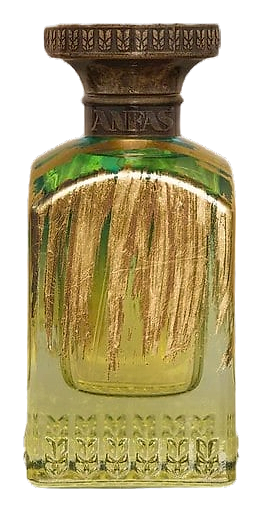
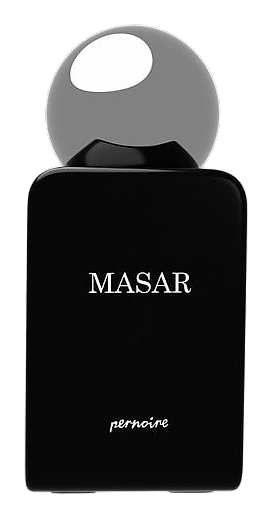
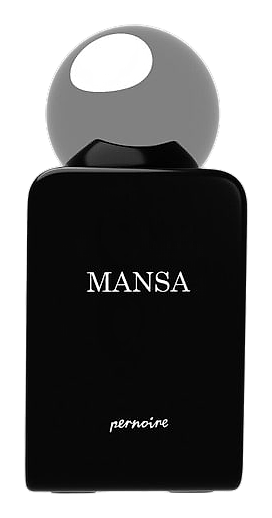
The name is a nod to Mansa Musa, the 14th-century emperor of the Mali Empire, one of the wealthiest individuals who ever lived. His pilgrimage to Mecca was so extravagant that he destabilized gold prices across the region for over a decade. Spanish cartographers later depicted him sitting on a throne, nugget of gold in hand. That's the reference. Not subtle, but the best ones never are. Andreas Wilhelm was given a name and told to build something worthy of it. What he built is an extrait de parfum that translates legendary wealth into something you can actually wear, warm, layered, and unapologetically bold. The kind of fragrance that arrives before you do and doesn't apologize for the wait.
The composition leans on contrast as its organizing principle. Fruit against resin, powder against smoke, warmth against something darker underneath. The orris root does the most interesting work, it arrives early and never fully leaves, threading a violet-like softness through every phase of the development. It keeps the oud from becoming heavy-handed and makes the rose feel less romantic and more architectural. The saffron isn't aggressive here. It's warm, metallic, the kind of spice that makes the fruit taste richer rather than louder. This is what distinguishes Mansa from the crowded oud field: the powdery accord is structural, not decorative. It's what makes the whole thing hold together.
The evolution
The first twenty minutes are the blackberry's moment, bright, slightly tart, with pink pepper providing clean heat that keeps the sweetness in check. The orris is already present, a whisper of powder that most people miss until it's gone. By the first hour, the saffron arrives. It doesn't announce itself; it deepens everything already there. The heart takes over around hour two, rose and oud together, the rose giving it warmth and the oud giving it weight. Blackcurrant and amber sit underneath, keeping a fruity backbone alive so the composition never fully commits to either direction. The base arrives around hour three and stays. Musk and heliotrope create warmth and powder. Patchouli and moss add earthiness that keeps the sweetness honest. This is the long part, eight to ten hours on most skin, with the oud still pulsing underneath even when everything else has softened. On clothes, it lasts through the next wash.
Cultural impact
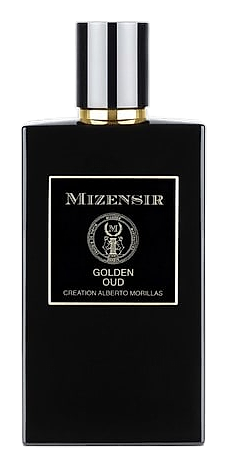
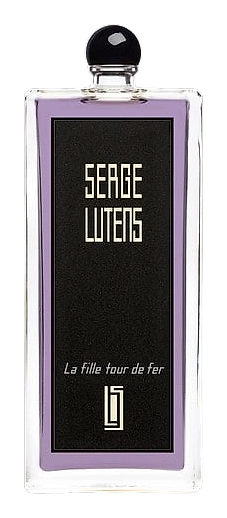
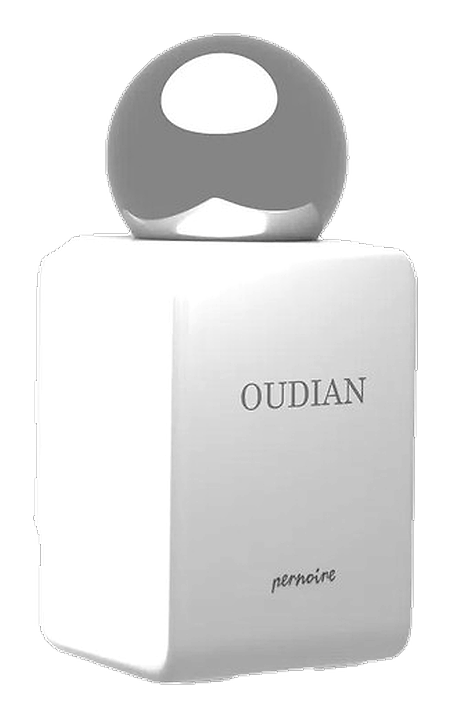
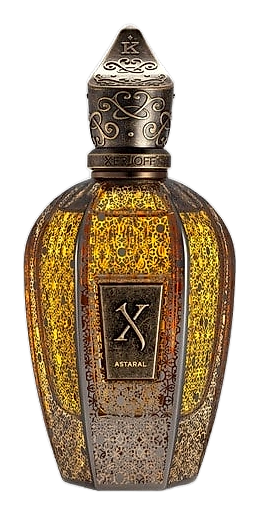
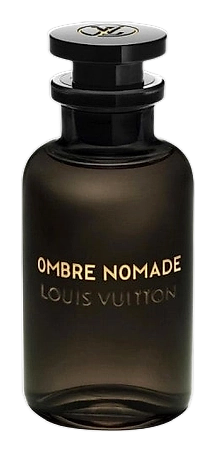
Mansa was a finalist for the Art & Olfaction Award in the Independent category in 2023, a meaningful acknowledgment for a young house still building its vocabulary. In the niche space, it sits alongside compositions like Astaral by Xerjoff, Ombre Nomade by Louis Vuitton, and Falcon Leather by Matière Première, all oud-forward, all woody-fruity, all with strong sillage. What distinguishes Mansa is the powdery rose and saffron heart that keeps the oud from becoming predictable. It's become a reference point for people who want oud that doesn't smell like every other oud.