The Story
Why it exists.
The beginning
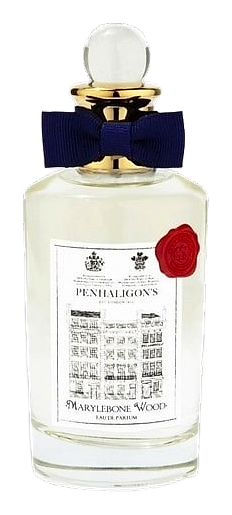
Marylebone Wood wears its geography on its sleeve. The fragrance takes its name from the West London neighborhood thick with literary and cultural history, home to the Wallace Collection's Old Masters and to other landmarks of London's layered past. Penhaligon's has always traded in place-making, in scents that pin a mood to a specific corner of London. This one is a quieter gesture toward the area's clubby, wood-paneled side, a scent more of hushed interiors than busy thoroughfares. Fabrice Pellegrin composed the scent in 2018, building it around a single bright grapefruit opening that exists for barely half an hour before the composition turns inward. What arrived is a fragrance that reads more like a mahogany sideboard than a London high street.
What makes Marylebone Wood worth pausing over is its restraint with grapefruit. Here the grapefruit is a single bright thread, barely thirty minutes of lift before the woody machinery takes over. That's the unusual move: a top note treated almost like a guest who's been told when to leave. The base itself is a conventional roll call, sandalwood, vetiver, cedar, patchouli, amber, but the proportions and the way Pellegrin stacks them matter. The patchouli is dry rather than earthy-sweet, the vetiver green-smoky rather than rooty, the sandalwood creamy-soft rather than sharp.
The evolution
The first ten minutes are all grapefruit. Not the pulpy breakfast-fruit version but something sharper, closer to the pith and the rind, a clean bitterness that wakes the skin up. It feels almost like a palate cleanser before the meal. The citrus steps back and the woods begin their entrance. Cedar shows up first, dry and pencil-shaving, then sandalwood arrives underneath with something creamier. The vetiver joins shortly after, bringing its smoky-green signature. This is the phase where the fragrance settles into its identity: woody, warm, faintly aromatic. The drydown is patchouli-led amber on a wooden floor. The powdery quality that some detect at this stage softens the woods into something almost like suede. It sits close to the skin rather than projecting outward, and it stays there with above-average longevity.
Cultural impact
Marylebone Wood occupies an interesting corner of the woody-fragrance conversation, a composition that feels deliberate without being austere. The grapefruit opening gives it a freshness that distinguishes it from heavier sandalwood-patchouli compositions, while the drydown keeps it grounded enough to avoid reading as just another citrus-woody hybrid. It sits in a space that feels considered rather than trendy, the kind of scent that rewards attention without demanding it. The restraint throughout, from the brief citrus lift to the composed woody base, gives it a character that feels increasingly rare.