The Story
Why it exists.
The beginning
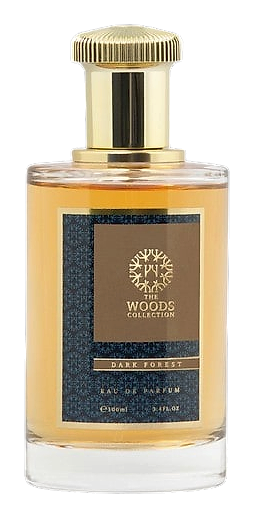
Dark Forest arrived in 2016 as The Woods Collection's second exploration of what a forest name can hold without delivering the expected. The brand had built its early identity on woods and resins, but this scent took a different path, one that opened with citrus brightness rather than bark depth, that chose honey over humus. The name suggested somewhere dense and dark. The composition went somewhere else entirely. That tension, between what the label promises and what the skin receives, became the fragrance's quiet argument against assumptions.
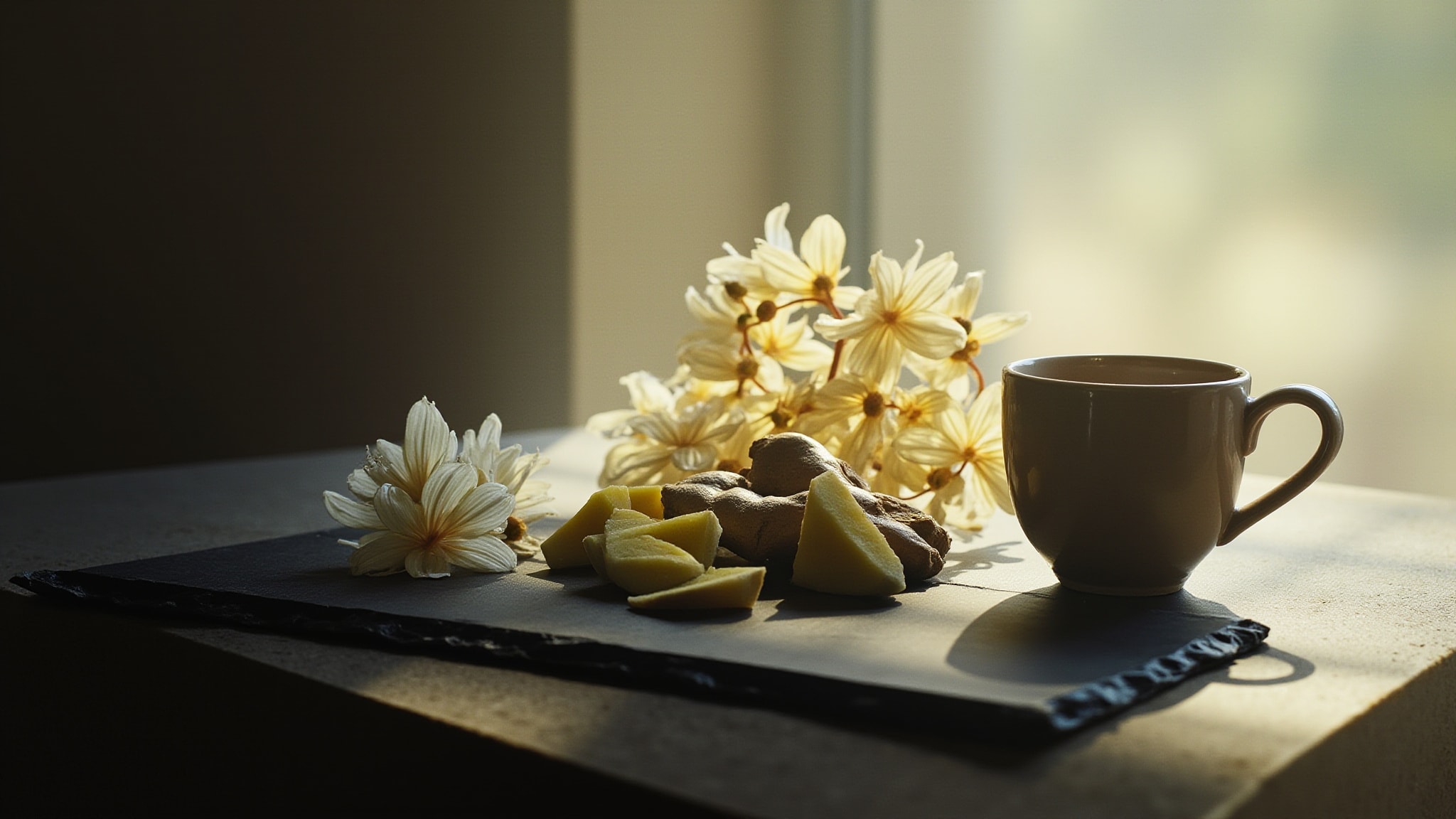
Ginger and bergamot together create an opening that reads as almost medicinal, clean, sharp, the kind of brightness that clears the room before it fills it. Neither note softens the other. They amplify. Then honey arrives not as sweetness but as warmth, settling into vanilla without turning the composition saccharine. The spicy middle notes act as a bridge rather than a destination, keeping the heart from becoming dessert while the neroli base quietly extends everything into a white-floral drydown that neither dominates nor disappears. It's a structure that rewards patience, the initial brightness doesn't last, but it earns the warmth that replaces it.
The evolution
The first thirty minutes belong to ginger. Sharp, almost edible, the kind of clean heat that makes you check your wrist. Bergamot arrives alongside it, adding a slightly bitter edge that keeps the citrus from becoming sweet too soon. Then the honey slides in. Not the sticky kind, the kind that lives in warm wood, in old furniture, in the memory of sweetness rather than sweetness itself. Vanilla anchors everything from the middle onward, not by dominating but by refusing to leave. The neroli in the base reads less as floral and more as a softening agent, it takes the sharp edges the ginger left behind and smooths them into something that stays close to skin for eight to ten hours on most wearers. On fabric? Longer. You'll find traces the next morning.
Cultural impact
Dark Forest arrived during a period when niche perfumery was expanding beyond traditional boundaries, offering consumers an alternative to mainstream releases. The Woods Collection positioned this fragrance as part of a broader movement toward natural materials and woody compositions, tapping into a growing desire for distinctive scents that did not rely on established designer house names. Community forums have sustained discussion of Dark Forest since its 2016 launch, with enthusiasts sharing longevity comparisons and layering suggestions that have kept the fragrance relevant. The ginger-bergamot pairing predates similar combinations that appeared in later releases from larger houses, giving it a quiet significance within fragrance history.