The Story
Why it exists.
The beginning
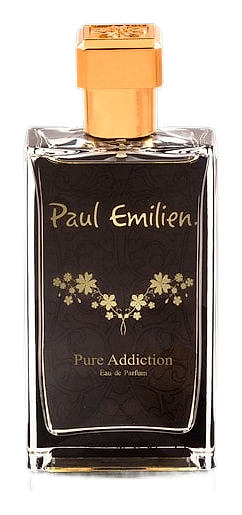
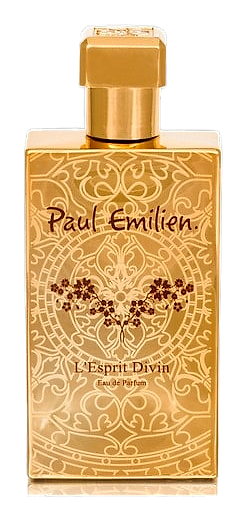
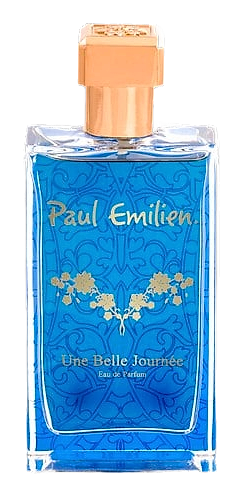
Paul Emilien approaches fragrance like a painter with a canvas, each composition begins with a memory or a visual scene. Une Belle Journee, 'a beautiful day,' is exactly that: an invitation to treat the ordinary as worthy of attention. The name is a quiet declaration. Not a grand statement. Just the belief that a day can be beautiful if you pay attention to the right details. The perfumer built this one around that idea, not the occasion, not the season, just the feeling of conditions aligning.
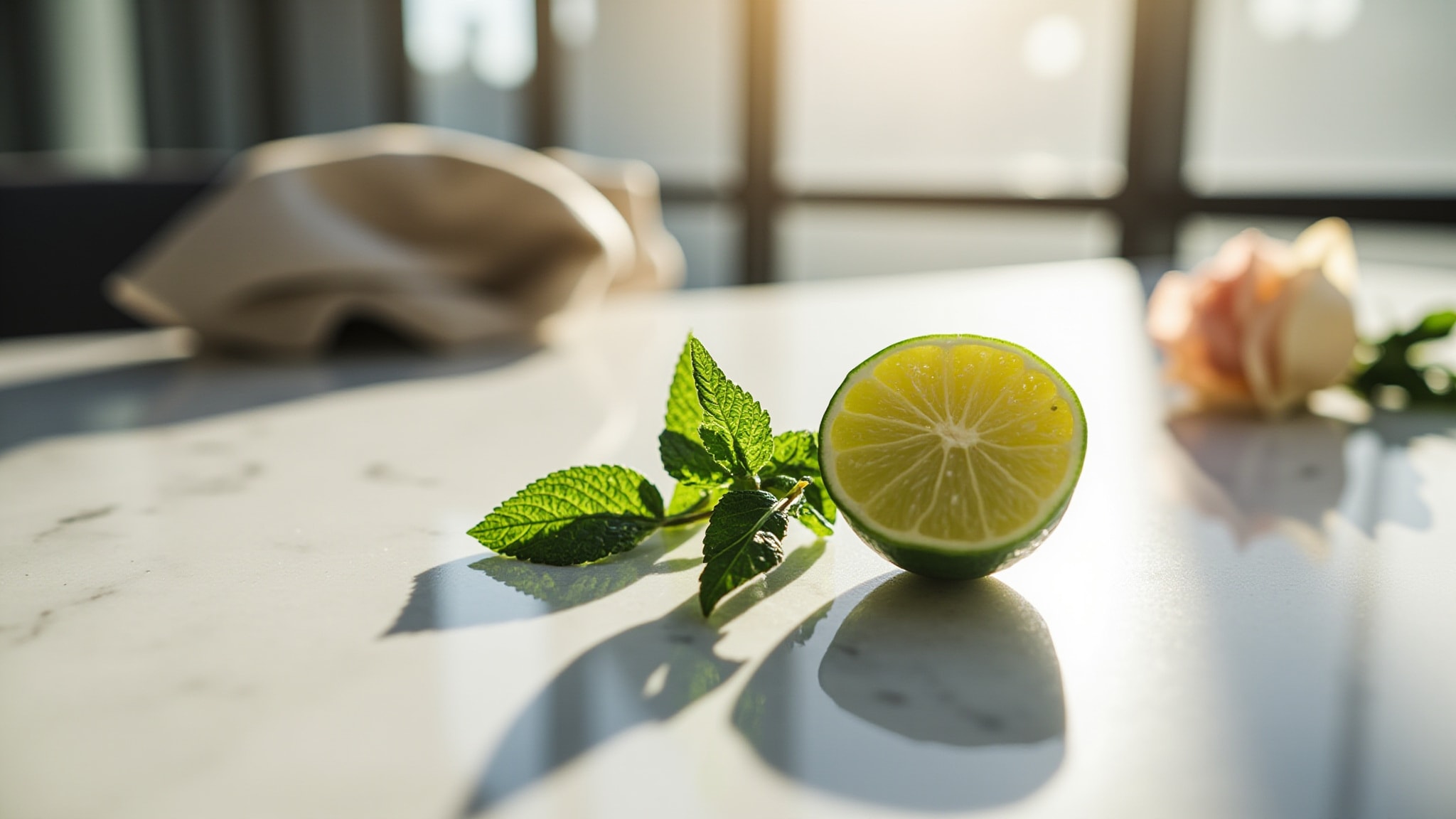
What makes this structure interesting is the tension between cool and warm. The mint and citrus open bright and almost clinical, like morning air with a hint of something herbal. But the rose doesn't wait. It arrives peppery, with iris adding a powdery depth that prevents the green from going too sharp. Then the florals multiply: peony, geranium, jasmine, immortelle, each adding softness without sweetness. The synthetic ozonic quality is the connective tissue here. It keeps everything lifted, fresh, and modern rather than classical. That's the quiet distinction: a rose that doesn't smell like rose water.
The evolution
The mint-lime opening hits crisp and bright, lasting maybe twenty minutes before the rose asserts itself with that distinctive peppery edge. The Turkish rose doesn't soften immediately, it holds its structure while the heart notes accumulate around it. Peony and geranium layer in slowly, adding a soft herbal quality that tempers the floral. By hour two, jasmine begins to rise from the base while leather makes its first appearance, subtle at first, like old bookbinding. The real shift happens around hour four. The florals recede, and the leather-oakmoss combination takes over. This is the drydown that defines the fragrance: warm, slightly animalic, intimate. It doesn't project as far, but it lasts. On fabric, the next morning, there's a faint trace of leather and green, like the ghost of the day before.
Cultural impact
Une Belle Journee arrived in 2014 as part of Paul Emilien's founding collection, a period when independent French perfumers were gaining traction among collectors seeking alternatives to mainstream houses. The 2014 release positioned itself at the intersection of fine art and fragrance, reflecting a broader cultural moment when consumers began treating scent as a form of personal expression rather than mere grooming. Emilien's painterly approach, beginning each composition with a visual memory rather than a formula, aligned with a growing interest in artistic authorship within niche perfumery. The mint-rose combination, unusual for its time, influenced subsequent green-floral releases from smaller houses.