The Story
Why it exists.
The beginning
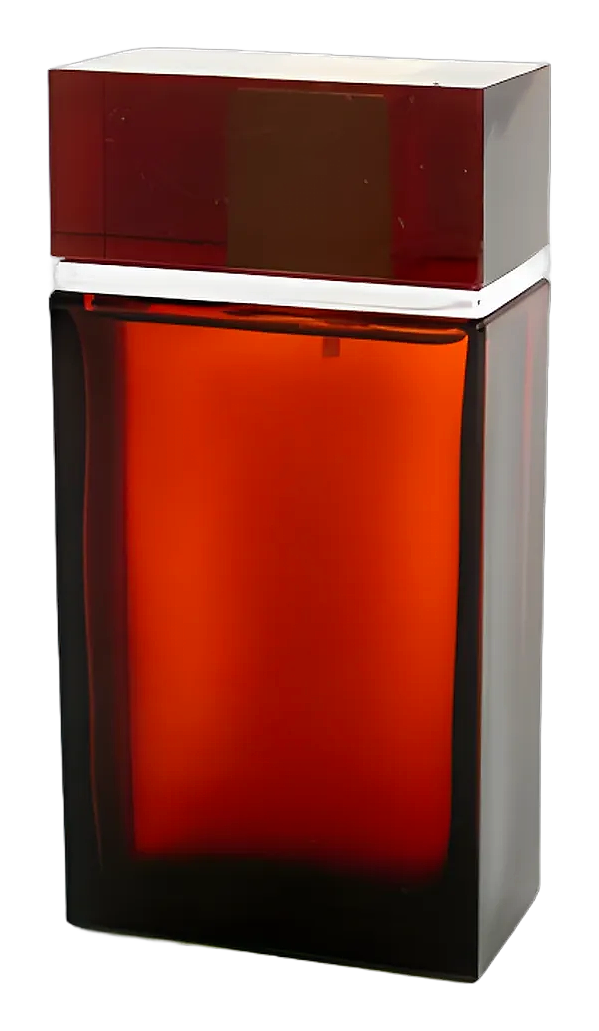
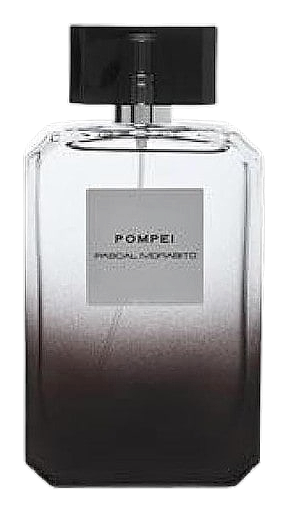
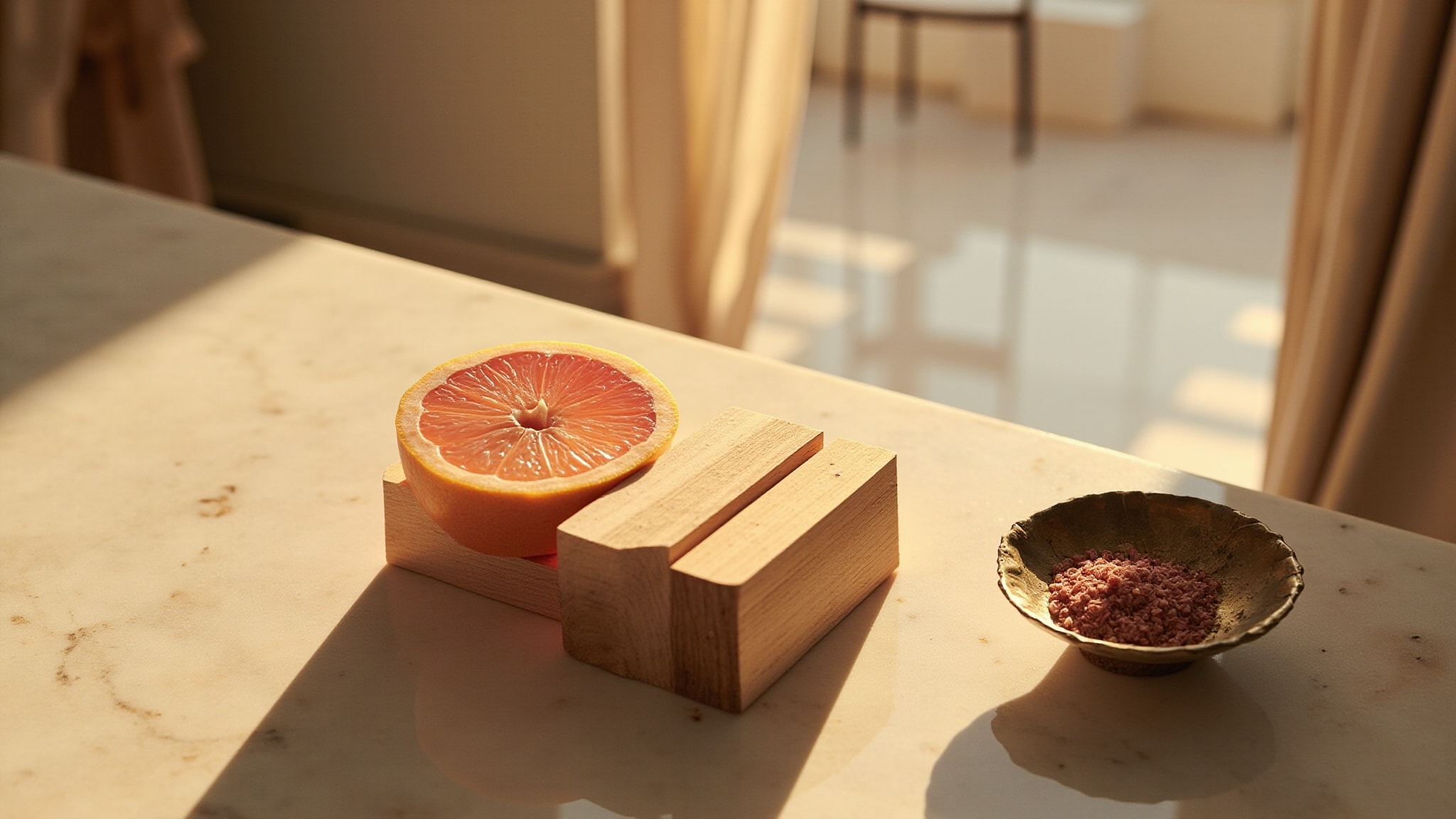
Pompei arrived in 2012, composed by Corinne Cachen for the Pascal Morabito house. Cachen's brief was Mediterranean without the postcard, warmth without sweetness, a scent built from stone and dust rather than sea air and lemons. The result is a composition that reads like a snapshot of volcanic rock at midday, mineral and dry, spiced by wind rather than kitchen. Grapefruit opens the door, pink pepper and cardamom flicker at its edges, then cedar and cinnamon take over at the center, anchored below by vetiver, patchouli, amber, and musk. The whole shape sits firmly inside the spicy-woody tradition, familiar enough to wear without thinking, distinctive enough that no one mistakes it for anything else on the shelf.
What makes Pompei work is the restraint in the opening. Grapefruit leads, pink pepper and cardamom flicker behind it, but nothing screams. The heart carries the weight, and the base is built to anchor everything above. Cedar and cinnamon at the center is an old combination, but here they read drier, more architectural, because the vetiver and patchouli beneath are treated with respect rather than buried under amber and musk. The geranium threading through the heart adds a faint green lift that keeps the wood from collapsing into heaviness.
The evolution
The first 30 minutes belong to grapefruit, pink pepper, and cardamom, bright and slightly bitter, the kind of citrus that smells like it grew on a tree rather than rolled off an industrial line. The citrus does not vanish so much as get absorbed, taken under by the cedar and cinnamon as the heart arrives around the 45-minute mark. The shift is more architectural than aromatic, the wood drying out, the cinnamon tightening into something more like bark than baking spice. Geranium runs quietly underneath, adding a faint green lift that keeps the heart from going flat. By the second hour the base has settled, vetiver and patchouli doing the heavy lifting, with amber and musk providing a low warm hum. The vetiver here is dry and mineral, the patchouli earthy but clean, nothing hippie about it.
Cultural impact
Pompei earns its place in the spicy-woody category by doing the work without raising its voice. It is the kind of composition that wears well across seasons and settings, warm enough for cooler months, dry enough to hold up in warmer weather, restrained enough for the office and textured enough for evenings out. The comparison reviewers draw to Hermès Terre d'Hermès is honest more than flattering, both compositions chasing that dry-spiced-wood feeling through similar materials, both treating citrus as a cool entry point before handing off to a woody heart.