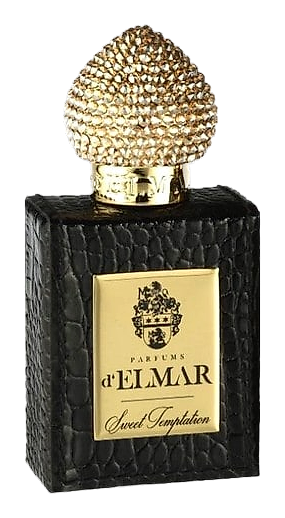

The Story
Why it exists.
The beginning
Mark Buxton designed Sweet Temptation in 2018, early in Parfums d'Elmar's story, when the Swiss house was still defining what quiet could mean. The brief wasn't restraint for its own sake, it was restraint with intent. A fragrance that didn't announce itself but held attention once it arrived. The name came from the tension at the heart of the brief: temptation implies wanting something you probably shouldn't, and sweetness implies you will anyway. That contradiction is the whole point. No single note makes this fragrance. It's the negotiation between them, bright and warm, sweet and resinous, close and lasting. Buxton built the structure around that push and pull, starting with the resins and citrus at the top and letting each layer earn its place in what comes next.
What makes the pyramid unusual isn't any single note, oud and vanilla appear in plenty of compositions, but the way Tolu balsam anchors the top. Resinous and almost medicinal at first, it slows down the opening, preventing the orange and ginger from rushing past. You get the brightness, but it arrives measured. The saffron compounds this effect: metallic, warm, slightly bitter, it gives the sweetness that follows something to push against. By the time the jasmine sambac arrives in the heart, the composition has already established that this isn't a straightforward gourmand. The vanilla in the base is absolute-grade bourbon, rich, deep, almost tactile, but it arrives after the oud has already staked its claim.
The evolution
The opening arrives warm but controlled. Orange oil brightens, ginger adds clean heat, and the Tolu balsam sits underneath it all like a resinous floor, not heavy, just present. The first hour belongs to the spice. Then the jasmine sambac enters. It doesn't overpower, it softens. The styrax adds a faint rubbery sweetness that most people either love or don't notice at all. By hour three, the base takes over. Oud and vanilla together create something that smells expensive without trying. The benzoin adds a faint honeyed quality. Tonka rounds the edges. This is the payoff: amber warmth that doesn't dissolve into skin. On fabric, it can last into the next day, a faint trace, warm and quiet, the kind of thing you catch on a collar and smile at.
Cultural impact
Among niche fragrance enthusiasts, Sweet Temptation is the house's quiet statement piece. It doesn't perform loudly, strong sillage stays close to the skin, creating a personal scent bubble rather than filling a room. That restraint appeals to wearers who want depth without declaration. The composition sits in a crowded corner of the oriental-gourmand space, but the oud-vanilla base and the Tolu balsam opening set it apart from sweeter competitors. In niche perfume circles, it earned a reputation as an Extrait worth seeking out, particularly for those who want something warm and resinous without tipping into heavy.
The House
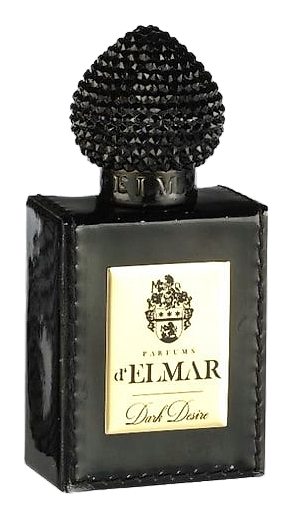
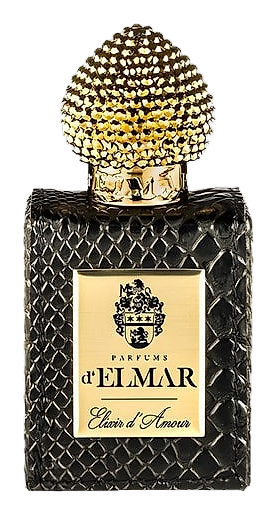
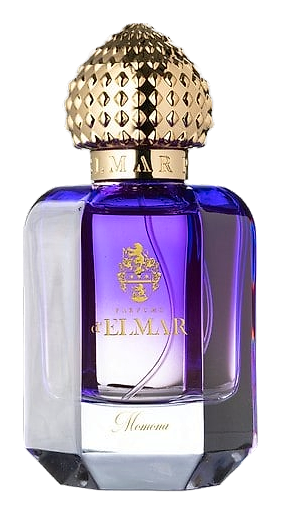
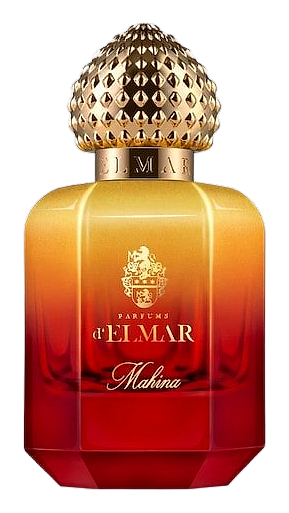
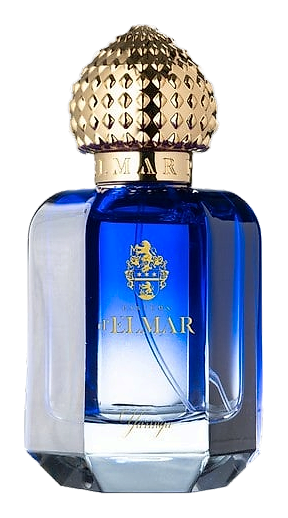
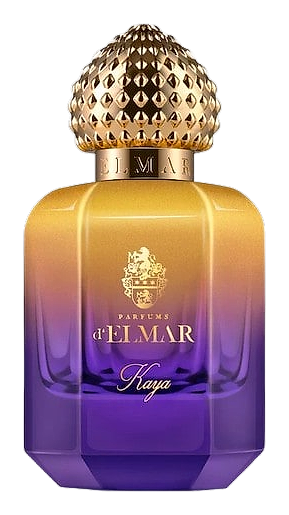
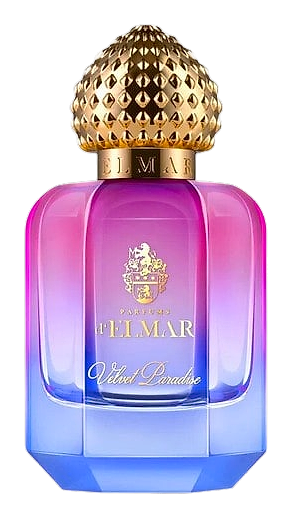
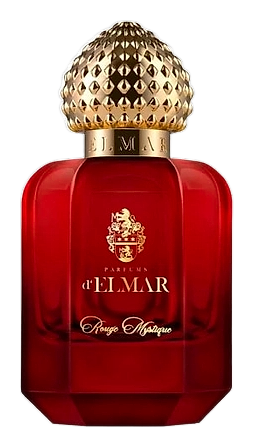
Parfums d'ElmarParfums d'Elmar offers a curated line of niche fragrances that blend classic French technique with a modern sensibility. Founded in 2017, the house releases scents that often highlight oud, amber and floral accords, inviting wearers to explore nuanced stories in each bottle. The brand positions itself as a quiet alternative to louder market players, focusing on depth rather than flash. Its portfolio includes Dark Desire, Sweet Temptation and newer releases such as Mahina and Rouge Mystique, each crafted for moments that demand subtle distinction.
The Creator
Mark BuxtonMark favors a structural approach that starts with a strong base, often built from rare woods, ambergris substitutes, or aged resins. He layers these foundations with carefully selected heart notes—spices, florals or herbs—that add depth without overwhelming the base.