
The Story
Why it exists.
The beginning
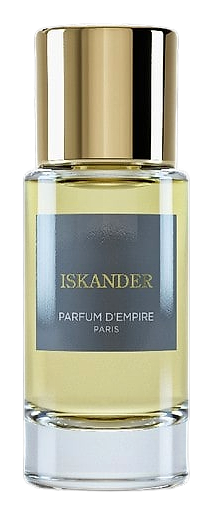
Iskander is the name history gives Alexander the Great in Persian and Turkish, the conqueror who wore empires like costumes, crossing from Macedonia to India without losing himself. Marc-Antoine Corticchiato named this 2006 fragrance for that figure, that reach. Not the battles. The border-crossing. The way one person can stand at the edge of East and West and belong to both. The brief was simple: build a citrus chypre that earns its geography. The result is a fragrance that opens with a tart, sparkling intensity, seven citrus materials working in concert to create an electric first impression. Beneath that brightness, tarragon adds its herbal, slightly anise character, while cedarwood provides a grounding presence that keeps the composition from becoming too fleeting.
The choice of a chypre structure is the tell. Chypres have always been about complexity under control, the tart freshness that opens, the moss and amber that anchor. Corticchiato didn't want Iskander to be a fleeting thing. He filled the top with seven citrus materials, citron, lemon, grapefruit, mandarin, orange, a tartness so layered it reads as almost electric. Then the heart: coriander's bracing spice, neroli's delicate florality, African orange flower. The contrast between that high citrus brightness and the deeper herbal-spicy heart is where Iskander lives. It's the friction between freshness and gravity that makes it interesting.
The evolution
The opening hits tart and sparkling, seven citrus materials doing exactly what citrus does: cut through, wake up, announce. As the fragrance develops, tarragon slides in with its herbal, slightly anise edge, and cedarwood arrives underneath to ground the brightness. The neroli and orange flower heart takes over, softening everything, but the tarragon doesn't fully retreat, it keeps the green character alive through the heart. The drydown is where Iskander reveals its actual ambition. Oakmoss arrives, true to chypre form, and the citrus doesn't disappear, it becomes a ghost, a memory of brightness caught in something mossy and warm. Amber and musk settle close to the skin. The whole thing develops and lingers, intimate and present, the kind of fragrance that someone notices only when they're standing close enough to feel the warmth.
Cultural impact
Iskander occupies a particular space in niche perfumery, neither the aggressive citrus bombs nor the safe designer waters. It's the fragrance for someone who's moved past performance chasing and wants something that works quietly, close to the skin. The kind of scent that earns its reputation through wearers who lean in rather than project loudly. Those who connect with it tend to keep a bottle. It has maintained its presence in the niche community as a reference point for those seeking confident freshness without the shouting quality of louder compositions.