The Story
Why it exists.
The beginning
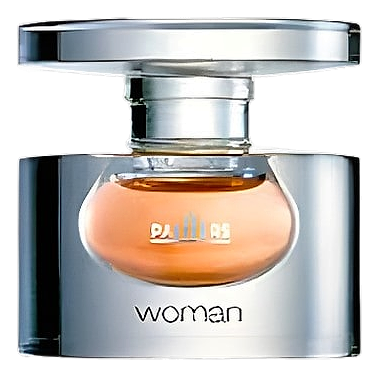
Palmers Woman arrived in 2001, a single, unassuming floral-fruity composition from a brand whose perfume-making footprint extends to just this one release. The bottle itself is a straightforward fruity-floral that opens with a bright wash of peach, blackcurrant, and mango, a juicy and uncomplicated top accord that feels immediately familiar rather than challenging. As the initial fruit settles, the floral heart comes forward, and it's a soft, rounded bouquet built on jasmine, rose, and lily of the valley, with each bloom reading more as a suggestion than a full declaration. The jasmine lends a gentle warmth, the rose gives a touch of powdery softness, and the lily of the valley adds a green, dewy lift that keeps the composition from tipping into anything too heavy or dense.
What makes this composition worth attention isn't complexity, it's the pairing. Blackcurrant and peach at the top is a fairly common fruity duo, but bringing mango into the mix adds a tropical weight that most fruit-forward florals skip. The heart is conservative, jasmine, rose, lily of the valley, the trio that defines a thousand classic feminine fragrances. Where Palmers Woman diverges is in the base: vanilla and musk, with woody notes underneath, doing the quiet work of holding everything together without leaning dark or powdery. The result is a scent that smells bigger and brighter in the opening than its heart suggests, then settles into something unexpectedly warm and soft.
The evolution
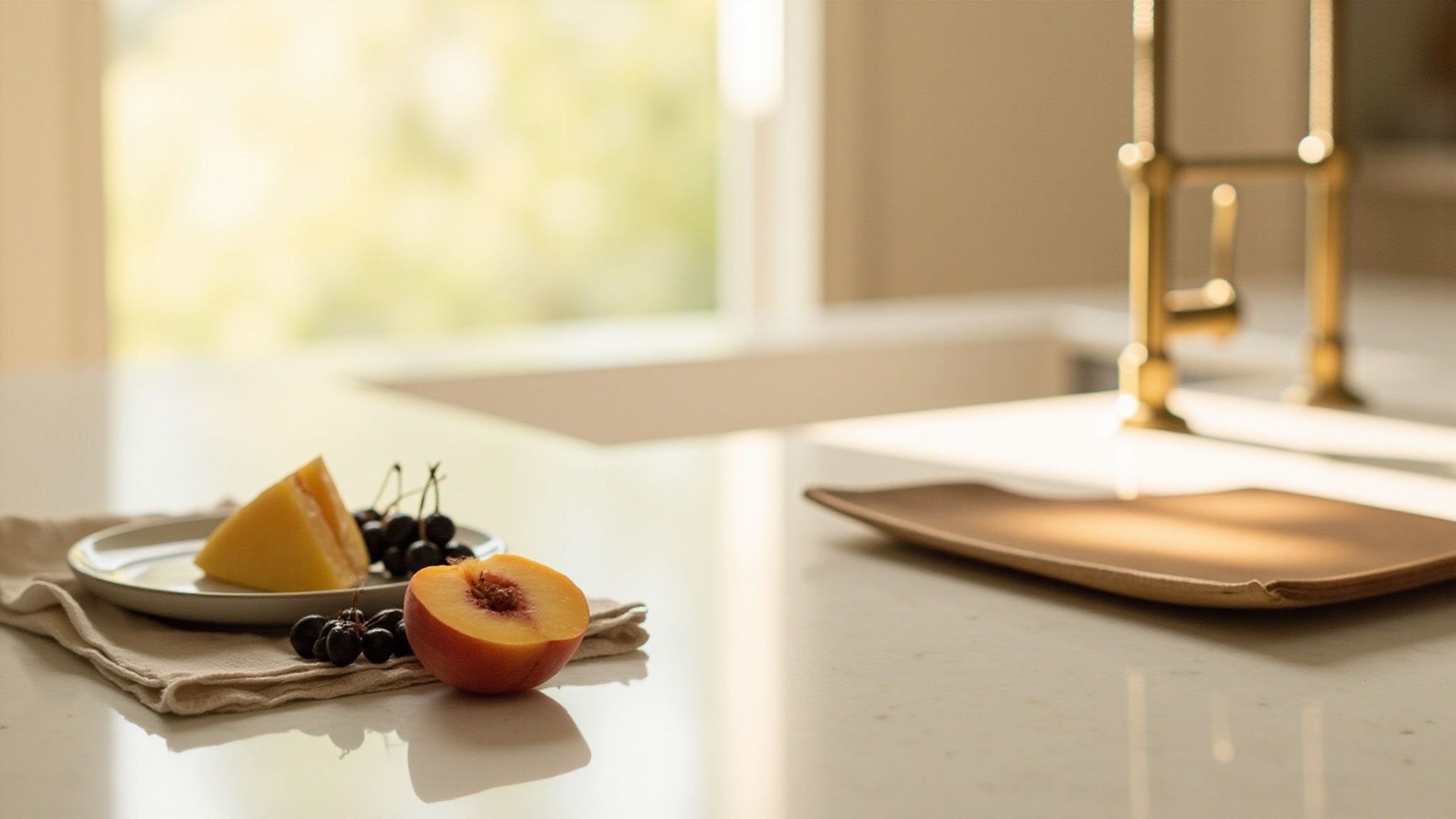
On skin, the first half hour belongs to the fruit. Peach and blackcurrant arrive almost simultaneously, sweet but with a slight tart edge from the currant, while mango adds a syrupy undertone that keeps the whole thing from going candy-sweet. The mango is what gives the opening its slightly tropical lift, less sunscreen, more ripe fruit on a kitchen counter. Around the thirty-minute mark, the florals begin to surface. Jasmine leads, a clean white-floral that doesn't shout, followed by rose and lily of the valley which together create a soft, almost powdery impression. The fruit doesn't vanish, it just retreats, becoming a sweet undertone rather than the headline. By the third or fourth hour, the base has taken over. Vanilla warms the composition without making it gourmand, and the musk does what musk does best here: pulls everything skinward, makes the fragrance smell less like a product and more like a person. The woody notes are barely perceptible on their own, but they add a quiet structural warmth that keeps the drydown from going flat.
Cultural impact
Palmers Woman occupies an unusual place in fragrance history, a single release from a name more widely associated with body care than perfume. Released in 2001, it stands as the brand's sole documented foray into fragrance, a fact that makes it something of a quiet curiosity for anyone tracking the category. The bottle delivers a straightforward fruity-floral composition, one that opens with a bright blend of peach, blackcurrant, and mango, fruits that read as juicy and ripe, with the blackcurrant lending a subtle tartness to cut the sweetness of the peach and mango.