
The Story
Why it exists.
The beginning
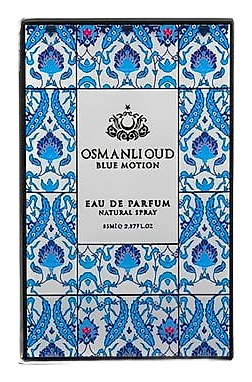
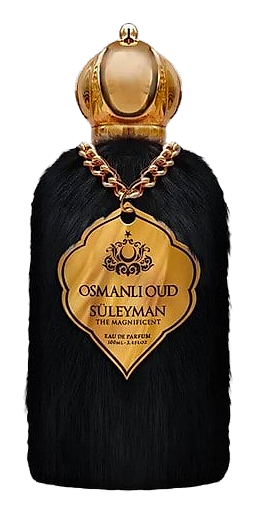
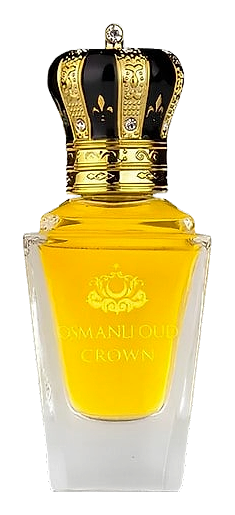
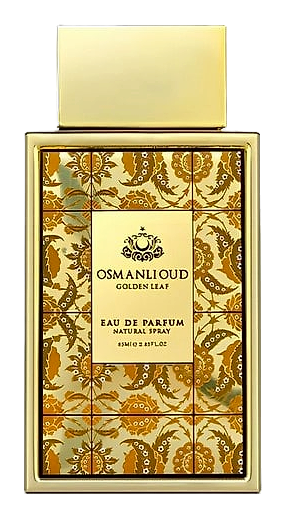
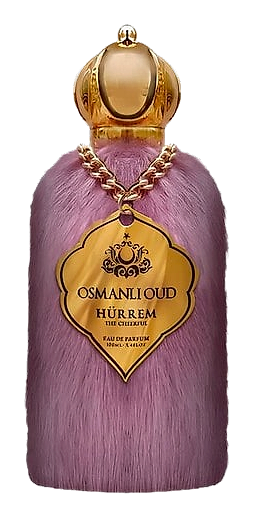
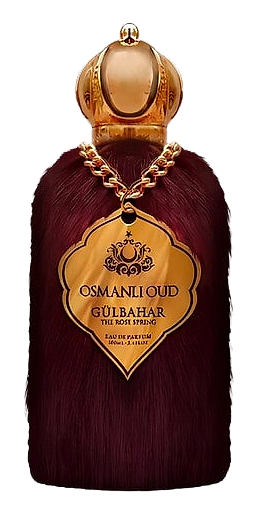
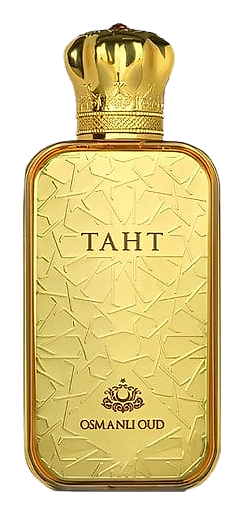
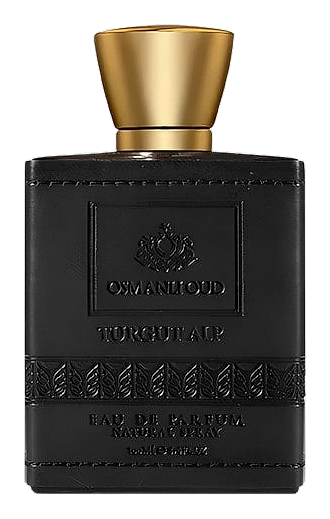
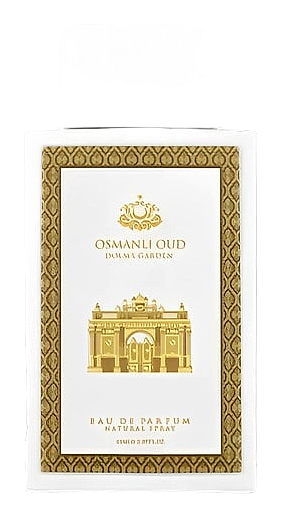
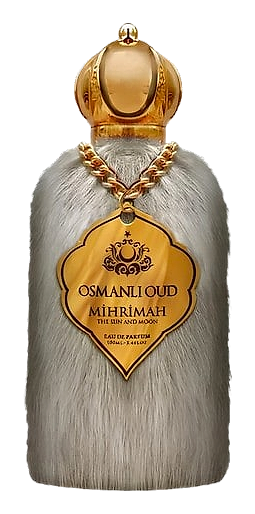
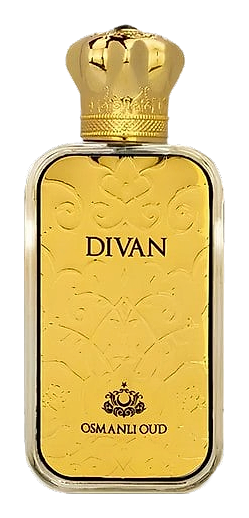
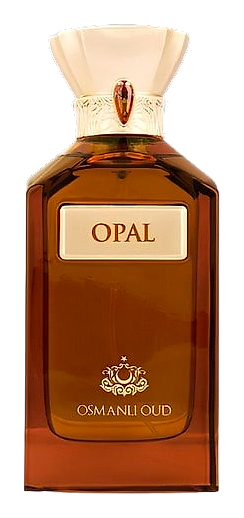
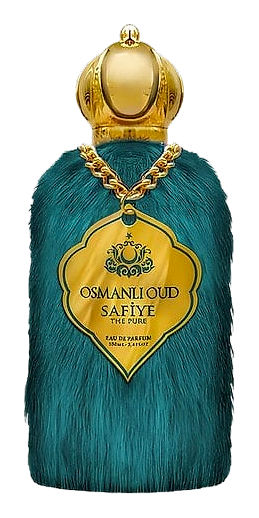
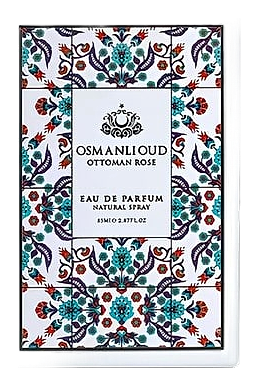
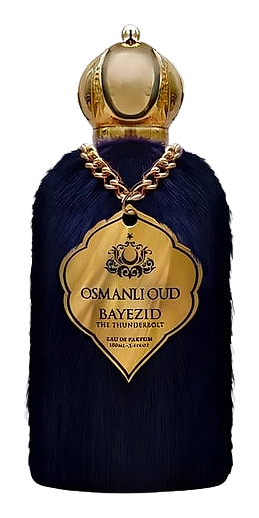
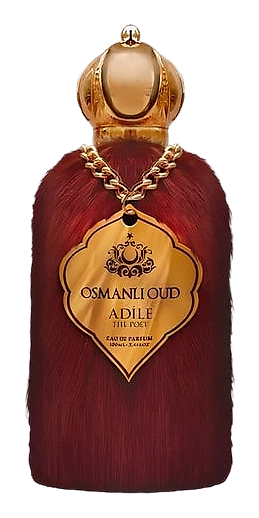
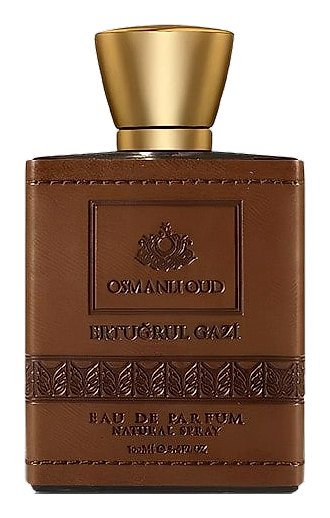
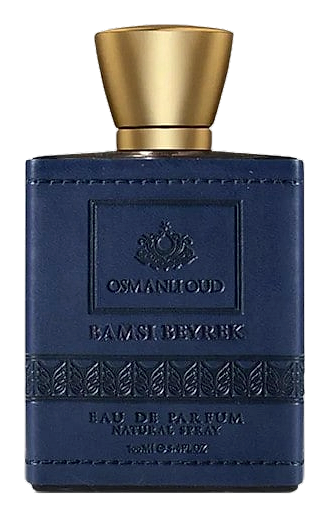
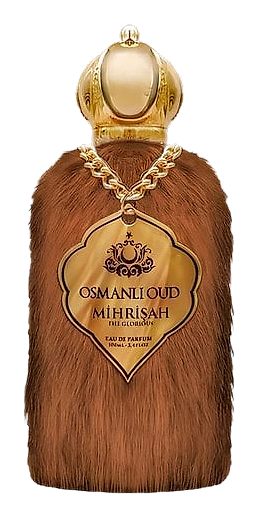
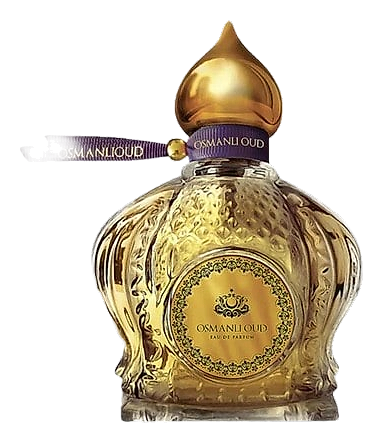
Çaka Bey sits inside Osmanli Oud's Lüks / Warrior collection, a line that names its bottles after figures from Ottoman and Turkish history. Çaka Bey joins other fragrance names in that range drawn from the same historical well, including Taht and II. Mehmed the Conqueror, each one pointing toward a different corner of the Ottoman story. The collection draws on sultans, warriors, and architecture for its imagery, pulling those references into bottle form. This fragrance is part of that narrative thread, a modern Eastern composition dressed in the posture of a historical figure. The naming choice places Çaka Bey inside a curated conversation about martial legacy, where each release takes its cues from a different personality or campaign.
The composition does something unexpected for a fragrance carrying such a heavy historical name. Black pepper, apple juice, frosted mint, and ginger lead the charge, with an ozonic middle that lifts the whole structure into something almost airy. The opening is bright, almost startling in its clarity, with each of those top notes cutting through cleanly before settling into conversation with each other. The rosemary in the base pulls it back to herbal ground, anchoring the lift with something green and slightly resinous.
The evolution
The first minutes are sharp, almost aggressive in their clarity. Black pepper and frosted mint arrive together, cooling and stinging at the same time, with apple juice sitting underneath like something sweet trying not to be. Ginger warms the edges, adding a flicker of heat that rounds out the chill. It's the loudest the fragrance will ever be, the moment where every top note announces itself without apology. After about 20 minutes, the ozonic accord takes over and the composition breathes out, the edges softening as the sharpness dissolves into something cleaner, almost like wind moving through an open window. Amber and tonka bean emerge from below, adding a golden warmth that wasn't there before, and the transition is subtle but definite, moving from cold to cool, from cool to warm.
Cultural impact
Çaka Bey carries a name rooted in Ottoman frontier heritage, evoking the bold commanders whose stories thread through Turkish memory. Osmanli Oud channels that heritage into a modern bottle, blending spice, fruit, and resin in a way that brings a layered character to the composition. The choice of tonka, black pepper, and amber grounds the fragrance in a register that feels connected to a regional palate, drawing on ingredients long associated with Anatolian and Ottoman perfumery traditions. There's a continuity here between the historical figure the bottle is named for and the materials used to interpret him.