
The Story
Why it exists.
The beginning
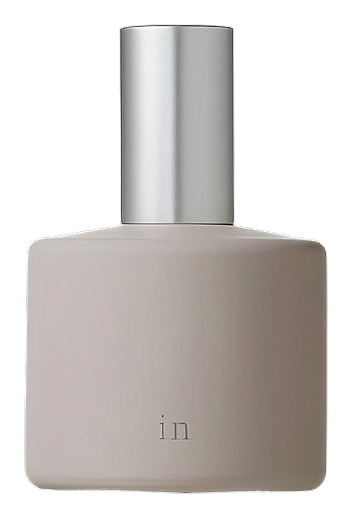
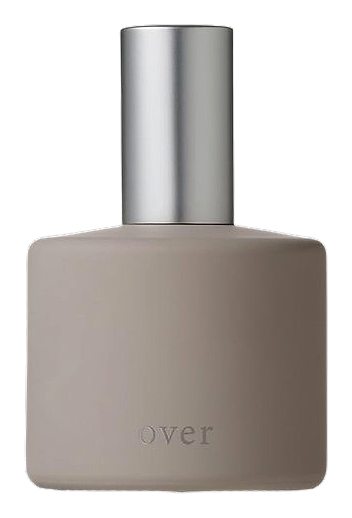
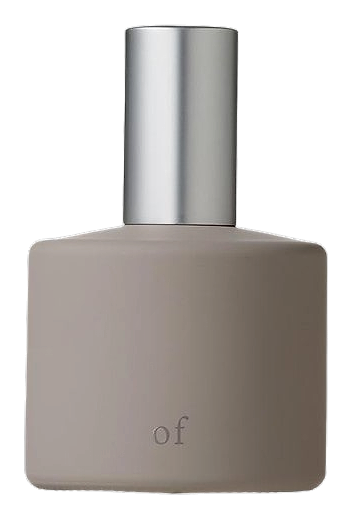
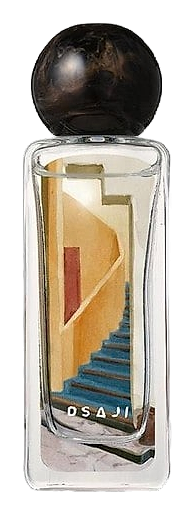
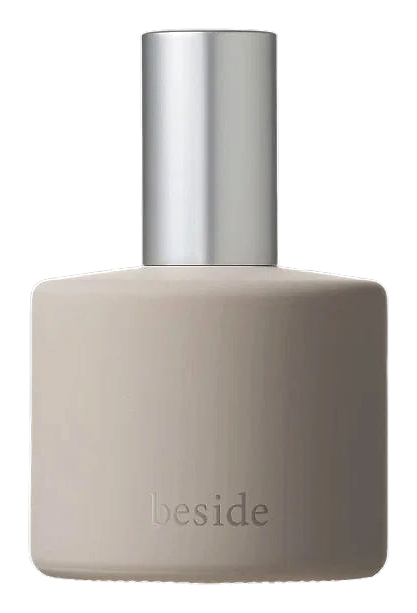
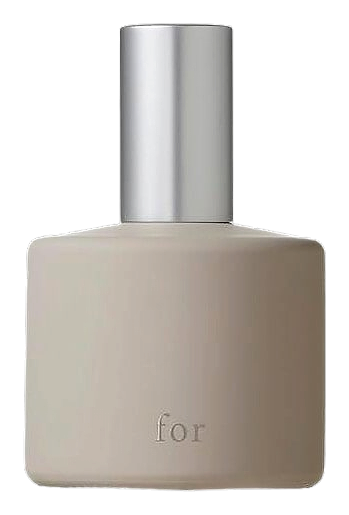
for (love for) belongs to a collection of prepositions, over, of, at, by, on, in, for, beside, each a fragment of language treated as a mood. "for" reads as devotion, or direction. Either way, the composition points the wearer at wood, and stays there. The fragrance centers on hinoki, the Japanese cypress prized for centuries in temple architecture and bathhouse tradition. The material arrives treated with reverence, given room to occupy the entire structure rather than serving as accent or support. What registers immediately is how cool the composition runs. There's no sweetness cushioning the opening, no gourmand warmth to soften the edges, no amber underneath to round things out.
What makes this composition distinctive is the decision to anchor it on a single Japanese material rather than crowd the pyramid with accents. Hinoki appears in both the top and the heart, a rare structural choice that creates continuity rather than contrast. The opening citrus and rosemary aren't a bright interlude before the woods arrive. They're the woods, seen through daylight. It's a composition that trusts its focal point enough to repeat it, the way a calligrapher might re-press the same stroke to deepen the ink rather than change the line.
The evolution
The first ten minutes belong to citrus and rosemary, but not in the way those notes usually behave in a men's cologne or a fresh aromatic. Bergamot and orange arrive without sweetness, almost mineral, cut by the sharp green of rosemary and the first thread of hinoki's resinous cold. There's no sweetness to anchor the opening. Just clarity. Around the 20-minute mark, the rosemary retreats and eucalyptus steps forward, bringing a camphor edge that reads more like a forest floor after rain than a medicine cabinet. The cypress joins, and for a while, maybe 30 to 45 minutes, the fragrance does the thing it's actually built to do. It smells like hinoki. Not as a note in a composition. As a place. The scent carries that specific quality of wood warmed by body heat, the kind of aroma that fills a small room without ever rising to the ceiling.
Cultural impact
for (love for) commits to hinoki, a material with centuries of specifically Japanese architectural and bathhouse tradition behind it. The material carries meaning before anyone sprays it. Hinoki is what lines the walls of public bathhouses, what structures the ceilings of shrines, what paneling fills the interiors of traditional wooden homes. It's a wood associated with cleanliness, with ritual washing, with spaces designed to slow the body down. By building an entire composition around that single material, Osaji makes a fragrance that speaks in a register many Western woody scents simply don't reach.