The Story
Why it exists.
The beginning
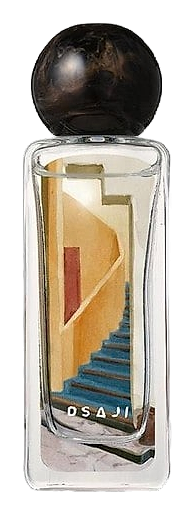
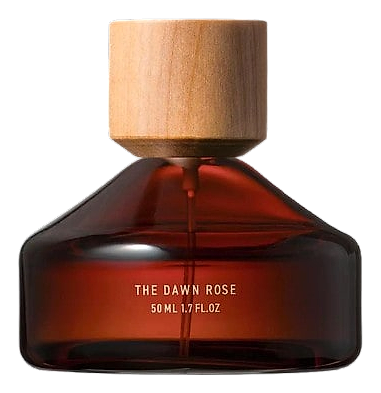
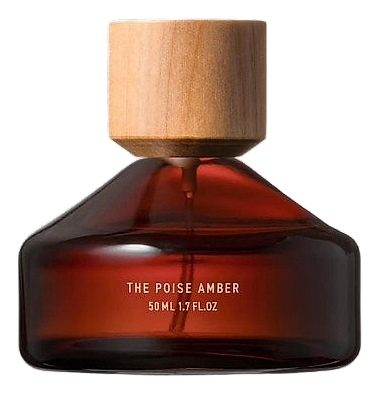
of (end of rain) arrived in 2025 as part of Osaji's expanding fragrance language, a house with roots in Japan since 2017. The name does what it says. The rain has just stopped. The composition is built around that exact second, the moment when the air still smells of water and everything underneath it, concrete, leaves, skin, starts to surface. There's a quiet clarity to the idea, an attempt to bottle a sensory threshold rather than a mood or a season. Grapefruit, ginger, rhubarb, rose, amber, vetiver. The notes aren't an abstract gesture. They're the smell of stepping outside right after the last drops fall. What makes the approach interesting is its literalness.
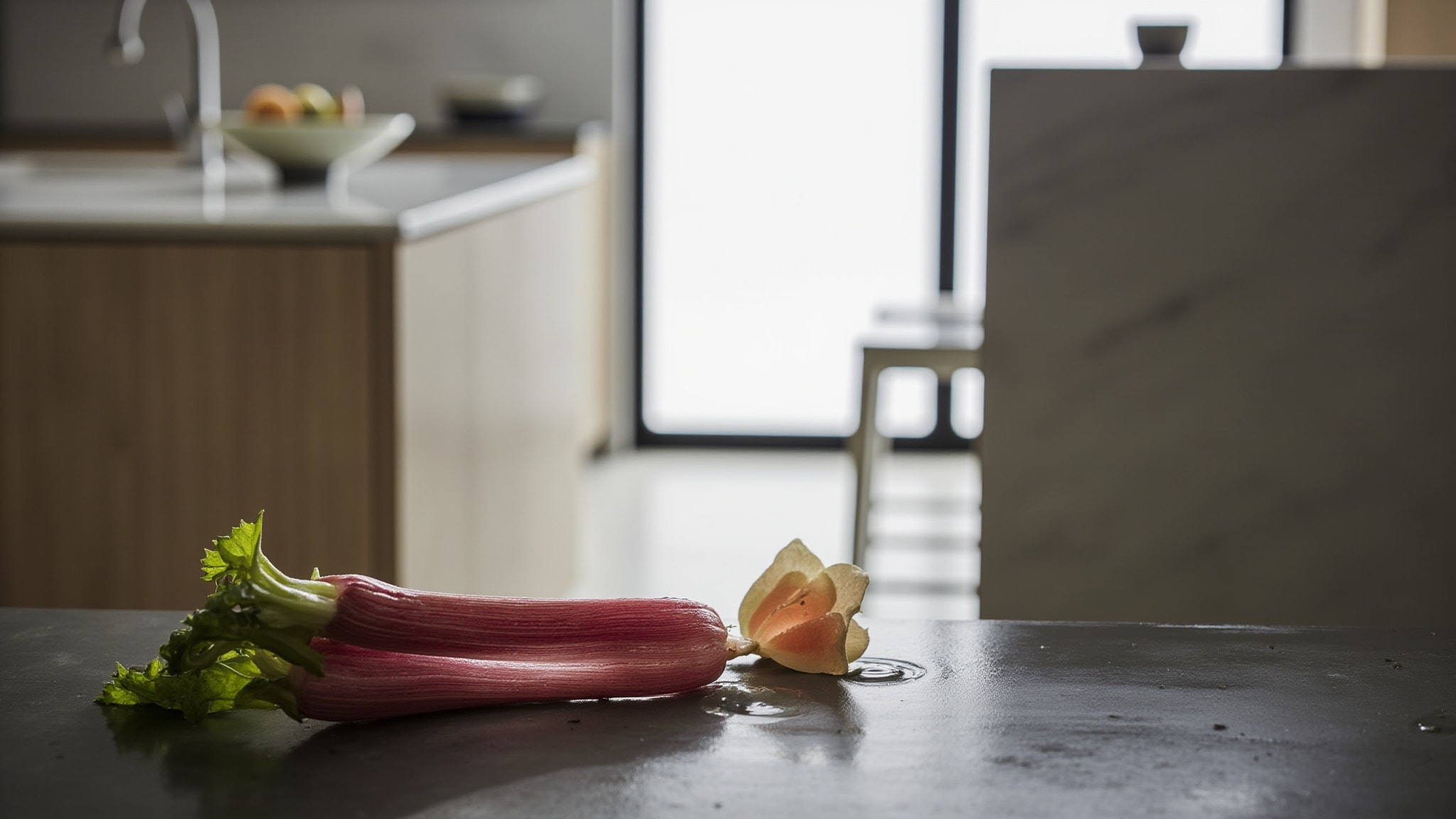
What's interesting here is the tension between citrus and earth. The grapefruit and ginger snap open, then rhubarb cuts in with its green tartness, a note that sits between fruit and vegetable in a way that feels closer to a garden than a lab. Rose and grapefruit blossom soften the middle without rounding it off, adding a floral whisper that keeps the rhubarb from becoming austere. There's no single dominant note at any stage. Instead, the ingredients take turns leading, each one setting up the next before stepping back. Then the base does the real work.
The evolution
The first minutes are all snap. Grapefruit hits bright and a little bitter, ginger warms behind it with a clean heat, and lemon sharpens the edges. It smells like biting into something cold and citrus on a warm day. The opening doesn't linger. It announces, then moves on. Soon after, the rhubarb arrives. Tart, green, slightly vegetal, it's the note that makes you pause. It feels less like a fragrance and more like something botanical pressed against your wrist. Grapefruit blossom and rose thread in alongside it, but they stay in the background, supporting the rhubarb's sharpness without competing. The rose adds a dewy softness that keeps the rhubarb from becoming sour, while the grapefruit blossom extends the citrus character downward, softening its edges before it fades. This is the most unexpected phase.
Cultural impact
of (end of rain) takes a familiar atmospheric concept, the moment after a storm, and treats it with unusual specificity. Rather than reaching for aquatic accords or synthetic petrichor, the composition works through contrast, layering bright citrus and green rhubarb against a base of vetiver and amber. The rhubarb-vetiver structure gives the scent a grounded quality that sets it apart from the brighter, more transient citrus releases in the same category.