The Story
Why it exists.
The beginning
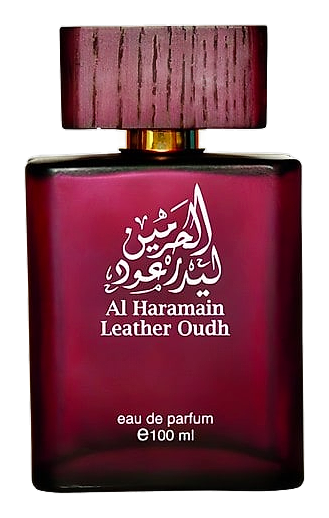
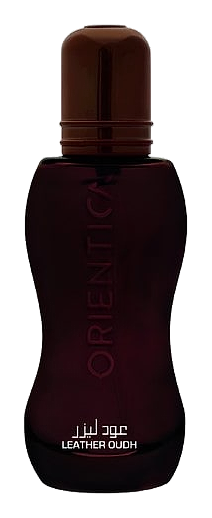
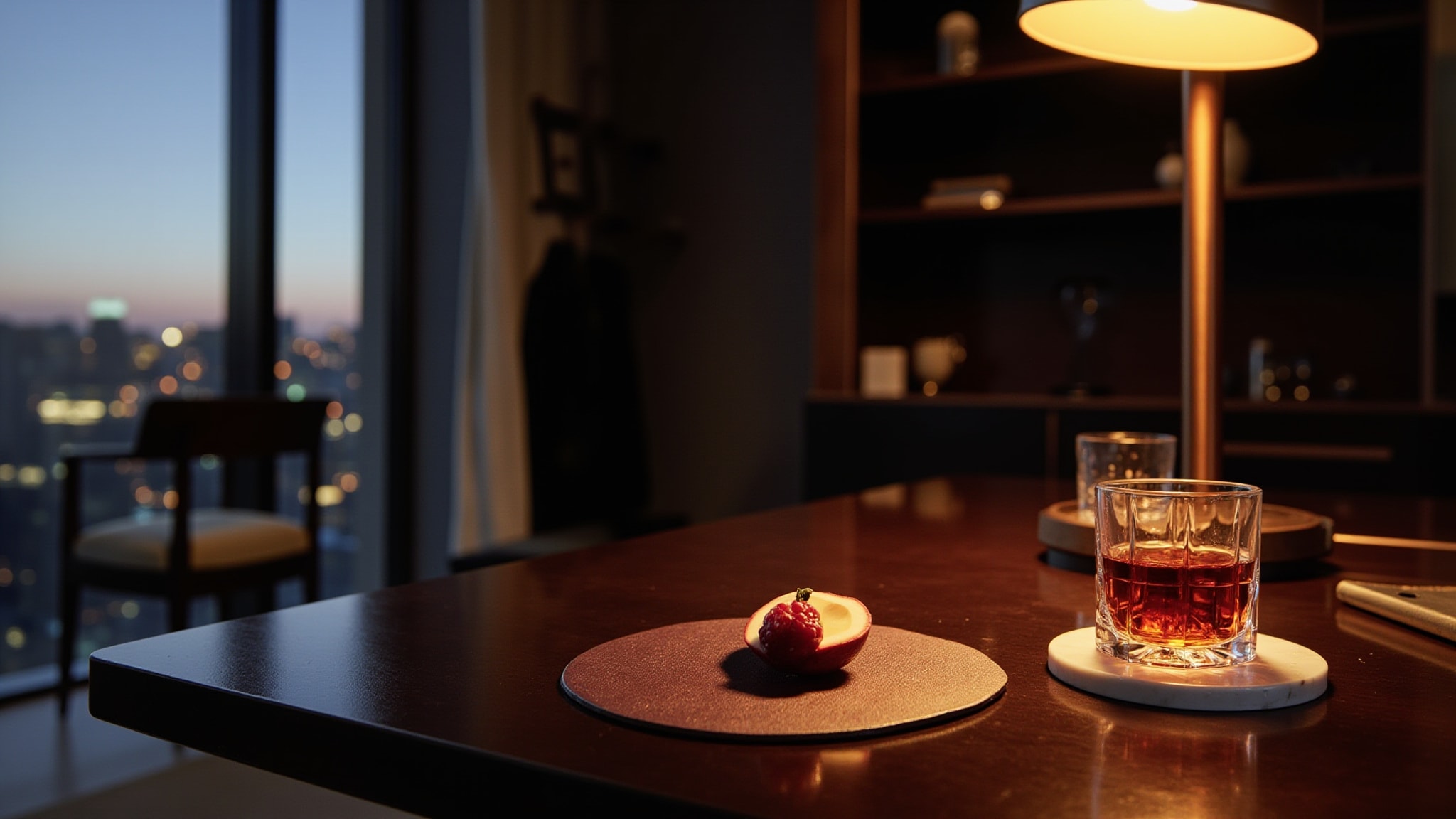
Leaher Oudh arrived in 2018, a release that put a leather-forward composition into a perfumery conversation already crowded with oud-centric work. The result reads as familiar Arabian warmth routed through something more Western in feel, and the parallels to Tuscan Leather and Ombré Leather show up in comparison threads across community forums. Early coverage leaned into the contrast between Gulf-rooted perfumery and a structure built around suede-soft leather rather than smoke, saffron, or birch tar. The raspberry note that sits at the heart of the composition is the detail that sets it apart, a sweetness that feels almost incongruent with the rugged base yet gets absorbed into it rather than fighting it.
What makes the structure interesting is the raspberry. Leather compositions typically lean smoky, dry, or animalic, and they earn their richness from tobacco, saffron, or birch. Here the sweetness comes from a fruit note that feels almost incongruent with the rugged base, then gets absorbed by it rather than fighting it. The bergamot up top is barely a whisper, just enough to suggest something has been cleaned before it was worn. The result reads polished, a leather that doesn't apologize for the vanilla sitting underneath it.
The evolution
The first twenty minutes feel almost confusing. Bergamot shows up polite and brief, raspberry lands sweet and slightly artificial, and you're wondering what all the fuss is about. Then the leather takes over, not the smoky-tanned-leather of a saddleshop but something softer, almost suede, warmed by vanilla until it smells less like a jacket and more like the inside of a car someone has been living in. Musk arrives and removes any sharpness, rounding out the composition into something that sits close to the skin. As the hours pass, the raspberry shifts from a distinct sweetness into a softer impression, less a note you can name and more a warmth that lingers in the leather. The drydown settles into a quiet, skin-close leather with the fruit now read as a memory rather than a presence, and the vanilla underneath keeps the whole thing feeling lived-in rather than sharp.
Cultural impact
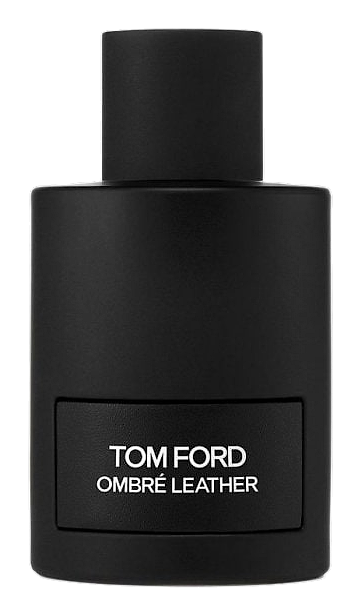
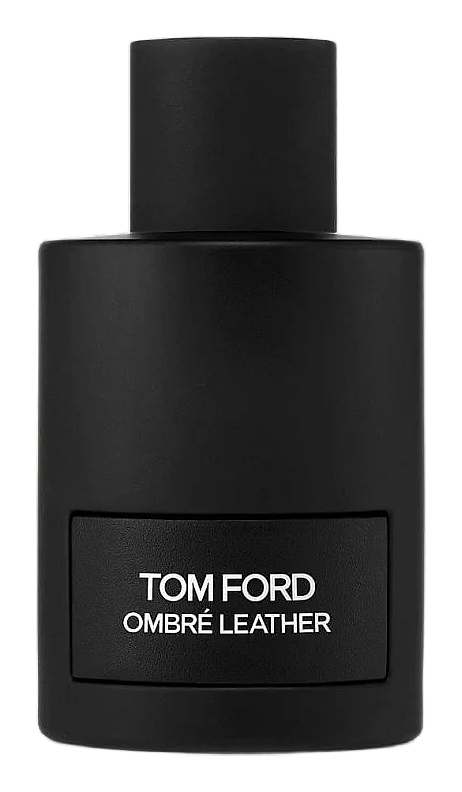
Leaher Oudh sits in an unusual space: Arabian perfumery heritage filtered through a Western leather-composition lens. Community wearers consistently compare it to Tom Ford's Tuscan Leather and Ombré Leather (2018), as well as Rasasi's La Yuqawam pour Homme, and the comparisons come up frequently enough that the fragrance has earned a recognized place in conversations about accessible leather-oud work. The raspberry note is the detail that gets cited most often, a fruit sweetness that some readers find jarring against the leather base and others describe as the reason the composition doesn't read like a typical oud release.