The Story
Why it exists.
The beginning
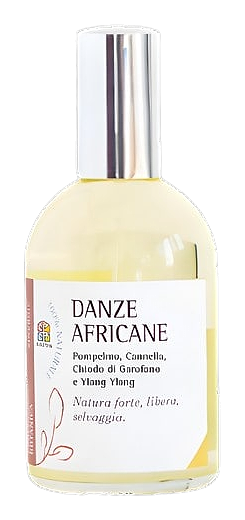
Danze Africane translates to African Dances, and the composition reads as a direct translation of movement into scent. Released as part of an Italian house's catalog of narrative-driven fragrances, it draws on ylang-ylang, grapefruit, frankincense, cloves, and cinnamon. The concept is uncomplicated: capture the energy of dance, that physical surrender when rhythm takes over the body. The name does the framing, and the notes do the work. The structure stays spare, a handful of materials each chosen for what it contributes to the overall impression rather than for any technical flourish.
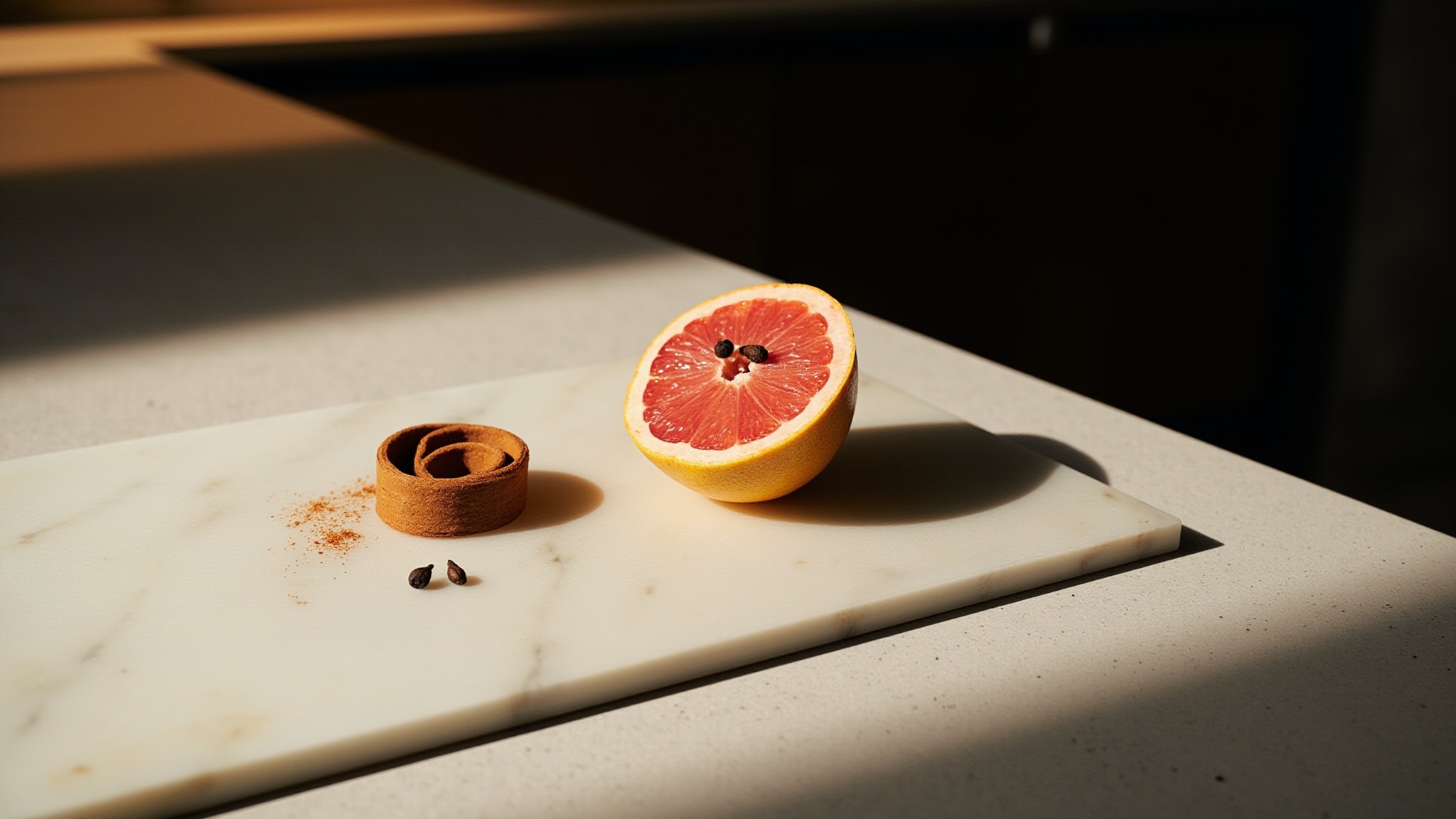
What makes this composition hold together is the restraint in its construction. The materials are few, and each one carries enough presence to support the whole structure without leaning on supporting accords to do the heavy lifting. Grapefruit provides brightness at the opening, a clean bitter citrus that registers immediately and reads with clarity. Ylang-ylang brings the floral depth, dense and tropical, almost overripe in the way the real flower smells when you bury your nose in it.
The evolution
The first ten minutes belong to grapefruit, clean and slightly bitter, the kind of citrus that cuts rather than sweetens. The grapefruit here isn't shy, it announces itself with that characteristic pithy snap, and on warm skin it reads almost like the fruit squeezed directly onto the wrist. Then ylang-ylang creeps in underneath, softening the edges and adding a dense floral sweetness that leans tropical. By the thirty-minute mark the spices have fully taken over. Cloves arrive first, with their sharp almost-numbing quality, that distinctive eugenol heat you recognize from clove oil in a kitchen. Cinnamon follows, warming everything from below and rounding out the spice with its sweeter, woody facet. The drydown is where this fragrance settles into its character, lasting for hours with a sillage that stays close rather than projecting widely.
Cultural impact
Danze Africane sits comfortably within the broader conversation about what Italian independent perfumery has been doing differently from the major designer houses. Where the big releases tend to chase projection and longevity through molecular reconstruction and amplified base notes, a fragrance like this one works with a small palette and trusts the materials to do the talking. It appeals to wearers who want warmth and character without the social performance of a room-filling scent, and it rewards the kind of close-quarters intimacy that defines personal fragrance at its best.