The Story
Why it exists.
The beginning
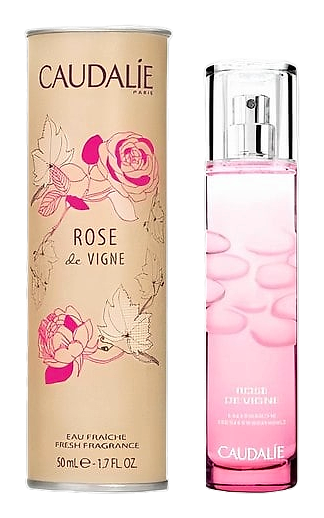
Rose de Vigne takes its name from the vine itself, the French vineyard heritage that underpins everything Caudalie does. In 2015, perfumer Ralf Schwieger composed this fragrance to capture something specific: the unique character of the vine's botanical spirit. The 'Rose de Vigne' evokes the flower that appears on the vine, a delicate presence that carries meaning for those who know the vineyard. Schwieger wanted to bottle that particular freshness, the kind that speaks to the natural elegance of the vines. It's a fragrance about refined beauty, about the grace that comes from the land. The composition opens with bright, translucent florals that feel crisp and immediate, like morning light through leaves.
What makes this composition unusual is the pairing of Grasse rose with blackcurrant. Blackcurrant typically adds depth or darkness, a richness that can tip into gourmand territory. Here, it does the opposite. The tart, almost sour quality of blackcurrant amplifies the freshness of the rose rather than sweetening it. It's as if someone added a squeeze of lemon to rose water. The result is a floral that reads clean without going aquatic, fresh without going sharp. White musk and amber in the base don't announce themselves, they extend the brightness, keeping the drydown close to skin rather than letting it bloom outward.
The evolution
The opening hits with bright rose, fresh, clean, with a slight green edge from the stem. Thirty minutes in, the blackcurrant arrives and shifts the character toward something juicier, almost tart. The rose doesn't disappear; it just loses its singular dominance. Magnolia appears in the heart, adding a creamy floral note that softens what came before. By hour two, the composition settles into its base, white musk and amber working together to keep things intimate. The sillage stays moderate throughout; this isn't a fragrance that announces itself across a room. The morning-after scent is faint, a whisper of rose and clean musk on warm skin. Throughout its wear, the fragrance maintains its composure, never turning heavy or cloying. The transition from top to heart to base feels seamless, with each layer gently giving way to the next rather than making abrupt shifts.
Cultural impact
Rose de Vigne sits in a specific corner of the market: the fresh, everyday floral for women who want sophistication without weight. It occupies territory where wearability takes priority over impact, appealing to those who prefer subtlety over statement. The fragrance performs consistently across seasons, though it reads as most natural in spring and summer, during daylight hours, in workplace or casual contexts. It's never a statement fragrance, more like a quiet confidence. The fresh floral character makes it versatile enough for daily wear, while its refined composition elevates it beyond basic.