The Story
Why it exists.
The beginning
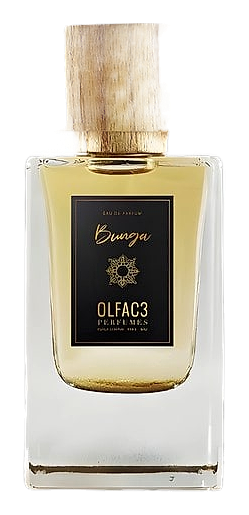
Bunga. The word means flower in Malay, and Aien Mokhtar named it like a love letter to the tropics he grew up in. Released in 2017, it was part of OLFAC3's first wave of compositions. Bunga leans hard into that idea. It is memory of a garden, or the fantasy of one, bottled for anyone who has ever stepped outside in Southeast Asia and felt the air thicken with petals and heat. The composition reads like a bouquet built in layers rather than tossed together. Eight heart notes stack white and green florals over a base of sandalwood, amber, vanilla, and musk. That's deliberate abundance, not indecision. Mokhtar built Bunga to be a garden in full bloom, not a single stem on a table.
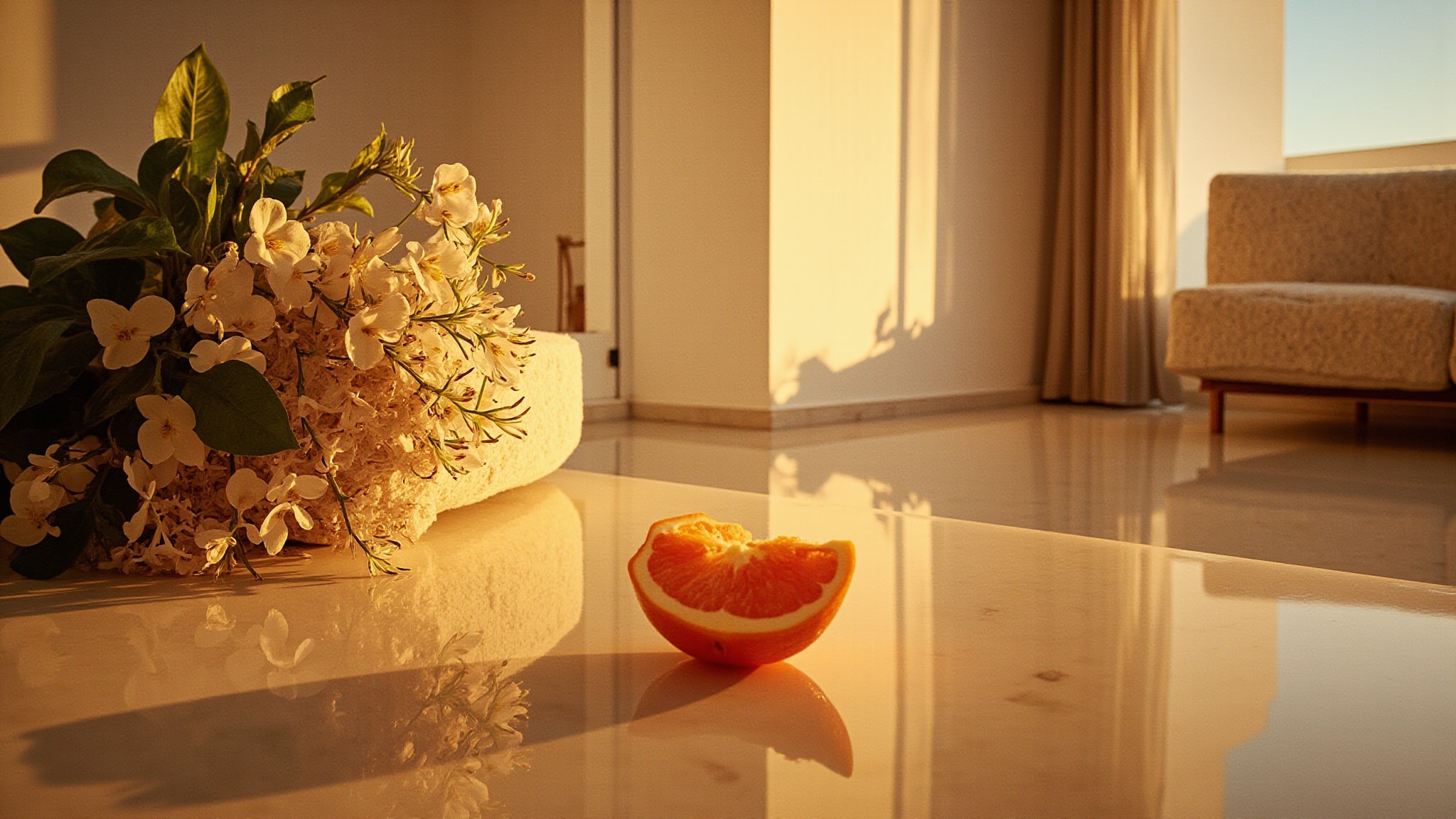
What makes the structure interesting is the sheer density of the heart. Most florals of this scale pick two or three white flowers and let them breathe. Bunga stacks jasmine, lily of the valley, violet, freesia, orange blossom, honeysuckle, plus pear and blackcurrant for a green-fruity lift. That crowding is the point. The opening mandarin and the blackcurrant cut enough space to keep the florals from collapsing into a single sweet mass, while pear adds a cool dewy edge that reads like crushed petals still holding morning water.
The evolution
The first 15 minutes belong to mandarin. Bright, almost effervescent, with a green sharpness that reads as crushed leaves rather than citrus candy. Underneath, the blackcurrant and pear are already threading through, keeping the opening from going simple. The mandarin is the front door, not the whole house. By the 30-minute mark the white florals start showing up in force. Jasmine arrives first, then lily of the valley and freesia bring that clean, soapy, almost laundry-fresh quality. Orange blossom and honeysuckle sweeten the edges without tipping into syrup. The pear and blackcurrant are still there, holding the fruit line underneath. This is the heart, and it lasts for hours. The accord stays dense and creamy, shifting between which flower leads, but never thinning out. The transition to drydown is gradual. Sandalwood is the first base note to surface, adding a soft creamy woodiness that wraps around the remaining florals like a warm hand. Amber and vanilla warm it further, and the musk settles everything into skin.
Cultural impact
Bunga sits within OLFAC3's first wave of releases from 2017. Its name means flower in Malay, and that sense of abundance is built directly into the composition. Rather than relying on a single floral gesture, the fragrance brings together eight heart notes, creating a bouquet-like center with green, white, and fruity dimensions. For wearers, it offers a white floral that doesn't need cool weather to make sense, a garden that works in humidity. The opening mandarin adds brightness, while pear and blackcurrant introduce a fresh fruitiness that keeps the floral heart from becoming one continuous sweetness.
The House
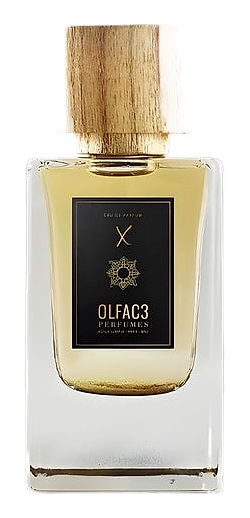
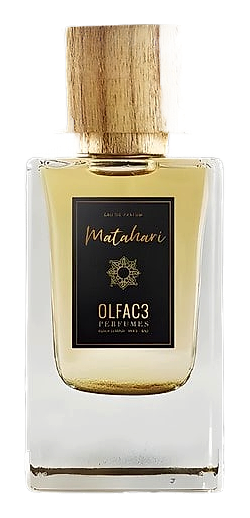
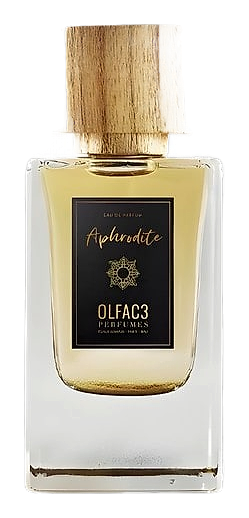
OLFAC3OLFAC3 is an independent Malaysian perfumery house founded by Aien Mokhtar in 2016. The name combines “olfactory” with the number three, reflecting the founder’s interest in the emotional and mnemonic force of scent. Working from Malaysia, Mokhtar creates fragrances including Matahari, Borneo, Bunga, Aphrodite and X, several of which were released in 2017 and 2018. His approach connects perfume with memory, travel and personal experience, extending the language of scent beyond decoration and ornament into something closely tied to place and feeling.
The Creator
Aien MokhtarMokhtar's compositions lean into the layered, the memory-driven, and the culturally rooted. She draws heavily on Southeast Asian and Mediterranean references, informed by years of source trips and material study.