The Story
Why it exists.
The beginning
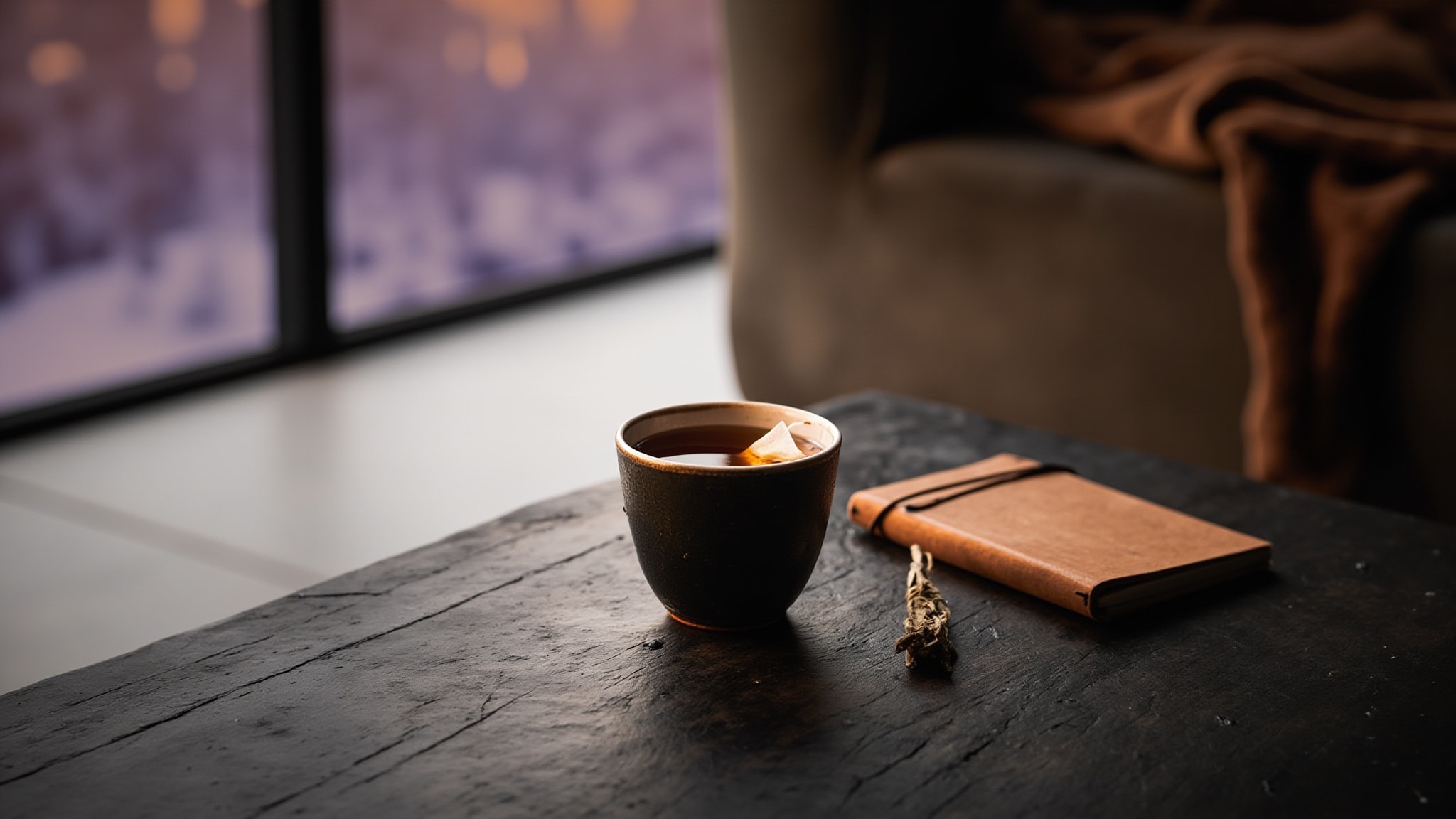
Andrey Chibisov composed Hot Tea as part of his work with Odetu, a house whose catalog stretches across an unusually wide terrain. The name is literal. Not iced, not floral, not the polite bergamot-and-cucumber sort of tea. Hot. The kind brewed in a stovetop pot, served dark and unfiltered, with everything the leaf brings when it's left alone long enough. Chibisov pulled that vision into a composition built around black tea, clove, and saffron at the top, with oakmoss, immortelle, and hay grounding the base. It's a warm-spicy sketch rather than a single-ingredient reading, the kind of fragrance that occupies a specific slot in a range and commits to it.
The interesting choice is how Chibisov steers the composition away from the obvious. Black tea as a note can either read clean and brisk or slide into something murky and smoked. Here it gets anchored by oakmoss, immortelle, and hay, materials that pull the tea downward into something weightier and earthier than most tea-themed fragrances attempt. Clove and saffron at the top do their own work, giving the opening a spiced, almost medicinal warmth that reads immediately as tea but with edges. That tension, a steeped leaf gesture held in a dry, herbal frame, is what defines Hot Tea.
The evolution
The opening is all clove and saffron, a spiced heat that announces itself without shouting. Clove brings the sharper, almost numbing warmth, while saffron threads underneath with a leathery, slightly bitter gold that keeps the spice from tipping into something food-like. Then black tea takes over the middle, and it doesn't arrive light. It comes steeped dark, carrying tannin and a dry bitterness that reads less like a beverage and more like the moment a tea bag has been left too long. Immortelle enters quietly, adding a maple-curry sweetness that's barely there but enough to round the edges. As the hours pass, oakmoss deepens everything, pulling the composition toward something mossy and forest-floor adjacent, while hay adds a dry, sun-warmed graininess that keeps the base from going too dark.
Cultural impact
Hot Tea wears like an autumn scent for someone who skipped the pumpkin-spice phase. The oakmoss and immortelle in the base pull it away from the lighter, more fleeting tea fragrances and toward something with more backbone and staying power. There's a presence to it that comes from the spiced opening and the mossy drydown, a sense that the fragrance is built to be noticed without needing to fill a room. The black tea note at the center gives it a familiarity, while the clove, saffron, and hay keep it from reading as anything obvious.