
The Story
Why it exists.
The beginning
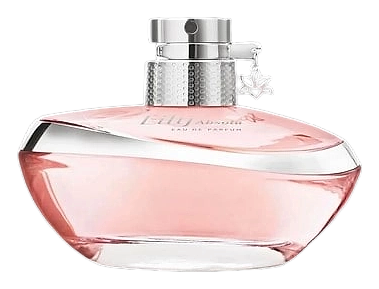
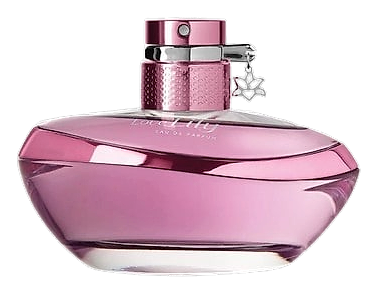
Love Lily arrived in 2018, composed by Olivier Cresp and Harry Fremont, two perfumers who approached the brief with opposite instincts. Cresp, Brazilian by way of Grasse, brought something playful and sun-drenched. Fremont brought classical structure. Together they built around a single idea: the lily as a protagonist, not a supporting actor. Peony and rose amplify it. The warm base keeps it close to skin rather than projecting outward. That's the deliberate choice, presence without announcement.
What makes the structure interesting is how it handles contrast. The top is all citrus brightness, bergamot, neroli, a clean freesia, but the heart is powdery, lush, almost confectionary. Lily carries weight here. It doesn't float. The base of vanilla, sandalwood, and musk then pulls everything back toward warmth and skin-warmth rather than letting it stay in the air. It's a fragrance that knows when to stop projecting and start lingering. The name isn't accidental: this is love, not lust. Quiet attachment over loud entrance.
The evolution
The opening lasts maybe fifteen minutes. Bergamot, neroli, a brief freesia, clean and bright, like citrus rind scraped across warm stone. Then the handoff. Freesia retreats first. Neroli softens. What fills the space is peony and rose, with lily pushing through the middle like a bloom you didn't see coming. Dense, a little powdery, unmistakably floral. By the second hour the florals begin to settle and the base arrives: vanilla first, then sandalwood, then a warm amberwood-musket accord that reads as skin rather than perfume. Four to six hours on most. It doesn't announce itself after the first hour. But you catch it when you move, when you raise your wrist, when the day cools. That's when it earns what it promised.
Cultural impact
O Boticário, Brazil's largest cosmetics conglomerate, has shaped fragrance culture across Latin America since 1977, when chemist Miguel Krigsner opened the first store in Curitiba. The brand democratized perfume by making quality fragrances affordable for the Brazilian middle class, building a distribution network spanning thousands of stores nationwide. Love Lily entered this lineage in 2018, joining a portfolio that includes the iconic Floratta line and the maleness-coded Quasar franchise. Within Brazilian fragrance culture, O Boticário occupies a unique position as both accessible mass-market and legitimate perfumery, with international perfumers like Olivier Cresp regularly contributing to its collections.