The Story
Why it exists.
The beginning
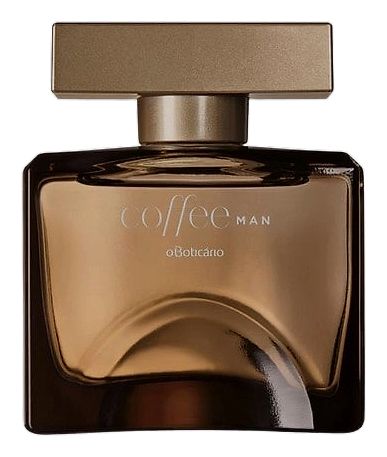
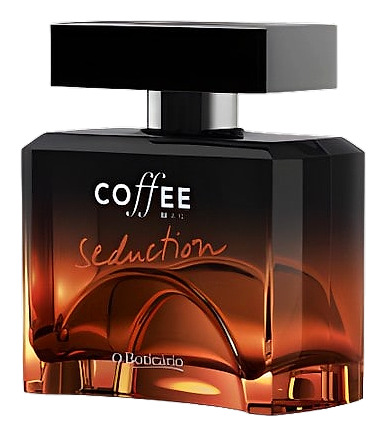
O Boticário released Coffee Man Seduction in 2011, timed for Valentine's Day. The brand paired it with a female counterpart, Coffee Woman Seduction, as a limited edition offering. The idea was straightforward: coffee as seduction tool. Not metaphorically, literally. The composition centers on an exclusive Arabic coffee extract, a deliberate choice to anchor the fragrance in something specific rather than the generic coffee note found in mass-market fragrances. The masculine naming and the dark amber bottle were meant to communicate confidence without swagger.
What makes this composition work is how it layers the coffee. Most fragrances treat coffee as a supporting note, an accent. Here, the coffee opens and stays. It doesn't compete with the vanilla so much as orbit it. The nutmeg and blackcurrant give it a sharp, fruity brightness in the opening that keeps the gourmand elements from becoming cloying. On paper, it's a winter fragrance. In practice, the mandarin and lily of the valley give it enough air to work in spring evenings when the temperature still drops after sunset.
The evolution
The opening arrives confident, nutmeg and mandarin punch through, with blackcurrant lending a tart, almost wine-like quality. The bergamot is there but subtle, more of a stage setter than a star. For the first twenty minutes, this reads as a spiced fruit composition. Then the coffee arrives. Not roasted coffee, something creamier, closer to a cold brew cut with vanilla. The jasmine and lily of the valley emerge quietly, adding a white floral softness that rounds the edges. By the second hour, the drydown settles into vanilla, sugar, and patchouli. The coffee doesn't disappear, it deepens, becoming a warm murmur underneath the sweetness. The amber and musk hold the base together. On fabric, this lasts a full workday. On skin, closer to five or six hours before it fades to a skin-close sweetness.
Cultural impact
Coffee Man Seduction sits in a specific niche: gourmand fragrances for men who don't want to smell like dessert. The 2011 launch date places it in the early wave of mass-market coffee fragrances, before the trend became saturated. It's been in continuous production since launch, unusual for a limited edition concept. In Brazil, where O Boticário dominates the mass-market tier, this fragrance remains a reference point for men entering the fragrance world: sweet enough to be approachable, structured enough to be taken seriously.