The Story
Why it exists.
The beginning
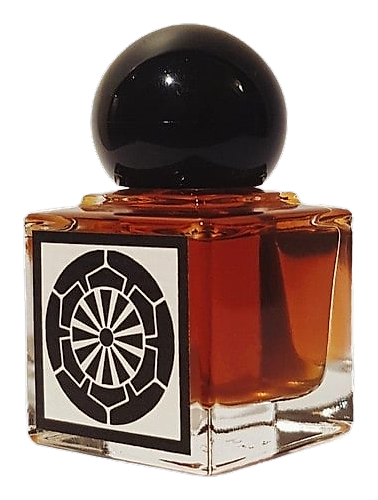
Ashka takes its name from the residue left behind. The carbon, the mineral trace, what the flame consumes and what it leaves. Perfumer Johanna Venables built this composition around that aftermath rather than the fire itself, working with materials that capture the pause between destruction and renewal. The name suggests finality, but the fragrance suggests something else entirely: the smell of something that's still happening, just quieter now.
What makes Ashka unusual is the structural honesty. Gunpowder opens sharp and true, without the fruity or floral window dressing that most smoky fragrances hide behind. The guaiac wood and cubeb give it an aromatic, slightly medicinal quality that keeps it from becoming one-note. Then the heart opens: tobacco's natural sweetness against frankincense's resinous depth. Cypriol and galbanum add green, earthy undertones that prevent the whole thing from tipping into darkness. The base is where it earns its name: ash and birch tar, a drydown that smells like embers after rain. Oud threads through as a foundation, but it doesn't dominate. It's the scaffolding, not the structure.
The evolution
The opening is all signal fire. Gunpowder cuts clean and bright, the cubeb pepper sparks against it, and for about twenty minutes the composition reads sharp, almost astringent. Then the warmth arrives. Guaiac wood softens the edges, tobacco emerges as a slow exhale, and the galbanum adds a green complexity that feels almost herbal. By the second hour, the frankincense has settled into the skin, resinous and dry, blending with the birch tar into something that smells like cold ash, not hot smoke. The drydown is where Ashka earns its name. Eight to ten hours in, on most skin, the smoky accord has mellowed into a warm, almost sweet woodiness. The oud appears here, soft and non-animalic. The ash lingers as a mineral trace. On fabric, this fragrance lasts for days. On skin, plan accordingly, the sillage is moderate, the longevity is not.
Cultural impact
Ashka emerged in 2018 when the smoky fragrance category was experiencing a renaissance, driven by demand for bolder, more characterful scents from indie houses. Its confrontational name and mineral-forward approach reflected a broader shift in niche perfumery toward honesty and complexity over conventional appeal. The gunpowder-guaiac combination placed it within a lineage that includes Beaufort London's incendiary creations and Slumberhouse's dense concentrations, but Ashka carved its own path through restraint rather than excess. As part of NOT Perfumes' debut collection, it established the brand's identity as one that prioritizes structure and mineral honesty over sweetness or easy wearability.
The House
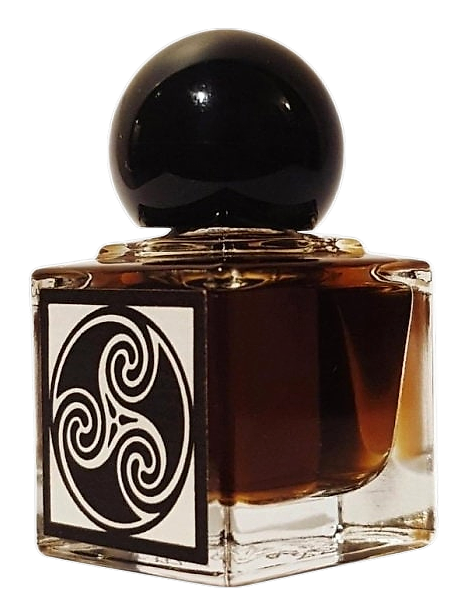
NOT perfumesNOT Perfumes emerged in 2018 with a deliberately provocative name and a commitment to challenging fragrance conventions. The brand takes its unconventional approach from the get-go, refusing to play by traditional industry rules. Rather than relying on elaborate marketing language, NOT Perfumes focuses on pure sensory experience, creating scents that give form to formless sensations and articulate what often goes unspoken. Their no-nonsense philosophy strips away pretense, allowing the fragrances themselves to communicate directly with wearers. The five debut offerings (Ashka, Vaan, Nadir, Svaha, and Orm) arrived simultaneously in 2018, presenting a cohesive collection that rejects the typical staggered release strategy favored by most fragrance houses. This approach signals a brand confident in its vision from the outset, presenting a complete artistic statement rather than incremental launches designed to build hype over time.
The Creator
Johanna VenablesVenables works in materials that pull at something primal. Her compositions favor depth and darkness, resinous smoke curling through labdanum, leather softened by vanilla warmth, clove and eugenol lending sharp intellectual edge to sweeter bases.